Long Island, NY · Nassau and Suffolk counties
Crawlspace Cleaning & Sanitation in Long Island, NYCrawlspace Vapor Barrier Installation & Crawlspace Dehumidifier Installation
Your Long Island home needs Crawlspace Cleaning & Sanitation covering crawlspace pest waste cleanup, crawlspace mold removal, and crawlspace vapor barrier installation.
Answered 24/7
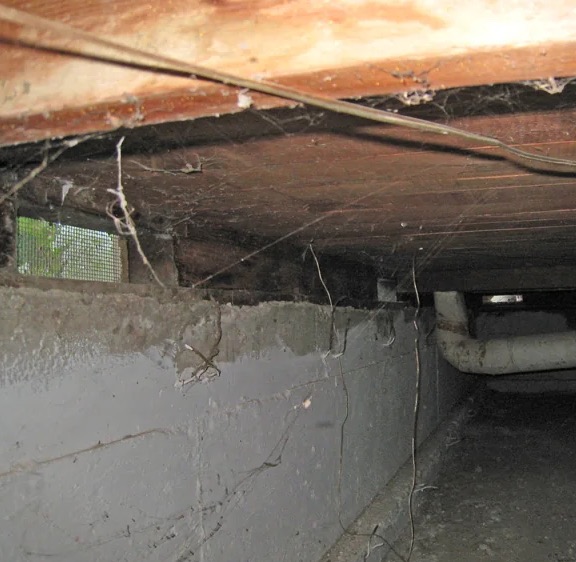
Crawlspace Cleaning & Sanitation Solutions in Long Island
Crawlspace issues in Long Island such as mold, debris, and odors not only damage property but can also trigger respiratory problems and allergies for occupants. Moisture accumulation weakens foundational supports over time.
Crawlspace issues in Long Island and surrounding locations like Ronkonkoma, Central Islip and Oakdale can lead to musty smells and poor air quality if not addressed. Local crawlspace restoration pros specialize in crawlspace water damage cleanup, standing water removal, and encapsulation services.
Detailed Crawlspace Cleaning & Sanitation Methods
Crawlspace Vapor Barrier Installation
A professional vapor barrier stops ground moisture from raising humidity. This layer prevents condensation on joists and insulation. Coverage includes piers and utility penetrations.
Crawlspace Dehumidifier Installation
The pros install purpose-built dehumidifiers for low humidity levels. Crawlspace dehumidifiers pull water from the air. The correct capacity is selected and proper drainage is integrated.
Crawlspace Pest Waste Cleanup
The pros safely remove pest droppings, nests and carcasses. This waste poses health risks through airborne pathogens. Protective gear and HEPA filtration contain contaminated material during cleanup.
Crawlspace Debris Cleanup
Crawlspace debris cleanup in Long Island removes old insulation, wood scraps and construction waste. These items trap moisture and attract pests. The pros clear the space, preparing it for further sanitation steps.
Crawlspace Encapsulation Services
The pros check whether encapsulation fits. It combines vapor barriers, sealed walls and dehumidification. It creates conditioned environments that control humidity and improve air quality.
Warning Signs You Need Crawlspace Cleaning & Sanitation
Condensation on HVAC Ductwork
Water dripping from air ducts in the crawlspace signals a serious need for dehumidifier installation.
Insect Infestations or Activity
Frequent spiders, silverfish, or termites often find harborage in cluttered, humid crawlspaces needing cleaning.
Pest Droppings or Debris Buildup
Rodent waste, nests or debris under your home need cleanup before they spread odors and disease.
Cold Floors in Winter
Very cold floors above the crawlspace can mean missing insulation or a missing vapor barrier.
How Crawlspace Cleaning & Sanitation Works in Long Island
Step 1: Crawlspace Assessment and Inspection
The experts begin with a visual and instrumental inspection to map moisture, debris, mold, and pest issues.
Step 2: Debris Removal and Waste Extraction
All organic waste, old insulation, and pest debris are safely removed, clearing the space for the subsequent crawlspace cleaning process.
Step 3: Mold Remediation and Surface Sanitation
Antimicrobials are applied to wood and soil surfaces to treat mold and remaining spores.
Step 4: Vapor Barrier Installation and Sealing
A new, robust vapor barrier is installed and sealed at walls and piers, completing the core crawlspace encapsulation service for moisture control.
Causes of Crawlspace Moisture and Contamination
Insufficient Crawlspace Ventilation
Blocked or insufficient vents trap humid air, creating ideal conditions for mold growth and musty smells.
Groundwater Seepage and Flooding
Saturated soil or minor flooding keeps the crawlspace damp long after the rain stops.
Inadequate or Damaged Vapor Barrier
A torn, missing, or poorly installed vapor barrier allows soil moisture to evaporate into the space.
HVAC System Imbalance and Duct Leaks
Leaky return ducts can depressurize a crawlspace, drawing in moist outside air through cracks.
Crawlspace Cleaning & Sanitation for All Property Types in Long Island
Residential Crawlspace Cleaning & Sanitation
The experts implement dehumidifier installation and encapsulation services to create a dry, sealed space that improves comfort and efficiency.
Commercial Crawlspace Cleaning & Sanitation
Building managers must control humidity to protect stored inventory and sensitive equipment. Commercial crawlspace odor elimination and mold remediation prevent corrosion and product spoilage in warehouses and storage facilities.
Crawlspace Cleaning & Sanitation vs. DIY: When to Call Crawlspace Restoration Pros
Residents can wear a mask and gloves to bag and dispose of non-hazardous debris like leaves or old insulation they can reach. For handling moldy materials, rodent droppings, or extensive debris cleanup, call the pros with proper containment and disposal protocols.
What Affects Crawlspace Cleaning & Sanitation Expenses
Expenses are shaped by water damage cleanup extent and moisture control. Removing standing water is a first step. Addressing resulting mold and installing encapsulation adds layers. Vapor barrier size and dehumidifier needs are also factored.
Vapor Barrier Installation
The quality and thickness of the moisture barrier, along with the preparation of the subfloor, influence the material and labor costs for this service.
Severity of Contamination
Heavy mold growth, extensive pest waste, or deep-seated odors require more intensive remediation steps than light debris, affecting the project scope and cost.
Type of Remediation Needed
Basic debris cleanup costs less than full encapsulation or mold removal, which need more materials.
Does Insurance Cover Crawlspace Cleaning & Sanitation?
Coverage for crawlspace cleaning & sanitation in Long Island depends on the policy and damage cause. A sudden, covered peril like a burst pipe may include water removal. Gradual humidity or neglect is typically excluded. The pros document damage to support a claim.
The Value of Expert Crawlspace Cleaning & Sanitation in Long Island
Focused Pest Waste Cleanup
Specialized cleaning and disinfection of areas contaminated by rodent or insect droppings are handled with appropriate safety protocols to address health hazards.
Detailed Damage Documentation
For insurance purposes, pros photograph damage and record moisture readings, creating a clear record of conditions before and after remediation.
24/7 Emergency Response
Crawlspace water intrusion or severe contamination requires immediate attention to prevent further damage; the experts are available around the clock for urgent situations.
Urgent Crawlspace Cleaning & Sanitation Response in Long Island
Discovering extensive pest waste or debris blocking ventilation in your crawlspace poses health risks and requires professional cleanup. Call (516) 475-5895 for 24/7 service.
Call Now (516) 475-5895Crawlspace Cleaning & Sanitation Throughout the Long Island Region
Effective crawlspace pest waste cleanup and sanitation protect homes in Long Island and the surrounding region including Ronkonkoma, Central Islip and Oakdale.
Crawlspace Cleaning & Sanitation FAQs
Why consider crawlspace dehumidification alongside cleaning?
Cleaning removes current contaminants, but dehumidification addresses the high humidity that causes them. Combining both tackles the problem completely for a lasting, dry, and clean result.
Can crawlspace mold remediation eliminate musty smells?
Yes, proper mold removal addresses the source of odors. Combined with cleaning and air scrubbing, it effectively neutralizes persistent musty smells from the crawlspace.
How long does crawlspace vapor barrier installation take?
Installation time varies with size and preparation needed, but for a standard home, the pros can typically complete the sealing and anchoring of a quality barrier within a day.
After crawlspace water damage cleanup, what's next?
Following water extraction, the focus shifts to structural drying with air movers and dehumidifiers, then inspection for mold, and finally, sanitation and often recommendations for moisture prevention.
How often should a crawlspace be inspected and cleaned?
An annual visual inspection for moisture, pests, and debris is wise. Professional cleaning or remediation is needed when contamination, odors, or visible mold are discovered.