Long Island, NY · Nassau and Suffolk counties
Emergency Water Extraction in Long Island, NYStanding Water Pump Out & Flooded Garage Water Extraction
Emergency Water Extraction in Long Island covers standing water pump out, carpet water extraction service and hardwood floor water extraction.
Answered 24/7
Local Emergency Water Extraction in Long Island
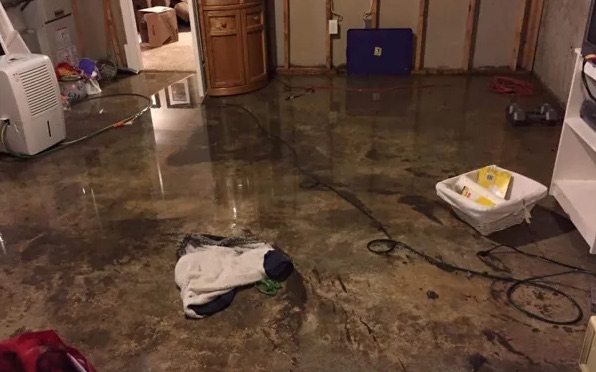
Water on the floor keeps moving. Within hours it soaks into carpet pad, wicks up drywall and runs under cabinets, so in Long Island the first job is to get it out.
From Long Island to Ronkonkoma, Central Islip and Oakdale, the same steps apply to every flood: stop the source, remove the water, dry the structure and keep records for the insurer.
Emergency Water Removal Services in Long Island
Standing Water Pump Out
Pumping out standing water stops it from wicking up drywall and into cabinets, which keeps the damage from growing while the rest of the cleanup is planned.
Flooded Garage Water Extraction
A water heater or washer in the garage can flood it fast. The pros remove the water, move stored items to dry ground and dry the walls.
Crawl Space Water Removal
Crawl space water from a broken pipe or heavy rain is removed with pumps, then air movers and a dehumidifier dry the joists and subfloor.
Appliance Leak Water Cleanup
Water from an appliance leak often runs under cabinets and into the wall behind. Moisture readings find where it went so those areas get dried too.
Emergency Flood Water Removal
Flood water removal includes getting mud and debris off floors, so drying equipment works on clean surfaces and does not spread dirt through the house.
Signs of a Serious Water Problem in Long Island
Carpet That Squishes Underfoot
Carpet that squishes or feels wet means the pad is soaked. A shop vacuum will not reach the water held below.
Water Coming Through the Ceiling
Drips, stains or a sagging ceiling mean water from above. Stay out from under it and turn off nearby lights.
Water in the Basement After Rain
Water on the basement floor after a storm points to a failed sump or water coming through walls or the slab.
Sewage Coming Up From Drains
Wastewater rising from floor drains, tubs or toilets is a health hazard and needs professional cleanup.
How Emergency Water Extraction Works in Long Island
Step 1: Inspecting the Damage
The pros check the type of water, how long it has been there and which rooms and materials it reached.
Step 2: Carpet Water Extraction
Weighted extraction tools press water out of carpet and pad, and soaked pad is lifted so the floor can dry.
Step 3: Removing Wet Materials
Drywall, baseboards and flooring that cannot be dried are cut out and listed for the insurance claim.
Step 4: Drying and Final Check
Equipment runs until every wall and floor reads dry, then it is removed and the space is ready for repairs.
Where Indoor Flooding Starts: Standing Water Removal in Long Island
Toilet and Tub Overflows
A clogged toilet or forgotten bath can overflow onto floors and through to the ceiling below.
Burst or Broken Supply Lines
A failed pipe or supply hose can release a large amount of water in a short time, often in a wall or under a sink.
Roof and Window Leaks
Damaged roofing and worn window seals let rain into ceilings and walls, where it collects before showing up inside.
Frozen Pipes That Burst
Pipes in exterior walls, attics and crawl spaces can freeze and split during a hard cold snap, then leak when they thaw.
Water Extraction for Homes and Businesses in Long Island
Residential Emergency Water Extraction
For a sewage backup at home, the pros remove the waste, take out soaked flooring and disinfect the area before drying.
Commercial Emergency Water Extraction
Restaurants and medical offices with drain backups get the water removed, then cleanup and disinfection so the space can reopen safely.
When to Put Down the Shop Vac and Call Flood Cleanup Pros
Take photos of every wet area before you move anything, then call your insurer. Small spills you can dry with towels; larger ones need professional extraction and drying.
Water Damage Cleanup Cost Factors
Drying is billed by the equipment used and the days it runs. Most homes need three to five days of drying after extraction.
Drying Equipment and Days
The number of air movers and dehumidifiers and the days they run make up much of the bill.
Time of the Call
Night and weekend work can cost more than a job scheduled during regular hours.
Amount of Water
A few inches across one room is a smaller job than water spread through several rooms or a whole floor.
Does Insurance Cover Emergency Water Extraction?
Coverage for emergency water extraction depends on the cause and your policy wording. Talk with your agent and keep all receipts and records from the work.
Why Choose Local Pros for Emergency Water Extraction in Long Island
Finding Hidden Water
Moisture meters and thermal cameras find water inside walls and under floors that you cannot see.
Homes and Businesses
The same process works for a single room, a whole house, an office or a store.
Drying Until Readings Are Normal
Equipment stays until daily readings show the materials are dry, not just until the surface feels dry.
24/7 Emergency Water Extraction in Long Island
Water on the floor right now? Shut off the main valve if you can, stay away from wet outlets and call (516) 475-5895 for emergency water extraction in Long Island, any hour.
Call Now (516) 475-5895Where Emergency Water Extraction Is Available Near Long Island
The service covers Long Island and surrounding communities like Ronkonkoma, Central Islip and Oakdale, for leaks, backups and storm water.
Frequently Asked Questions About Water Extraction
What should I do if my basement floods?
Stay out if outlets or appliances are in the water. Call (516) 475-5895, and once power is safe, move items up and let the pros pump it out.
Can wet carpet be saved after water extraction?
Often, yes, if the water was clean and it is extracted within a day or two. Pad is usually replaced. Carpet soaked with sewage is removed.
Do the pros check for hidden water?
Yes. Moisture meters and thermal cameras show water inside walls, under floors and in cabinets so it can be dried.
What is the difference between clean water and sewage?
Clean water comes from supply lines and can often be dried in place. Sewage carries bacteria and requires removal of soaked materials and disinfection.
Does homeowners insurance pay for water extraction?
Sudden leaks like a burst pipe are often covered. Outside flooding usually needs a flood policy. Your insurer makes the final decision.