Long Island, NY · Nassau and Suffolk counties
Water-Damaged Flooring Removal in Long Island, NYEmergency Floor Water Extraction & Wet Carpet Removal
Water-Damaged Flooring Removal in Long Island includes wet carpet removal, hardwood floor water damage and subfloor drying services.
Answered 24/7
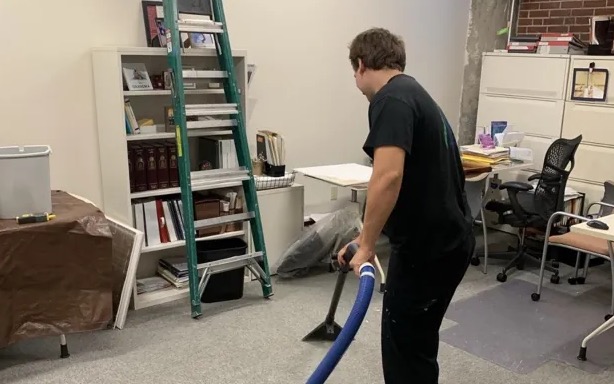
Expert Water-Damaged Flooring Removal for Long Island Homes
After any leak in Long Island, removal of wet flooring matters. Delays let water seep into subfloors and framing, where it weakens materials out of sight.
In Long Island, a damp subfloor can ruin new flooring installed too soon. Pros use moisture meters to confirm dryness before recommending replacement.
Water-Damaged Flooring Removal for Properties in Long Island
Emergency Floor Water Extraction
Truck-mounted or portable extractors remove standing water fast, which can reduce how much flooring must go.
Wet Carpet Removal
Pros extract water and remove soaked carpet so the pad and subfloor do not hold moisture in Long Island homes.
Subfloor Drying Services
Drying the subfloor fully prevents squeaks, soft spots and odors after water damage in Long Island.
Hardwood Floor Water Damage
Pros check whether water got past the finish, since warping or black stains usually mean replacement.
Tile Floor Water Cleanup
Pros check for hollow-sounding or loose tiles, which show the mortar bed has failed and needs drying.
How to Know You Need Water-Damaged Flooring Removal in Long Island
Discolored or Stained Flooring
Dark stains on carpet, grout or wood show the floor has stayed damp for too long.
Musty Odors From Floors
An earthy smell from the floor often means moisture is trapped under the surface.
Gaps Between Floorboards
New gaps between floorboards can appear as wood shrinks after soaking up water.
Water Pooling Under Carpet
Carpet that squishes when you step on it has water trapped in the pad below.
How Water-Damaged Flooring Removal Works in Long Island
Step 1: Floor Moisture Inspection
Meters map moisture in floors, walls and subfloors to define exactly what must be removed.
Step 2: Waterlogged Floor Removal
Ruined carpet, pad, tile or planks are cut out and removed from the water-damaged area.
Step 3: Structural Drying Procedures
Air movers and dehumidifiers work together to dry the subfloor and framing thoroughly.
Step 4: Final Verification and Cleanup
Readings confirm the area is dry, and debris is cleared for the next construction step.
Common Causes of Water Damage in Long Island
Plumbing Fixture Failures
Leaky supply lines under sinks, toilet overflows or failed valves soak nearby flooring.
Foundation or Slab Leaks
Cracks in a foundation or slab let groundwater seep up into the flooring above.
HVAC Condensate Drain Clogs
A clogged AC drain line can overflow and drip onto floors for weeks unnoticed.
Appliance Leaks and Overflows
Leaking dishwashers, washing machines or water heaters can flood floors with a lot of water.
Water-Damaged Flooring Removal for All Properties in Long Island
Residential Water-Damaged Flooring Removal
At home, pros map moisture under floating floors and around toilet bases to plan removal and drying precisely.
Commercial Water-Damaged Flooring Removal
Commercial entryways and break rooms need wet vinyl removed quickly and the concrete slab prepared for new flooring.
Water-Damaged Flooring Removal vs. DIY: When to Call Water Removal Pros
If a washer line leaks onto laminate, shut off the water and unplug the washer, then wipe up surface water. Widespread swelling or a wet subfloor needs professional removal and drying.
Cost Considerations for Water-Damaged Flooring Removal in Long Island
Contaminated water, such as from a sewer backup, and emergency containment needs raise the price and safety steps.
Post-Removal Services
Final moisture checks and site preparation for new flooring add to the total.
Contamination Level
Floodwater with sewage or chemicals requires extra safety steps during the extraction.
Emergency Response
Emergency removal after hours may be priced higher than scheduled daytime work.
Does Insurance Cover Water-Damaged Flooring Removal?
For tile or carpet damage, your insurer decides coverage from your policy's water damage terms. Pros supply the evidence for the claim.
The Value of Local Pros for Water-Damaged Flooring Removal in Long Island
Subfloor Preservation Focus
Drying the subfloor is a priority, which often avoids replacing the structure itself.
Detailed Damage Documentation
Photos and moisture logs give clear evidence of the damage for your insurance claim.
Focused Material Removal
Only ruined materials are removed, and anything that can be saved is kept in place.
Urgent Water-Damaged Flooring Removal Services for Long Island
After a burst pipe or flood, call local water damage pros at (516) 475-5895 for flooring removal and drying. Early work limits damage to the structure.
Call Now (516) 475-5895Water-Damaged Flooring Removal Services Available Near Long Island
Water-damaged flooring removal is available in Long Island and nearby areas like Ronkonkoma, Central Islip and Oakdale.
Water-Damaged Flooring Removal FAQs
Is laminate flooring removal always necessary after water exposure?
Usually, since laminate swells and delaminates when wet and cannot be dried well, so removal comes first.
How do pros document damage for insurance?
Pros take detailed photos and moisture readings at several points and put them in a report for your claim.
How quickly should wet carpet removal begin?
As soon as possible, ideally within hours, before stains, odors and subfloor damage set in.
What happens during subfloor drying services?
Air movers and dehumidifiers dry the wood subfloor after flooring removal, with readings until it is dry.
How is tile floor water damage assessed?
A moisture check looks for water under the tiles; if the grout or subfloor is soaked, some tile may come up.