Long Island, NY · Nassau and Suffolk counties
School Damage Restoration in Long Island, NYSchool Flood Drying Services & School Fire Damage Cleanup
School Damage Restoration in Long Island includes school water damage cleanup, school flood drying services and wet school insulation removal.
Answered 24/7
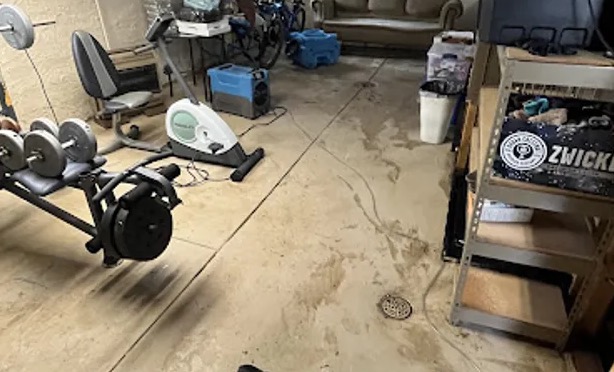
Professional School Damage Restoration in Long Island, NY
Plumbing failures and storms can leave standing water in Long Island gyms, cafeterias and labs, damaging floors and equipment. Local water extraction experts respond day or night to remove it and start drying.
A sewage backup is a health priority for any school in Long Island. The experts contain and disinfect the affected areas, and they also help schools in nearby Ronkonkoma, Central Islip and Oakdale recover safely.
Comprehensive School Damage Restoration for Long Island Schools
School Flood Drying Services
Pros choose desiccant or refrigerant dehumidifiers for each space and protect wood floors and supplies during drying.
School Fire Damage Cleanup
Pros clean light fixtures and furniture and dry water-stained materials so the school can reopen safely.
School Sewage Backup Cleanup
Pros remove contaminated materials, apply hospital-grade disinfectants and run air scrubbers to protect students and staff.
School Water Damage Cleanup
Pros extract water from auditoriums and offices and dry hidden moisture above ceilings in complex school layouts.
Wet School Insulation Removal
Pros reach insulation above ceiling tiles and inside walls and remove the damp, compacted material that holds moisture.
Warning Signs You Need School Damage Restoration in Long Island
Sewage Backup in Restroom Drains
Sewage backing up in toilets or floor drains is a serious health hazard.
Discolored or Sagging Ceiling Tiles
Stained or sagging ceiling tiles mean a roof or plumbing leak above them.
Visible Mold Growth on Walls
Dark or fuzzy patches on walls or around vents show a moisture problem.
Unexplained Puddles in Hallways
Puddles or damp spots on classroom or hallway floors often point to hidden leaks.
How School Damage Restoration Works in Long Island
Step 1: Secure the Site and Stop Further Damage
The first priority is stopping more water from entering, which may mean tarping a roof or shutting off water.
Step 2: Comprehensive Water and Debris Removal
Standing water, sewage and debris are removed, with contaminated water handled by specialized equipment.
Step 3: Deep Drying of Structural Materials
Pros dry wall studs, floor joists and concrete slabs to prevent long-term damage.
Step 4: Post-Restoration Verification and Reporting
Reports with before and after moisture readings are compiled for your records and insurance.
Common Causes of School Water Damage in Long Island
Vandalism or Accidental Damage
Broken windows or vandalized plumbing can let water into the building suddenly.
HVAC System Condensation Issues
Faulty condensate drain pans or lines can overflow into mechanical rooms and ceilings.
Fire Suppression System Discharges
An accidental sprinkler discharge can soak several classrooms and hallways at once.
Roof Leaks From Storm Damage
High winds, hail or heavy rain can damage roofing and let water into the building.
School Damage Restoration for Long Island Public and Private Schools
Water Damage Help for Classrooms and Common Areas
Restroom and locker room leaks often spread under tile and into nearby walls. The pros remove affected materials, dry the area and disinfect surfaces before students return.
School Damage Restoration for Districts and Facility Managers
In schools and daycares, roof leaks and restroom backups need careful work around class schedules, with HEPA filtration and disinfection where sewage was involved.
Why DIY School Damage Repair Falls Short
Staff can move small electronics, books and portable items out of wet areas. Moving large, soaked furniture is unsafe, and soaked carpet, wallboard or ceiling tiles need industrial equipment.
Factors Affecting School Damage Restoration Cost
The cost in Long Island depends on how far water spread and how many classrooms are affected, along with drying and contents work.
Emergency Response Timing
Early work limits damage, though after-hours work on nights or weekends may add labor cost.
Extent of Water Damage
The square footage of flooded classrooms and halls sets the extraction and drying effort.
Mold Contamination Scope
Moisture hidden behind walls or in HVAC systems takes longer to find and treat.
Does Insurance Cover School Damage Restoration?
Coverage for water damage often depends on whether the event was sudden, like a pipe burst. The experts document the damage, and the insurer makes the final decision.
Why Choose Local School Drying Experts for School Damage Restoration in Long Island
Minimized Educational Disruption
A clear plan dries key learning areas first so the school can resume classes sooner.
School-Specific Content Handling
Student projects, textbooks and lab equipment are inventoried, packed and cleaned with care.
Coordinated Multi-Zone Drying
Gyms, auditoriums, offices and classrooms can be dried at the same time for a faster recovery.
24/7 School Damage Restoration Assistance in Long Island
A major leak has soaked classrooms and offices, and every hour adds damage. For flood drying and wet insulation removal, call (516) 475-5895 now.
Call Now (516) 475-5895School Damage Restoration Near Long Island: Areas Served
When water damages a school in Long Island, restoration protects learning, and the experts also serve communities like Ronkonkoma, Central Islip and Oakdale.
Frequently Asked Questions About School Damage Restoration
Does school damage restoration include content cleaning?
Yes. Desks, computers, books and student work are evaluated, inventoried and cleaned when they can be saved.
How fast should classroom water extraction begin after a leak?
Within hours. Standing water warps flooring, damages wiring and lets mold start, so quick action matters.
What is school building water mitigation?
Fast action to stop water, remove it and dry the structure before it damages more of the building.
How is safety maintained during school property disaster recovery?
Containment barriers, air filtration, protective gear and clear signage protect workers and school staff.
What equipment is used for school water damage cleanup?
Pros use truck-mounted extractors, pumps, industrial dehumidifiers, air movers, moisture meters and thermal imaging cameras.