Long Island, NY · Nassau and Suffolk counties
Sewage Backup Cleanup & Sanitation in Long Island, NYContaminated Carpet Removal & Sewage Damage Cleanup
Sewage Backup Cleanup & Sanitation in Long Island involves sewage sanitization, sewage mold prevention and contaminated carpet removal handled by local sewage backup specialists.
Answered 24/7
Professional Sewage Backup Cleanup & Sanitation in Long Island, NY
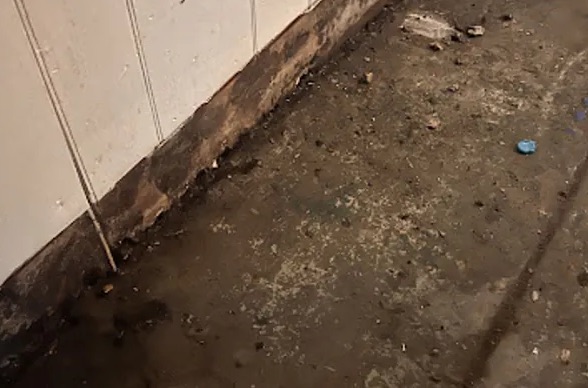
Sewage can quickly ruin flooring, baseboards and furniture in Long Island homes and create slip hazards. Calling professionals early limits the damage and the cost of restoration.
Sewage backups in Long Island homes and businesses need quick action. The experts serve this community and nearby places like Ronkonkoma, Central Islip and Oakdale, extracting the sewage and sanitizing and drying every affected area.
Sewage Backup Cleanup & Sanitation Services in Long Island
Contaminated Carpet Removal
Sewage-soaked carpet and padding usually must be removed. Specialists take them out with containment so contamination does not spread.
Sewage Damage Cleanup
Sewage leaves hazardous residue behind. Pros scrub and treat hard surfaces to remove waste and biological contaminants.
Sewage Backup Drywall Repair
Pros cut out and dispose of affected drywall, leaving a clean space ready for repairs.
Sewage Sanitization
A full disinfectant application is the final defense against germs, destroying bacteria and viruses from the backup.
Emergency Sewage Extraction
Fast extraction limits health risks and structural harm. Pros use industrial pumps to clear hazardous water from floors and rooms.
Signs Your Home Needs Sewage Cleanup
Damp or Wet Carpet Areas
Unexplained wet spots on carpet near drains or toilets suggest a hidden backup.
Bubbling in Toilet or Tub
Bubbles rising in the toilet when a sink or shower runs point to a blockage.
Water Backing Up When Appliances Drain
Water rising in a tub or floor drain when the washer or dishwasher empties points to a blocked main drain.
Health Symptoms Like Headaches
Headaches or breathing irritation at home can come from a hidden sewage problem.
How Sewage Backup Cleanup & Sanitation Works in Long Island
Step 1: 24/7 Sewage Backup Response
Specialists contain the area to prevent cross-contamination and assess the scope of the cleanup.
Step 2: Thorough Sewage Removal and Cleaning
All visible sewage is extracted, then salvageable surfaces are scrubbed and cleaned.
Step 3: Sewage Sanitization and Disinfection
The whole affected area is disinfected in stages with EPA-approved products by the pros.
Step 4: Post-Cleanup Verification and Testing
Moisture meters confirm drying, and air testing may confirm the space is safe to reoccupy.
Frequent Sources of Sewage Problems
Municipal Sewer System Overload
Heavy rain can overload city sewers and force water back through the lowest drains.
Foreign Objects in Sewer Line
Toys, gravel or other debris in the main line can stop the flow completely.
Septic System Backup or Failure
A full or failing septic tank can send raw sewage back into the home's plumbing.
Sump Pump Failure or Overflow
A failed sump pump in heavy rain can flood the basement and mix with sewer lines.
Sewage Backup Cleanup & Sanitation for All Property Types
Residential Sewage Backup Cleanup & Sanitation
After a backup, the priority is making the home safe for children and pets. Pros can test the air and make sure every affected material is handled properly.
Commercial Sewage Backup Cleanup & Sanitation
Sewage can violate health codes and hurt a business's reputation. Specialists respond 24/7 and sanitize to commercial health and safety standards.
Sewage Backup Cleanup & Sanitation vs. DIY: When to Call Local Specialists
If you suspect a sewage backup, stop using all plumbing fixtures so more water does not come in. Take photos for insurance from a safe distance, avoid the contaminated water and call the specialists.
Sewage Backup Cleanup & Sanitation Cost in Long Island, NY
In Long Island, cost depends on the surfaces contaminated, how urgent the extraction is and whether air testing and insurance documentation are needed.
Hazard Level
The type of contaminated water sets the safety gear and procedures the sewage backup specialists must use.
Emergency Response Timing
Emergency calls at night, on weekends or on holidays often involve higher labor rates than a scheduled visit.
Extent of Contamination
The volume of sewage and the area affected are the main drivers of cleanup cost.
Does Insurance Cover Sewage Backup Cleanup & Sanitation?
Coverage is not universal, and many policies require a rider for backups from outside the home. The experts create a precise record of the loss for you to submit.
Advantages of Hiring Sewage Backup Specialists
Comprehensive Odor Removal
Odor treatments and air scrubbing address the source of sewage smells, not just mask them.
Mold Prevention Focus
Fast drying and antimicrobial treatment help keep mold from starting in the structure.
Thorough Damage Documentation
Photos and moisture maps are prepared to support your discussions with the insurer.
Emergency Sewage Backup Response
Sewage backups damage property and threaten health. To start cleanup in Long Island, call the specialists at (516) 475-5895 for help at any hour.
Call Now (516) 475-5895Sewage Backup Cleanup & Sanitation Near Long Island: Areas Served
After a sewer line failure in Long Island, local pros are ready to clean up and sanitize, including in the area near Ronkonkoma, Central Islip and Oakdale.
Common Sewage Backup Cleanup & Sanitation Queries
How long does sewage damage restoration take?
Usually several days for extraction, drying and sanitizing, plus time for any repairs afterward.
How does sewage mold prevention work?
Fast drying after extraction and antimicrobial treatment of wet materials keep mold from starting.
Is post-sewage air quality testing important?
It is an optional check that confirms contaminant levels in the air have returned to normal.
What is the goal of sewage damage cleanup?
To remove all contaminants, get the home back to normal and prevent further damage from leftover moisture.
What does the sewage sanitization process include?
Applying EPA-registered antimicrobial agents to every affected surface to kill germs and make the area safe.