Hewlett, NY · Nassau County
Temperature-Controlled Drying in Hewlett, NYAir Mover Placement For Drying & Humidity Control For Restoration
Temperature-Controlled Drying in Hewlett includes thermal drying for water damage, rapid structural drying services, and humidity control for restoration managed by local moisture control experts.
Answered 24/7
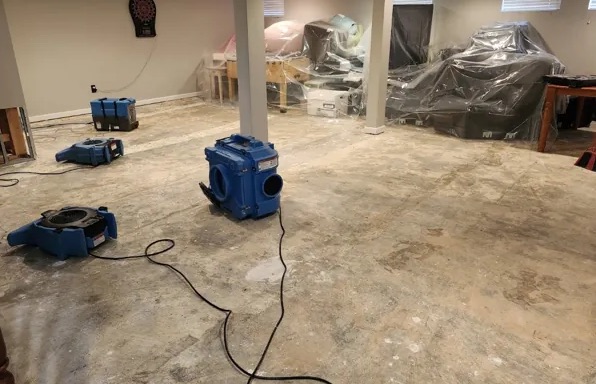
Temperature-Controlled Drying by Local Moisture Control Experts in Hewlett
In Hewlett, water spreads quickly through wood and concrete. Local pros use controlled heat to drive moisture out of those materials faster.
In Hewlett and nearby East Rockaway, Lynbrook and Valley Stream, fast structural drying stops mold before it starts. Local pros map moisture, then use LGR dehumidifiers and planned air mover placement until readings are normal.
Advanced Temperature-Controlled Drying Techniques in Hewlett
Air Mover Placement for Drying
The experts angle and space air movers in each room in Hewlett so air flows evenly across every wet surface.
Humidity Control for Restoration
The experts keep humidity low in properties in Hewlett, a census-designated place in Nassau County, so water evaporates from materials instead of soaking back in.
Moisture Mapping
Moisture mapping uses penetrating and non-penetrating meters to document water migration. This creates a blueprint of wet areas, including hidden moisture behind walls.
Drying Equipment Deployment
Pros set up drying machines with safe power, condensate drainage and placement based on the moisture map.
Climate-Controlled Drying Systems
Advanced systems allow precise manipulation of the drying environment. By controlling the dew point, the experts can aggressively dry contents without risk.
Symptoms Needing Temperature-Controlled Drying in Hewlett
Discoloration on Drywall or Ceilings
Yellow or brown water stains appear on surfaces that seem dry. These stains suggest moisture is still present inside the wall cavity.
Soft Drywall or Sagging Ceiling
Drywall feels spongy to the touch or a ceiling sags downward. This softness means the material is saturated and structurally compromised.
Damp Odors Persisting After Water
A musty smell lingers even after visible water is gone, indicating hidden moisture. That odor often signals mold or trapped dampness.
Moisture Meter Shows High Readings
A moisture meter reading high inside walls or floors means drying is not finished.
How Temperature-Controlled Drying Works in Hewlett
Step 1: Initial Moisture Survey and Readings
Pros take baseline moisture readings across the property to plan the drying.
Step 2: Precision Air Mover Placement
Air movers are placed at set angles and distances to target specific wet materials.
Step 3: Deployment of Drying Systems
Dehumidifiers are sized to the moisture load and the size of the space.
Step 4: Ongoing Monitoring and Adjustment
Equipment is moved and adjusted as materials dry, so drying keeps moving.
Sources of Water Intrusion Needing Moisture Removal in Hewlett
Undetected Plumbing Leaks
A slow drip behind a wall or under a slab saturates materials over time.
Poor Ventilation After a Flood
Closing up a wet room traps humid air, which slows drying and lets moisture soak further into materials.
Storm-Driven Water Intrusion
Heavy rain overflows gutters or gets in around windows and soaks framing and insulation.
HVAC System Condensation Issues
A clogged condensate drain line causes an overflow inside the air handler. This water can soak insulation and ductwork, creating a hidden moisture issue.
Residential & Commercial Temperature-Controlled Drying in Hewlett
Residential Temperature-Controlled Drying
At home, the pros dry wall cavities, subfloors and belongings with air movers and dehumidifiers, and keep drying logs for your insurance review.
Commercial Temperature-Controlled Drying
For businesses, rapid drying minimizes downtime and protects inventory, equipment, and building integrity. Large-scale drying systems are implemented to address moisture in offices, retail spaces, and warehouses.
Temperature-Controlled Drying: DIY Risks vs. Professional Care in Hewlett
Photograph all affected areas and items for insurance and move undamaged belongings to a dry room. Drying the structure takes industrial equipment that DIY gear cannot replace.
Factors in Temperature-Controlled Drying Pricing for Hewlett, NY
In Hewlett, cost depends on how far the moisture spread and how many rooms need drying equipment and monitoring.
Humidity Control Measures
Controlling humidity in tight spaces often takes specialized drying equipment and frequent adjustments.
Moisture Mapping Complexity
Checking moisture in layered floors or hidden cavities takes more time and equipment.
Extent of Water Damage
The larger the area that needs drying, the more equipment and labor the job takes.
Does Insurance Cover Temperature-Controlled Drying?
Many homeowner policies cover temperature-controlled drying when it stems from a sudden, covered peril like a burst pipe. The experts document all damage with photos and moisture readings for your claim submission.
Why Choose Local Experts for Temperature-Controlled Drying in Hewlett
Targeted Thermal Drying
Applying directed heat energy safely accelerates the drying of dense materials, reducing the overall timeline for the restoration project.
24/7 Emergency Response
Quick action is critical to limit secondary damage, and the pros are available around the clock to begin the drying process.
Ongoing Moisture Monitoring
Regular checks with moisture meters verify that drying goals are met, helping ensure no residual dampness remains within walls or floors.
Round-the-Clock Emergency Temperature-Controlled Drying in Hewlett
Stop water damage from getting worse while materials sit wet. Call (516) 475-5895 24/7 for drying help from the pros in Hewlett.
Call Now (516) 475-5895Temperature-Controlled Drying Available Throughout Nassau County
Temperature-controlled drying is available for homes in Hewlett and nearby places like East Rockaway, Lynbrook and Valley Stream.
- Temperature-Controlled Drying in East Rockaway
- Temperature-Controlled Drying in Lynbrook
- Temperature-Controlled Drying in Valley Stream
- Temperature-Controlled Drying in Cedarhurst
- Temperature-Controlled Drying in Lawrence
- Temperature-Controlled Drying in Inwood
- Temperature-Controlled Drying in Oceanside
- Temperature-Controlled Drying in Rockville Centre
- Emergency Damage Restoration in 11557
- Storm Damage Restoration in 11557
- Water Damage Restoration in 11557
- Water Extraction Service in 11557
- Water Leak Detection in 11557
- Water Removal Service in 11557
Your Temperature-Controlled Drying Questions Addressed
What is the difference between air movers and dehumidifiers?
Air movers evaporate moisture from surfaces into the air, and dehumidifiers pull it back out of the air.
What is the strategy behind air mover placement?
They are angled to move air across wet surfaces in a pattern, so moisture evaporates into the air where dehumidifiers can capture it.
Can rapid drying technology dry a property too quickly?
Yes, excessive heat or airflow can cause surface crusting, cracking, or other material stress, which is why professional drying balances speed with material-specific safety limits.
How long does the temperature-controlled drying process take?
It depends on the damage, the materials and the conditions. Pros monitor readings and stop when moisture goals are met.
What is temperature-controlled drying?
It is a drying method that controls heat and humidity together to remove moisture from building materials and contents safely and quickly.