ZIP 11003 · Elmont, NY · Nassau County
Water Damage Restoration in 11003Mold Prevention After Water Damage & Sewage Cleanup
For reliable water damage restoration in Elmont, rely on water extraction, flood cleanup, and water damage repair by experienced restoration pros.
Answered 24/7
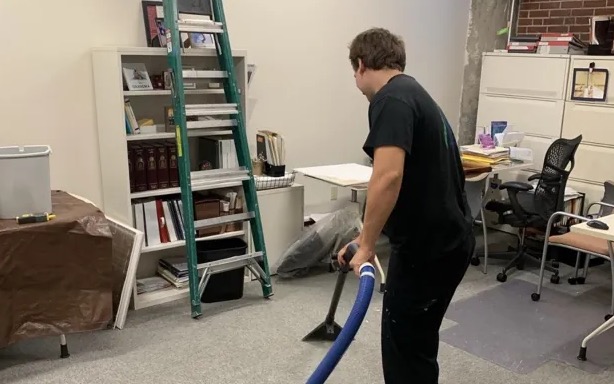
Water Damage Restoration Solutions in 11003, New York
In Elmont, moisture that stays in a building leads to big repairs and health problems. The pros remove the water and dry out the hidden dampness, removing mold when needed.
In Elmont and nearby Floral Park, Franklin Square and New Hyde Park, the pros extract water and dry the structure to industry standards after leaks and floods, before swelling, odor and mold set in.
Core Water Damage Restoration Methods Used in 11003
Mold Prevention After Water Damage
Drying wet drywall, framing and carpet to normal readings limits the moisture mold needs in Elmont homes.
Sewage Cleanup
Sewage is Category 3 water. Cleanup includes removing the sewage, disinfecting surfaces and drying the area in Elmont.
Storm Damage Repair
After a storm, roof openings are covered and wet drywall and flooring are dried or replaced.
Flood Cleanup
Flood water can carry contaminants. The pros in Elmont remove ruined materials, extract the water and apply antimicrobial treatment.
Structural Drying
Structural drying removes moisture from materials like drywall and wood. It uses air movers and dehumidifiers to achieve specific dryness goals, preventing warping and mold.
When to Call for Water Damage Restoration in 11003
Visible Mold Patches
Any visible mold, especially after a leak, means moisture has stayed long enough for spores to grow.
Musty Odors in Rooms
A persistent musty smell often means hidden moisture and mold growing behind walls or under floors.
High Indoor Humidity Levels
A consistently sticky, humid feeling indoors can indicate poor drying. Professionals use tools to measure and correct moisture levels.
Cracked or Warping Floorboards
Hardwood floors that warp, cup, or crack are reacting to moisture. The pros can assess and begin drying.
How Water Damage Restoration Works in 11003
Step 1: Water Removal Services
Powerful extractors remove the surface water and the water absorbed into carpet and floors.
Step 2: Comprehensive Dehumidification
Commercial dehumidifiers pull moisture from the air and building materials, which dries carpet and walls.
Step 3: Cleaning and Debris Removal
Damaged materials that cannot be saved are safely removed. Salvageable surfaces are cleaned and sanitized as part of the water damage cleanup.
Step 4: Reconstruction and Final Verification
Necessary rebuilding, from drywall to flooring, is completed. A final moisture check verifies the area is dry and restoration is finished.
Why Properties in 11003 Experience Water Damage
Foundation Cracks and Seepage
Hydrostatic pressure can push groundwater through foundation cracks into basements. Flooded basement cleanup and exterior waterproofing are typical solutions.
Fire Suppression System Activation
Fire sprinklers that discharge during a fire or by accident put a lot of water into a building.
Sewer Line Backups or Overflows
Blocked main sewer lines or septic failures can push sewage up into the home through drains.
Bathroom Fixture Failures
Failed toilet seals, overflowing tubs and leaking shower pans soak carpet and subfloors over time.
Residential and Commercial Water Damage Restoration in 11003
Residential Water Damage Restoration
At home, cleaning up a flooded basement protects the foundation and removes electrical hazards. Pros pump out the water, start drying and check for mold.
Commercial Water Damage Restoration
Restaurants, hotels and clinics have strict health rules after water damage. Sewage backups need cleaning and disinfection, with extra care in kitchens and patient areas.
When Water Damage Restoration Requires a Pro in 11003
A wet/dry vacuum can dry small wet carpet areas if used correctly. Opening windows and running fans helps air circulation. Soaked padding or a musty odor means professional wet carpet drying is necessary to stop mold growth.
What Influences Water Damage Restoration Cost in 11003?
Cost for water damage cleanup in Elmont depends heavily on the water's source. Clean water from a supply line is less complex than contaminated sewage, which demands specialized safety and disposal procedures, increasing overall expense.
Emergency Service Timing
Night and weekend extraction can carry a different rate than work during business hours.
Drying Time Required
How long air movers and dehumidifiers must run affects equipment cost and job length.
Content Pack-Out Needs
The cost includes labor for moving, cleaning, and storing furniture and personal belongings to facilitate the flooded basement cleanup and drying process.
Does Insurance Cover Water Damage Restoration?
For storm damage, check whether wind-driven rain or hail is covered. The pros record the damage with photos and notes, giving you a file to submit to your insurer.
Advantages of Hiring Water Damage Pros in 11003
Detailed Damage Documentation
Pros systematically photograph the damage and record moisture readings, creating a clear visual and data record that can be useful for insurance purposes.
Contamination Safety Protocols
For sewage or dirty flood water, the pros wear protective gear and treat surfaces to reduce health risks.
Integrated Service Approach
One set of pros handles the job from the first water removal to the final repairs.
24/7 Water Damage Restoration Help in 11003, NY
Extensive water damage demands early professional help. Waiting can lead to costly secondary damage like mold growth. Secure emergency water removal and drying services by contacting the pros at (516) 475-5895.
Call Now (516) 475-5895Providing Water Damage Restoration to 11003 and Nearby
In Elmont, a census-designated place in Nassau County, the pros handle flood cleanup and mold removal for homes and businesses, and also serve Floral Park, Franklin Square and New Hyde Park.
Water Damage Restoration FAQs
Can wet carpet be saved after water damage?
Wet carpet drying may be possible if extraction begins quickly and the water is clean. Contaminated water often requires disposal. The pros assess the carpet, pad, and subfloor to determine if salvage is feasible.
What equipment is used for emergency water extraction?
The experts use truck-mounted or portable submersible pumps for large volumes and industrial-grade wet/dry vacuums for residual water.
How do restoration pros document water damage for insurance?
Photos and video of the damage, moisture and thermal readings and notes describing the scope of work for the claim file.
What is the difference between water removal and structural drying?
Water removal takes out standing water. Structural drying then removes moisture absorbed into drywall and wood with air movers and dehumidifiers.
What are common causes of residential water damage?
Common causes include plumbing failures like burst pipes, appliance leaks from water heaters or washing machines, roof leaks, and flooding from severe weather.