ZIP 11705 · Bayport, NY · Suffolk County
Water Damage Restoration in 11705Sewage Cleanup & Mold Prevention After Water Damage
Water Damage Restoration in Bayport covers sewage cleanup, storm damage repair and structural drying.
Answered 24/7
Expert Water Damage Restoration for Properties in 11705
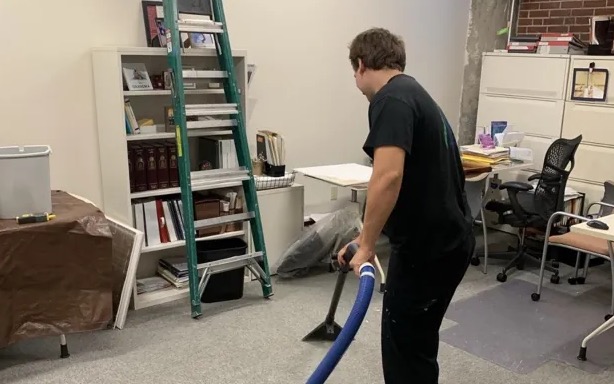
For homes and businesses in Bayport, fast action prevents weakened structure and mold. Local water damage pros clean up floods and dry the building with professional tools.
Around Bayport, a census-designated place in Suffolk County, including Blue Point, Sayville and Patchogue, the pros remove water from affected homes and businesses and dry the structure to keep mold from starting.
Water Damage Restoration Services in 11705
Sewage Cleanup
Sewage is Category 3 water. Cleanup includes removing the sewage, disinfecting surfaces and drying the area in Bayport.
Mold Prevention After Water Damage
Surfaces that stayed wet are cleaned and treated with an antimicrobial after drying in Bayport homes.
Water Extraction
Soaked carpet and pad hold water that standard pumps miss. The pros in Bayport extract it deeply, which often saves the flooring.
Structural Drying
Structural drying removes moisture from materials like drywall and wood. It uses air movers and dehumidifiers to achieve specific dryness goals, preventing warping and mold.
Water Damage Repair
After drying, pros rebuild what water damaged, patching drywall and laying new flooring so rooms in Bayport homes work as before.
Warning Signs You Need Water Damage Restoration
Puddles Around Appliances
Standing water near a water heater, washer or fridge means a leak. Call (516) 475-5895 before it spreads further.
Cracked or Warping Floorboards
Hardwood floors that warp, cup, or crack are reacting to moisture. The pros can assess and begin drying.
Musty Odors in Rooms
A persistent musty smell often means hidden moisture and mold growing behind walls or under floors.
Sewage Odor in Basement
A sewer smell points to a backup or broken line. Sewage needs protective gear and careful removal.
How Water Damage Restoration Works in 11705
Step 1: First Call and Inspection
An inspection after your call finds the type of water and how far it spread.
Step 2: Bulk Water and Sewage Cleanup
All bulk water, including hazardous Category 3 water from sewage backups, is removed. Specialized sewage cleanup protocols are used for safety.
Step 3: Detailed Moisture Removal
Moisture trapped in subfloors, drywall and insulation is pulled out with targeted drying.
Step 4: Property Restoration Completion
The final phase involves repairing or replacing damaged structural elements and finishes, with the goal of a dry, usable property.
Why Properties in 11705 Experience Water Damage
Fire Suppression System Activation
Fire sprinklers that discharge during a fire or by accident put a lot of water into a building.
Roof Leaks From Storm Damage
Wind-driven rain, hail or fallen debris can break through roofing and let water into the home.
Bathroom Fixture Failures
Failed toilet seals, overflowing tubs and leaking shower pans soak carpet and subfloors over time.
Natural Flooding From Heavy Rain
Heavy rain can overwhelm drainage and send surface water inside through doors and low spots.
Water Damage Restoration for All Property Types in 11705
Residential Water Damage Restoration
Attic water damage from roof leaks can ruin insulation and decking, affecting energy bills. The pros perform attic drying and may remove wet insulation.
Commercial Water Damage Restoration
Warehouses and plants need heavy-duty water removal over large areas after drainage failures or sprinkler discharges, to protect machinery and storage.
Water Damage Restoration vs. DIY: When to Call Local Pros
After turning off power, mop water off hard floors. Put foil or plastic under furniture legs on wet carpet to prevent stains. If flooring buckles or cups, call the pros for drying.
Cost Considerations for Water Damage Restoration in 11705
Cost for water damage cleanup in Bayport depends heavily on the water's source. Clean water from a supply line is less complex than contaminated sewage, which demands specialized safety and disposal procedures, increasing overall expense.
Affected Materials
Restoration costs vary if water damages drywall, hardwood floors, or custom cabinetry, as each material has different repair or replacement requirements.
Secondary Damage Remediation
Extra work like mold removal or storm repairs adds its own scope and cost.
Area Accessibility
Difficult-to-access areas like crawl spaces or attics may require specialized equipment, increasing the time and cost for the experts to complete the work.
Does Insurance Cover Water Damage Restoration?
Sewage cleanup coverage varies. Some policies cover resulting water damage, others need an endorsement. Review your policy details. The professionals provide documentation showing the damage and remediation steps for your insurer.
The Case for Local Restoration Pros in 11705, NY
Contamination Safety Protocols
For sewage or dirty flood water, the pros wear protective gear and treat surfaces to reduce health risks.
Detailed Damage Documentation
Pros systematically photograph the damage and record moisture readings, creating a clear visual and data record that can be useful for insurance purposes.
Thorough Structural Drying
Air movers and dehumidifiers dry the structure and contents until readings are back to normal.
Emergency Water Damage Restoration Response for 11705
Extensive water damage demands early professional help. Waiting can lead to costly secondary damage like mold growth. Secure emergency water removal and drying services by contacting the pros at (516) 475-5895.
Call Now (516) 475-5895Local Water Damage Restoration Areas Near 11705
In Bayport and nearby Blue Point, Sayville and Patchogue, local pros handle everything from sewage backup cleanup to final water damage repairs.
Common Water Damage Restoration Queries Answered
Can wet carpet be saved after water damage?
Wet carpet drying may be possible if extraction begins quickly and the water is clean. Contaminated water often requires disposal. The pros assess the carpet, pad, and subfloor to determine if salvage is feasible.
What is the difference between water removal and structural drying?
Water removal takes out standing water. Structural drying then removes moisture absorbed into drywall and wood with air movers and dehumidifiers.
How do professionals handle a sewage backup cleanup?
Sewage cleanup requires strict safety protocols due to contaminants. The process involves removing the hazardous waste, thorough cleaning and disinfecting affected areas, and often removing porous materials that cannot be adequately sanitized.
Why can mold become a problem after water damage?
Mold can grow in damp materials within 24 to 48 hours. If moisture remains after drying, mold removal may be needed.
How is commercial water damage different from residential?
Commercial jobs are larger, involve building systems and need planning around business hours, so drying is done in sections to limit downtime.