ZIP 11096 · Inwood, NY · Nassau County
Water Leak Detection in 11096Emergency Leak Detection & Hidden Water Leak Detection
Water Leak Detection in Inwood covers hidden water leak detection, slab leak detection and thermal imaging leak detection.
Answered 24/7
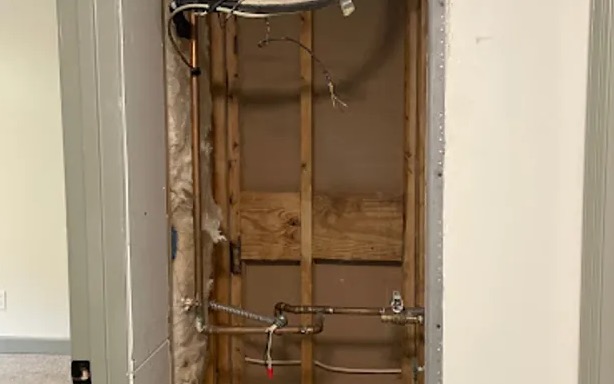
Local Water Leak Detection Services in 11096, New York
In Inwood, hidden moisture damages flooring, drywall and foundations and leads to costly repairs. Pros trace the source with specialized equipment instead of tearing out walls to look.
In Inwood and nearby Lawrence, Cedarhurst and Hewlett, local pros use thermal cameras and other tools to find leaks in slabs, pipes and walls. Call (516) 475-5895 24/7 for water leak detection in Inwood.
Water Leak Detection Services in 11096
Emergency Leak Detection
Emergency leak detection provides around-the-clock help to sudden, significant water losses that threaten a property.
Hidden Water Leak Detection
Acoustic and thermal tools find leaks you cannot see, before they cause mold and water damage inside walls in homes across Inwood, a census-designated place in Nassau County.
Slab Leak Detection
Slab leak detection focuses on finding breaches in plumbing pipes embedded in or under the concrete foundation.
Whole House Leak Detection
A thorough whole house leak detection survey is recommended when moisture issues are widespread or the source is unclear.
Thermal Imaging Leak Detection
Thermal imaging leak detection uses infrared cameras to visualize temperature differences caused by moisture.
Symptoms That Require Water Leak Detection in 11096
Sounds of Running Water
You hear water flowing or dripping within walls or under floors when all taps and appliances are off.
Foundation Cracks or Shifts
New cracks in your home's foundation or slab can be caused by water erosion from a subsurface leak.
Constantly Running Toilet
A toilet that refills on its own or makes a continuous hissing sound may have a hidden leak.
Warm Spots on the Floor
Certain areas of tile or flooring feel unusually warm, which may indicate a hot water line leak.
How Water Leak Detection Works in 11096
Step 1: Symptom Analysis and Hypothesis
Local leak detection experts analyze your reported symptoms, such as sound or moisture, to form a hypothesis about the leak's type and location.
Step 2: Targeted Technology Application
A targeted technology, such as thermal imaging for hidden moisture or acoustic sensors for pipe leaks, is applied to the suspected area.
Step 3: Correlation of Data Points
Findings from different methods are correlated to build a confident picture of the leak's path, whether it's a pinhole leak or a broken joint.
Step 4: Client Walkthrough and Documentation
You are walked through the evidence, and all findings are documented with detailed notes and imagery to support the next phase of leak repair.
Water Damage Causes Found During Water Leak Detection
Ground Settlement
Settling soil can shift a home's foundation and put stress on the water pipes running through it, until a joint cracks.
Root Intrusion Into Lines
Tree roots seek moisture and can infiltrate underground sewer or water lines, cracking pipes and causing major blockages and leaks.
Water Heater Tank Failures
Internal corrosion or a failing pressure relief valve on a water heater can lead to significant leakage and water damage.
Freeze and Thaw Cycles
Water inside pipes expands when it freezes, creating pressure that can crack pipes, with leaks appearing during the thaw.
Residential & Commercial Water Leak Detection in 11096
Residential Water Leak Detection
At home, a whole house leak check covers the entire plumbing system. It is useful before buying a home or after noticing small signs of a hidden leak.
Commercial Water Leak Detection
For property managers, scheduled whole house leak detection across multiple units or a large building helps prevent small problems from becoming costly, disruptive emergencies affecting tenants and assets.
Water Leak Detection vs. DIY Leak Finding
Look at pipes under sinks, behind toilets and near appliances for moisture, corrosion or drips. Tightening a loose fitting may fix a simple leak. Leaks inside walls need detection equipment.
Understanding Water Leak Detection Cost in 11096
Leaks under concrete slabs or inside finished ceilings cost more to find because they need special tools and more steps to confirm.
Leak Location
Hidden leaks behind walls or under foundations require more sophisticated detection equipment and time to locate, affecting the overall service cost.
Plumbing Complexity
Older plumbing systems or those with numerous branches and fixtures present more areas for potential leaks that require careful evaluation.
Confirmation Needs
Some situations require multiple methods to confirm a leak's exact source, which can extend the diagnostic phase of the work.
Does Insurance Cover Water Leak Detection?
For pipe leak detection, contact your insurer to understand your coverage. Many policies cover the resulting water damage and the plumbing repair if the leak is sudden. The diagnostic leak detection work to locate the pipe failure may be considered part of the repair.
Why 11096 Trusts Local Experts for Water Leak Detection
Methodical Process
Pros work in a logical order, from the water meter to individual fixtures, to isolate the leak.
Comprehensive Plumbing Assessment
A whole house leak detection check evaluates the entire system, helping to identify multiple potential issues or confirm a single leak source.
Non-Invasive Search Methods
Techniques such as thermal imaging leak detection and acoustic surveys locate hidden moisture sources behind walls or under slabs with minimal disruption.
Emergency Leak Detection for 11096
Don't wait with a suspected major leak. For 24/7 emergency water leak detection in Inwood using thermal imaging and other tools, make the call to (516) 475-5895.
Call Now (516) 475-5895Water Leak Detection Coverage in and Around ZIP 11096
For homes in Inwood and surrounding areas like Lawrence, Cedarhurst and Hewlett, leak repair starts with finding exactly where the water is coming from.
Common Water Leak Detection Questions Answered
Does leak detection work on all pipe types?
Most leak detection methods are effective on common pipe materials like copper, PVC, and PEX, though the material can influence the acoustic signature or thermal profile slightly.
Why is thermal imaging used for leak detection?
Thermal imaging detects temperature variations caused by moisture; cooler wet spots often show up against warmer dry surfaces, allowing visual identification of leak areas behind walls or ceilings.
What tools are used for water leak detection?
Thermal cameras show temperature differences, listening devices pick up water sounds and moisture meters map damp areas.
When is emergency leak detection needed?
Emergency leak detection is needed for sudden, significant leaks like a burst pipe or major appliance failure where rapid water loss or visible damage indicates an urgent, hidden source.
How does acoustic water leak detection function?
Sensitive microphones pick up the sound of water escaping a pipe, which helps find the exact spot through walls or soil.