Long Island, NY · Nassau and Suffolk counties
Attic Damage Restoration in Long Island, NYAttic Water Extraction & Attic Pipe Leak Cleanup
Attic Damage Restoration in Long Island covers attic water extraction, wet attic insulation removal and roof leak water cleanup.
Answered 24/7
Attic Water Damage Repair for Long Island Homes
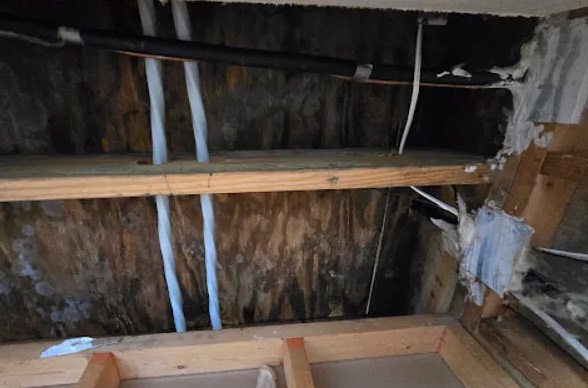
Homes in Long Island with air handlers in the attic see a lot of condensate leaks. A clogged drain line or rusted pan can soak a wide strip of insulation.
Homes in Long Island with attic air handlers, water heaters or supply lines face leaks from above. Local attic restoration experts dry the attic and ceiling, and the service also covers Ronkonkoma, Central Islip and Oakdale.
Wet Attic Cleanup and Insulation Removal
Attic Water Extraction
Pooled water on attic decking or in a drain pan is removed first with portable extractors, since nothing dries while water is still sitting in the space.
Attic Pipe Leak Cleanup
A leaking pipe in an attic can run for days before a ceiling stain shows. Readings across the joists show how far the water spread so the whole area is dried.
Storm Water Attic Cleanup
Wind-driven rain and storm damage can let water into the attic through vents, flashing and damaged roofing. The pros remove the water and wet insulation and dry the wood.
Roof Leak Water Cleanup
After a roof leak is tarped or repaired, the decking, rafters and ceiling below still hold water. Air movers and dehumidifiers dry them before rot or mold can start.
Emergency Attic Drying Services
Attics get hot and humid fast, which slows drying and helps mold start. Dehumidifiers pull moisture out of the air so the wood keeps drying.
Warning Signs You Need Attic Damage Restoration
Frost on Nails in Winter
Frost on nail tips in a cold attic melts on warm days and drips onto insulation, a sign of moist air and poor venting.
Wet or Matted Insulation
Insulation that looks flattened, stained or clumped has been soaked and is holding water against the ceiling.
Peeling Paint on Upper Ceilings
Bubbling or peeling paint on top-floor ceilings is a common sign of moisture in the attic above.
Rust Around Nails and Metal
Rusty nail tips, straps or ductwork in the attic point to repeated moisture from a leak or condensation.
How Attic Damage Restoration Works in Long Island
Step 1: Attic Damage Assessment
The pros check the attic and the rooms below with moisture meters and thermal cameras to map every wet area.
Step 2: Attic Water Extraction
Pooled water is vacuumed out and any water held in a sagging ceiling is drained in a controlled way.
Step 3: Wet Attic Insulation Removal
Soaked insulation is bagged or vacuumed out so the drywall and joists below can get air and start drying.
Step 4: Attic Drying Process
Air movers and dehumidifiers dry the decking, rafters and ceiling, with readings each day until they are dry.
Why Attics Get Wet in Long Island
Ice Dams at the Eaves
Melting and refreezing snow at the eaves can push water under the shingles and into the attic.
Water Heater or Equipment in the Attic
A water heater or humidifier stored in the attic can leak and soak the insulation and ceiling below.
Leaking Vents and Skylights
Worn seals around plumbing vents, roof vents and skylights let water run down into the attic.
Clogged AC Condensate Drains
An attic air handler can produce gallons of water a day. A clogged line or rusted pan sends it into the insulation.
Attic Water Damage Repair for Every Property
Attic Damage Restoration for Homeowners
For homes in Long Island, the pros remove wet insulation, dry the attic framing and the ceiling below and keep photos and readings for your insurer.
Attic Damage Restoration for Businesses and Property Managers
Businesses with attic or above-ceiling spaces get water removed and the area dried, with work planned to keep the rooms below in use.
Professional Attic Damage Restoration or DIY?
Walking in an attic is risky, since one step off a joist goes through the ceiling. Unless you have safe footing, let the experts reach the wet area.
Attic Damage Restoration Cost in Long Island, NY
Ceiling drywall below the attic adds cost when it has to be cut out and replaced. Drying it in place, when possible, keeps costs down.
Source of the Water
Clean water from a pipe or AC drain is simpler to handle than storm water that brought in dirt and debris.
Attic Access
Small hatches, low clearance and stored items slow the work and add labor time.
Ceiling Damage Below
Sagging or soaked ceiling drywall that must be removed and replaced raises the total.
Does Insurance Cover Attic Damage Restoration?
Storm damage to the roof is usually covered under the wind or hail part of a policy. Keep photos of the attic and the ceiling below before cleanup starts.
Reasons to Call Attic Restoration Experts in Long Island
Records for Your Insurer
Photos, moisture readings and drying logs help you file and support a claim.
Homes and Businesses
The same process works for a house attic or the space above a commercial ceiling.
Drying Until the Wood Is Dry
Equipment stays until pin meters show the rafters and decking are dry inside, not just on the surface.
Emergency Attic Leak Cleanup in Long Island
For a pipe leak in the attic, shut off the main water valve and call (516) 475-5895. Help is available every day of the year.
Call Now (516) 475-5895Attic Damage Restoration in Long Island and Surrounding Towns
The service covers Long Island and surrounding communities like Ronkonkoma, Central Islip and Oakdale, for leaks large and small.
Attic Damage Restoration FAQs
Should I go into the attic to check the leak?
Only if you can stand safely on the joists. One step off a joist can go through the ceiling.
How do the pros find hidden water in the attic?
Moisture meters and thermal cameras show wet wood and insulation along the water's path, even far from the stain.
How long does the attic drying process take?
Most attics take three to five days. Thick decking, deep saturation and high humidity can add time.
Can a sagging ceiling be saved?
If it was wet with clean water and is dried quickly, sometimes. Drywall that has sagged badly or stayed wet is usually replaced.
How quickly should attic water damage be handled?
Within a day or two. Hot, damp attics grow mold quickly, and wet insulation keeps the ceiling below soaked.