Long Island, NY · Nassau and Suffolk counties
Townhouse Damage Restoration in Long Island, NYTownhouse Water Extraction Services & Townhouse Fire Damage Restoration
Townhouse Damage Restoration for Long Island townhouses involves townhouse mold remediation, townhouse fire damage restoration and townhouse structural drying.
Answered 24/7
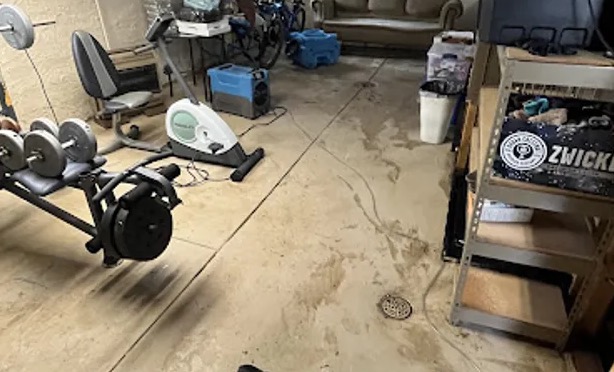
Expert Townhouse Damage Restoration in Long Island, New York
Townhouses in Long Island share walls and plumbing, so one leak can spread water into more than one unit within hours. Fast extraction and drying keep the damage from reaching a neighbor's home.
Storm damage to townhouses in Long Island often means roof leaks, broken windows or siding damage that let water in. Local townhouse water removal pros remove water and dry the structure, also serving Ronkonkoma, Central Islip and Oakdale.
Comprehensive Townhouse Damage Restoration for Long Island
Townhouse Water Extraction Services
High-capacity extractors pull water from carpet and subfloors before it wicks into walls.
Townhouse Fire Damage Restoration
Pros secure the site, extract water and use thermal fogging to neutralize smoke odor.
Townhouse Water Damage Cleanup
Pros extract water on every level, then run dehumidifiers and air movers until the home is dry.
Townhouse Structural Drying
Pros balance equipment around shared walls and track progress with daily moisture readings.
Townhouse Mold Remediation
Pros fix the moisture source, remove damaged components and clean the structure with air filtration running.
Warning Signs You Need Townhouse Damage Restoration in Long Island
Contents Damaged by Water
Warped furniture, soaked carpet or ruined belongings show water spread through the home.
Flooded Crawl Space or Slab
Water in the crawl space or on the slab threatens the foundation and floors.
Mold Growth in Walls
A musty smell or dark patches on walls point to moisture trapped inside them.
Sewage Backup Odors
Foul smells from drains or toilets often mean a sewage backup that needs cleanup.
How Townhouse Damage Restoration Works in Long Island
Step 1: Damage Assessment and Documentation
Pros photograph the damage and take moisture readings for your claim before cleanup starts.
Step 2: Hazardous Sewage Backup Cleanup
For sewage, pros remove contaminated water and solids, then disinfect the area.
Step 3: Smoke and Odor Removal
Soot and residue are cleaned from surfaces, and odor treatment removes lingering smells.
Step 4: Final Repairs and Restoration
Damaged drywall, flooring and other parts are repaired or replaced to finish the job.
Leading Causes of Townhouse Property Damage
HVAC System Condensation
Clogged drain pans or leaking AC units drip water inside and cause hidden damage.
Roof Leaks from Storms
Heavy rain, wind or hail can damage roofing and let water into the home.
Poor Ventilation and Humidity
Poor airflow in bathrooms and kitchens lets moisture build up in walls and ceilings.
Plumbing Leaks and Bursts
Leaking pipes, fixtures or supply lines inside walls can soak a townhouse quickly.
Residential and Commercial Townhouse Damage Restoration in Long Island
Water Damage Help for Homes
Storm damage to your townhouse needs boarding and tarping first, then pros check the roof and siding to stop more water getting in.
Townhouse Damage Restoration for Owners and Managers
For commercial townhouse properties, pros handle emergency repairs, water extraction and drying to protect the building and finishes.
Professional Townhouse Damage Restoration or DIY Repair in Long Island
If a sewage backup is limited to one drain, you may disinfect the area carefully while wearing protective gear. Larger backups need professional equipment and proper disposal.
Estimating Townhouse Damage Restoration Expense in Long Island
The cost in Long Island depends on the source of the damage and how large an area is affected, with drying complexity in attached layouts adding to the price.
Deodorization and Air Cleaning
Lasting smoke or sewage odors may need thermal fogging or hydroxyl generators.
Documentation for Insurance
Detailed photo logs and moisture maps support your claim but take time to prepare.
Content Restoration Needs
Saving furniture, electronics and documents adds a separate cleaning and drying step.
Does Insurance Cover Townhouse Damage Restoration?
Storm damage may be covered for wind or hail, while ground flooding is often excluded. The pros document the damage, and your insurer sets coverage and deductibles.
The Value of Local Townhouse Water Removal Pros for Townhouse Damage Restoration
Structural Drying Precision
Drying plans account for shared walls so moisture between units is not missed.
Sewage Cleanup Safety Procedures
Sewage is handled with proper disinfectants and protective gear for everyone's safety.
IICRC-Standard Restoration Methods
Extraction, drying and cleanup follow established industry standards, which gives dependable results.
24/7 Emergency Townhouse Damage Restoration in Long Island
After a burst pipe or appliance failure, call (516) 475-5895 for 24/7 help. Fast extraction keeps floors and walls from swelling and limits the cost of repairs in Long Island.
Call Now (516) 475-5895Townhouse Damage Restoration for Long Island and Nearby Communities
Attached homes in Long Island and nearby Ronkonkoma, Central Islip and Oakdale get restoration planned around shared walls and plumbing.
Common Townhouse Damage Restoration Queries Answered
How do pros confirm a townhouse is dry?
Moisture meters and thermal cameras check walls, floors and ceilings until readings meet dry standards.
Why is drying different in a townhouse?
Shared walls and vents let moisture and dust move between units, so containment and neighbor coordination matter.
What is involved in townhouse water damage cleanup?
Emergency water removal, structural drying of walls and floors and cleaning and sanitizing affected surfaces.
How long does townhouse structural drying typically take?
It depends on how wet materials are, but drying often takes several days with daily moisture checks.
Can belongings be saved after townhouse fire damage?
Many items can be cleaned with ultrasonic or ozone methods, depending on the material and the damage.