Long Island, NY · Nassau and Suffolk counties
Construction Site Damage Restoration in Long Island, NYConstruction Site Water Extraction & Construction Site Mold Remediation
Construction Site Damage Restoration in Long Island performs construction site mold remediation, construction site fire damage cleanup, and new build moisture inspection.
Answered 24/7
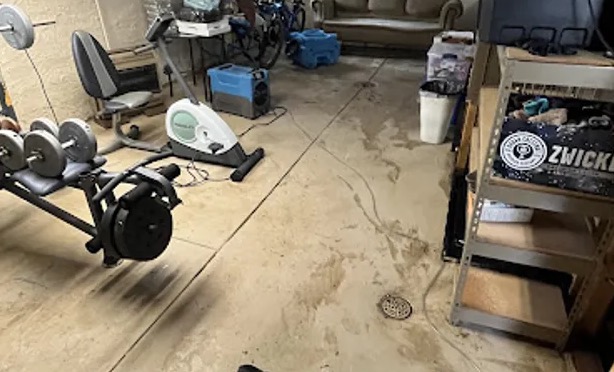
Local Construction Site Damage Restoration for Projects in Long Island, New York
Emergency drying services are vital for construction sites in Long Island, where daily delays multiply labor and material costs.
For properties in Long Island, construction site flood damage repair requires specialized equipment for large-scale water removal. Local construction site restoration experts handle everything from sewage to fire damage. They also serve communities around Ronkonkoma, Central Islip and Oakdale with the same urgency and precision.
Specialized Construction Site Damage Restoration for Long Island Builds
Construction Site Water Extraction
The construction site restoration experts remove water from slabs and foundations first. This rapid action helps prevent damage to electrical rough-ins and stops moisture from soaking into open framing.
Construction Site Mold Remediation
Mold on construction materials in Long Island can halt work and require demolition of installed components.
Construction Site Fire Damage Cleanup
Cleaning after a construction site fire focuses on soot removal from exposed ductwork, electrical conduits, and structural members.
Construction Site Storm Damage Repair
After a severe storm in Long Island, construction sites often need temporary stabilization and water removal.
Construction Site Sewage Cleanup
Dealing with raw sewage involves removing the hazardous liquid, then cleaning and disinfecting concrete slabs, pipes, and any tools or materials that came into contact.
Warning Signs You Need Construction Site Damage Restoration in Long Island
Compromised Temporary Roofing
Leaks through an incomplete or damaged roof system can cause widespread water damage to the entire structure below.
Flooded Excavations or Trenches
Heavy rain can fill excavations, destabilizing soil and potentially flooding the construction site's lower levels or utilities.
Sagging or Warped Subflooring
Exposure to water or high humidity can cause plywood or OSB subfloors to warp, delaying further construction phases.
High Humidity Readings on Meters
Professional moisture meters detecting elevated humidity levels within building assemblies signal a need for dehumidification.
How Construction Site Damage Restoration Works in Long Island
Step 1: Emergency Site Assessment and Water Extraction
The experts first secure the area and assess the damage's scope.
Step 2: Comprehensive Structural Drying Setup
Professionals strategically place high-capacity air movers and dehumidifiers to dry framing, slabs, and cavities. This construction site structural drying prevents warping and mold colonization.
Step 3: Contaminant Removal and Cleaning
Affected materials like soaked insulation or fire-damaged drywall are removed. Surfaces are cleaned and sanitized, especially after sewage or fire damage cleanup.
Step 4: Verification and Moisture Documentation
Using moisture meters, pros verify all materials have reached dry standards. They document readings and photos for your records and potential insurance review.
Typical Sources of Construction Site Damage Restoration During Construction
Severe Weather and Storms
Wind-driven rain, hail, or flooding can breach temporary enclosures and protections, leading to extensive storm damage repair needs.
Broken Temporary Water Lines
Accidental strikes or freezing of temporary plumbing lines can release large volumes of water, causing immediate construction site flood damage.
Material Storage in the Elements
Lumber, drywall, and insulation stored outdoors without proper cover can absorb moisture, bringing it into the building envelope.
HVAC System Testing Leaks
Pressure testing or condensation line failures in newly installed HVAC systems can leak water into walls and ceilings.
Residential and Commercial Construction Site Damage Restoration in Long Island
Construction Site Damage Restoration for Homeowners
A flooded foundation or wet framing in a custom home build requires specialized structural drying to prevent long-term issues like wood rot.
Construction Site Damage Restoration for Owners and Facility Managers
For retail or office building sites, moisture in concrete slabs or behind walls can disrupt interior build-outs and MEP installations.
Construction Site Damage Restoration Decisions: Handling it Yourself or Calling Local Experts
If you notice condensation on windows or pipes, you can increase ventilation by opening doors or using fans. For persistent high humidity readings inside enclosed walls or slabs, dehumidification equipment and monitoring by the experts are needed to properly dry the space.
Understanding Construction Site Damage Restoration Cost in Long Island, NY
Pricing for construction site moisture removal around Long Island considers the number of air movers and dehumidifiers deployed. The length of monitoring also affects the total.
Location and Site Accessibility
A remote construction site or multi-story building without elevator access can complicate logistics. Equipment transport and setup time influence the final estimate.
Affected Materials and Finishes
Drying gypsum board is standard, but restoring saturated concrete slabs or specialized building materials requires more time and specific techniques, affecting price.
Project Duration and Monitoring
Longer drying times for deep saturation or hidden cavities mean extended equipment rental and labor. Regular moisture mapping adds to the project timeline and cost.
Does Insurance Cover Construction Site Damage Restoration?
Insurance for construction site sewage cleanup often applies for sudden breaks in a sewer line. The experts document the contamination. A property owner is responsible for filing the claim and discussing specifics with their agent.
The Value of Local Experts for Construction Site Damage Restoration
Focus on Preserving Materials
The goal during construction site water extraction is to salvage as much building material as possible. Proper drying can prevent warping, mold, and costly replacements.
Industry-Standard Restoration Methods
The experts adhere to industry-established protocols for water extraction, drying, and cleaning.
Containment and Safety Protocols
For construction site mold remediation or sewage cleanup, containment barriers and air scrubbers are used. It controls contaminants on the job site.
Emergency Construction Site Damage Restoration Response in Long Island
Immediate construction site sewage cleanup prevents contamination spread. Reach the experts for emergency service day or night by calling (516) 475-5895.
Call Now (516) 475-5895Providing Construction Site Damage Restoration to Long Island and Vicinity
Construction site water damage help is available for active projects in Long Island and nearby Ronkonkoma, Central Islip and Oakdale, where rain and plumbing leaks can threaten the schedule.
Construction Site Damage Restoration Information and Answers
What steps are involved in construction site fire damage cleanup?
Construction site fire damage cleanup starts with securing the site, then removing soot and smoke residues from surfaces. Water used for firefighting is extracted, and affected materials are dried or removed as necessary.
Can building materials be saved after construction site water damage?
Many building materials like concrete, lumber, and metal framing can be saved with proper drying. Porous materials like drywall or insulation that are saturated often require removal and replacement to prevent mold.
What is included in construction site water extraction services?
Construction site water extraction involves removing standing water using truck-mounted or portable pumps and extractors. The process focuses on water removal from slabs, pits, and subfloors to prepare for the structural drying phase.
What happens during the construction site flood damage repair process?
The construction site flood damage repair process involves water extraction, debris removal, drying of all affected materials, and sanitation if needed. The site is then prepared for reconstruction work to continue.
What is the purpose of a new build moisture inspection?
A new build moisture inspection uses moisture meters and thermal imaging to detect hidden dampness in walls, floors, and ceilings before closing walls. It helps prevent future mold growth and material failure.