Long Island, NY · Nassau and Suffolk counties
Museum Damage Restoration in Long Island, NYSewage Backup Cleanup & Museum Mold Remediation
Museum Damage Restoration in Long Island includes sewage backup cleanup, museum artifact salvage, and HVAC system water damage restoration.
Answered 24/7
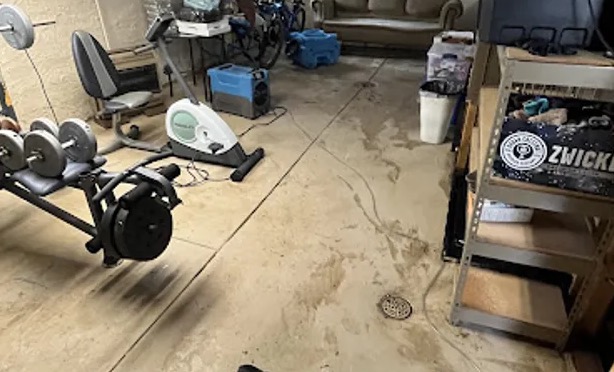
Museum Damage Restoration Experts Serving Long Island
Museum damage in Long Island usually starts with a burst pipe, a roof leak or a storm. Getting water away from exhibits and archives fast limits the loss.
Museums and archives in Long Island, Ronkonkoma, Central Islip and Oakdale can get help with water, mold and smoke damage. Facility managers can call (516) 475-5895 at any hour to describe the damage.
Detailed Museum Damage Restoration Offerings in Long Island
Sewage Backup Cleanup
Sewage backup cleanup in museums handles contaminated water that is a health risk and can destroy collections. Contaminated water is removed and the space is disinfected.
Museum Mold Remediation
The goal of museum mold remediation is to remove the contamination source while preserving the affected artifacts.
HVAC System Water Damage Restoration
When water or fire affects a museum's HVAC system, the stable environment for collections is compromised. Ductwork is dried, filters replaced and systems restarted to protect artifacts.
Storm Damage Structural Drying
This prevents rot, hidden mold and long-term weakness in the building. Moisture meters and thermal imaging help local pros track drying progress inside walls and under floors.
Archival Document Drying Services
The drying process for wet archives involves careful handling and separation of pages to avoid blocking and adhesion.
Warning Signs You Need Museum Damage Restoration in Long Island
Warped Archival Storage Cabinets
Swollen wood or metal on document storage units points to humidity issues. Local museum damage pros can assess the moisture source.
Pooled Water in Collection Storage
Standing water near artifact storage is an emergency. Fast water extraction for art collections prevents irreversible harm.
Sewage Odor in Public Restrooms
Foul smells near plumbing fixtures can indicate a backup. Sewage backup cleanup in museums prevents contamination of nearby galleries.
Water Dripping From HVAC Vents
Condensation or dripping from air systems risks artifact damage. It is a key reason to restore the HVAC system after water damage.
How Museum Damage Restoration Works in Long Island
Step 1: Disaster Scene Security and Assessment
The first action is to secure the area from further damage and perform a thorough assessment. The pros identify all affected artifacts and materials.
Step 2: Targeted Water Extraction and Removal
Pumps and extractors remove water from delicate areas, with gentle methods near fragile items.
Step 3: Environmental Drying for Preservation
The building's climate is aggressively restored using dehumidification. Climate control after water damage stabilizes temperature and humidity.
Step 4: Collection Cleaning and Sanitization
Every salvageable item is cleaned, deodorized, and sanitized as needed. This phase completes the fire damage restoration for museums or water damage recovery process.
What Causes Damage in Long Island Museums
Natural Disaster Flooding
Rising rivers or streams after heavy rain can flood ground-floor galleries and storage rooms.
Chronic High Indoor Humidity
Faulty climate control promotes mold growth on organic collections. Museum mold remediation corrects the issue and treats affected materials.
Sewer Line Backups
Municipal sewer issues or blockages can force contaminated water into basements. Sewage cleanup protects health and the collection.
HVAC Condensation Line Failures
Clogged or broken drain lines can leak water into walls, where hidden moisture leads to mold.
Comprehensive Museum Damage Restoration Across Long Island
Water Damage Help for Homes
While Museum Damage Restoration typically serves public institutions, private collectors in Long Island face similar risks. Water from a leaky roof or burst pipe can ruin a personal art collection.
Museum Damage Restoration for Owners and Managers
Museums, archives, and historical societies in Long Island require specialized disaster response. A sewage backup or fire can threaten irreplaceable cultural assets.
Museum Damage Restoration vs. DIY: When to Call Local Pros
For a minor sewage backup confined to a staff restroom with no collection exposure, you may carefully remove excess water with a wet vacuum designated for contaminants. Always wear protective gear. For any sewage exposure near galleries, professional sewage backup cleanup in museums is non-negotiable for health.
Evaluating Museum Damage Restoration Expenses in Long Island
Pricing for museum damage restoration in Long Island depends on the damage source, such as contaminated sewage versus clean water, and the square footage of affected exhibit and storage areas. Structural drying needs are assessed.
HVAC System Involvement
Restoring climate control after water damage often requires cleaning ductwork and servicing units, adding to the overall scope of the drying project.
Contamination Level
Sewage backup cleanup requires rigorous biocontainment and disinfectant protocols not needed for clean water leaks, affecting safety procedures and material costs.
Mold Remediation Scope
Visible mold on display cases is a smaller project than systemic museum mold remediation within wall cavities and air handling units.
Does Insurance Cover Museum Damage Restoration?
Determining if insurance covers fire damage restoration for museums requires reviewing your policy. Specialists document the soot and water damage extensively. It is your responsibility to file the claim and confirm coverage specifics with your insurance agent.
Benefits of Local Pros for Museum Damage Restoration in Long Island
Specialized Artifact Handling
Processes are designed for delicate items. This careful approach is central to museum artifact salvage and preventing further damage during the pack-out phase.
Detailed Damage Documentation
Thorough photo and moisture documentation is standard. This creates a clear record for your institution's assessment and any necessary insurance processes.
Containment Protocols
Work areas are sealed to protect unaffected collections. This is especially important during museum mold remediation to prevent spore migration to clean zones.
Emergency Museum Damage Restoration Response for Long Island Museums
Fire and water damage can devastate displays. For exhibit fire damage cleanup and subsequent drying to salvage what is possible, help is available. Contact specialists at (516) 475-5895 in Long Island.
Call Now (516) 475-5895Local Museum Damage Restoration for Long Island, Ronkonkoma, Central Islip and Oakdale
Flood restoration and emergency services help preserve history in Long Island. Local specialists are equipped to assist your institution and others in communities such as Ronkonkoma, Central Islip and Oakdale.
Common Museum Damage Restoration Queries Answered
Can water-damaged archival documents be saved?
Yes, if archival documents are dried by professionals. Specialists use controlled environments to slowly dry papers, photographs, and maps to prevent sticking, ink run, and permanent distortion.
What is involved in museum damage restoration?
The work involves securing the site, extracting water, drying structures and collections with climate control, cleaning soot or contaminants, and salvaging artifacts using IICRC-standard methods for sensitive materials.
What documentation is needed for insurance after museum damage?
Detailed photos, moisture meter readings, logs of affected items, and a narrative of the event and response are compiled by the pros for you to submit with your insurance claim.
What steps are involved in drying a museum's structure after storm damage?
Air movers and dehumidifiers are placed carefully to dry thick walls and hidden cavities without harming original materials.
How is exhibit fire damage cleanup handled?
The process involves soot removal from surfaces and artifacts, odor neutralization, and addressing any water used by firefighting. Special cleaning agents are used on sensitive display materials.