Long Island, NY · Nassau and Suffolk counties
Warehouse Damage Restoration in Long Island, NYWarehouse Sewage Backup Cleanup & Warehouse Structural Drying
Warehouse Damage Restoration in Long Island covers warehouse flood water extraction, warehouse sewage backup cleanup and warehouse structural drying.
Answered 24/7
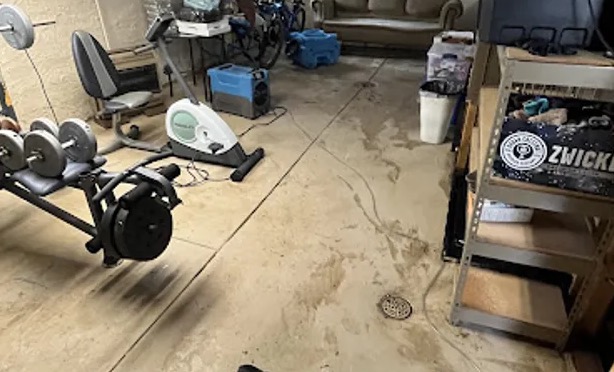
Warehouse Damage Restoration Services for Long Island
In Long Island, flood cleanup protects warehouse stock from further damage after a storm or pipe failure. Moisture inspection finds water hidden in walls, racking areas and the slab.
Warehouses in Long Island can face water, sewage or fire damage that disrupts shipping. Local pros extract water and dry these large buildings, also serving properties in nearby areas like Ronkonkoma, Central Islip and Oakdale.
Warehouse Damage Restoration Services in Long Island
Warehouse Sewage Backup Cleanup
Pros remove raw sewage and disinfect floors and surfaces to keep warehouses in Long Island safe for workers.
Warehouse Structural Drying
Pros monitor moisture in floors and walls while dehumidifiers dry the large building.
Emergency Warehouse Water Removal
High-capacity equipment removes bulk water quickly, which every later drying step depends on.
Warehouse Mold Remediation Services
The damaged area is isolated first, then specialists remove and clean materials following set procedures.
Warehouse Water Damage Cleanup
Pros dry affected materials with commercial equipment and take photos and readings for your records.
Indicators for Emergency Warehouse Water Removal
Sagging or Compromised Drywall
Bulging interior walls show water has soaked into the drywall and framing.
Standing Water in Aisles
Puddles or pooled water in warehouse aisles point to flooding or a leak that needs extraction.
Visible Mold Growth
Dark spots on walls or stored goods show areas that have stayed wet for too long.
Wet or Damaged Inventory
Wet boxes or goods are a clear sign of water intrusion that needs fast attention.
How Warehouse Damage Restoration Works in Long Island
Step 1: Secure the Structure
Pros make the warehouse safe, addressing electrical hazards and stopping water from entering.
Step 2: Large-Scale Water Extraction
Industrial pumps and extractors remove thousands of gallons of water from the property.
Step 3: Comprehensive Moisture Control
Air movers and desiccant dehumidifiers create a controlled drying environment throughout the building.
Step 4: Cleaning and Air Scrubbing
Surfaces are cleaned and HEPA air scrubbers remove airborne particles and smoke residue.
What Causes Damage in Long Island Warehouses
Loading Dock Door Failures
A damaged dock door or failed seal lets wind-driven rain into the warehouse and onto the loading area floor.
Fire Suppression System Discharge
Sprinkler activation or firefighting leaves large amounts of water on floors and stock that must be removed quickly.
Sewage Main Backups
City sewer problems can push contaminated water back up through floor drains and spread it across the slab.
Roof Leaks From Storms
Heavy wind and rain can breach a warehouse roof and let water run down walls and onto racking and stock.
Industrial and Commercial Restoration in Long Island
Water Damage Help for Homes
Storm damage to a detached garage needs tarping and water removal first, then drying and repairs to the structure.
Warehouse Damage Restoration for Owners and Managers
Warehouse storm restoration includes temporary roof repairs, extracting water from large floors and structural drying of the whole building.
When DIY Fails for Warehouse Mold Remediation
Look for dark spots or damp patches on small, reachable areas. If damage covers more than a few square feet, leave it alone and call professionals to contain it.
Cost Considerations for Warehouse Water Damage Repair
The final invoice in Long Island reflects how complex the emergency response was and how long pros were on site.
Access and Complexity
High ceilings, mezzanines or dense racking make extraction and drying slower and harder.
Warehouse Square Footage
The total area affected sets the labor, equipment and materials needed for the job.
Content Cleaning Volume
The amount of stock, pallets or machinery needing cleaning changes the project scope.
Does Insurance Cover Warehouse Damage Restoration?
Pros create a file of the damage, including moisture maps and drying logs, that you use when filing your claim. Verify what your commercial policy covers in Long Island.
The Value of Local Warehouse Water Removal Experts
Coordinated Service Scope
Water removal, drying and cleaning are planned as one coordinated sequence for the building.
Detailed Moisture Documentation
Moisture inspection and mapping give a clear record of the damage and the drying progress.
24/7 Emergency Response
Quick action limits secondary damage to stock and the building after a large water event.
24/7 Emergency Warehouse Damage Restoration in Long Island
Fire leaves soot, water and odors that need prompt attention. For warehouse fire cleanup in Long Island, call (516) 475-5895 for 24/7 emergency service.
Call Now (516) 475-5895Nearby Areas for Warehouse Damage Restoration in Long Island
Moisture inspection and dehumidification for warehouses are available in Long Island and nearby Ronkonkoma, Central Islip and Oakdale.
Your Warehouse Damage Restoration Questions Answered
What is involved in warehouse flood water extraction?
Industrial pumps and extractors remove standing water, then moisture mapping guides the structural drying.
Is commercial dehumidification different from residential?
Yes. Commercial units are much larger and move far more air, which large warehouses need.
What steps are taken for commercial fire damage cleanup?
Securing the building, removing soot and odor and drying the water left from firefighting.
What does a warehouse moisture inspection involve?
Moisture meters and thermal cameras find hidden water and show where drying equipment should go.
Why should damage be documented carefully for an insurance claim?
Photos, moisture readings and logs give objective evidence of the loss for your insurer.