Long Island, NY · Nassau and Suffolk counties
Crawlspace Encapsulation in Long Island, NYCrawlspace Ventilation Modification & Crawlspace Vapor Barrier Installation
Crawlspace Encapsulation services in Long Island by vapor barrier installation pros include crawlspace wall sealing, crawlspace insulation upgrade, and crawlspace dehumidifier installation.
Answered 24/7
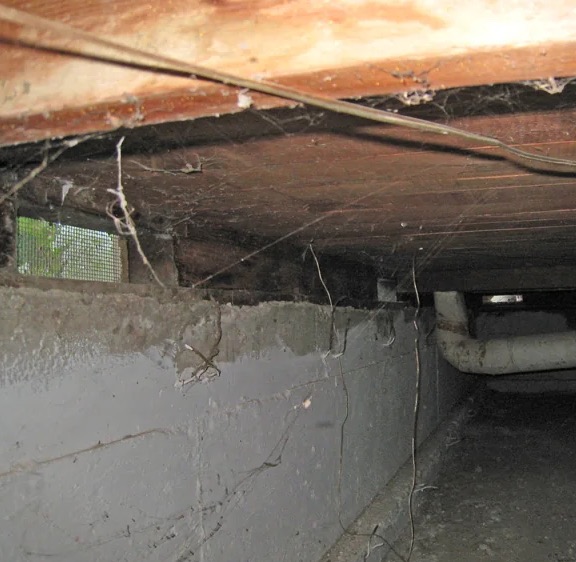
Crawlspace Encapsulation Solutions in Long Island, New York
For a home in Long Island, crawlspace waterproofing is not just about preventing puddles; it's about stopping ground vapor from raising humidity levels and compromising insulation performance year-round.
Properties in Long Island and nearby areas like Ronkonkoma, Central Islip and Oakdale often require crawlspace encapsulation due to soil moisture and seasonal humidity shifts. The experts install vapor barriers and dehumidifiers suited to local conditions.
Crawlspace Encapsulation Services in Long Island
Crawlspace Ventilation Modification
Current vent locations and airflow are checked first. Encapsulation experts then seal vents securely and integrate any necessary fresh air intake into the overall mechanical design of the encapsulated crawlspace system.
Crawlspace Vapor Barrier Installation
Installing a crawlspace vapor barrier involves careful preparation of the ground surface and precise fitting around piers and utilities.
Crawlspace Drainage Solutions
Persistent standing water or frequent dampness in a crawlspace requires a drainage assessment. The pros find where water gets in and fix it so the system sits on a dry base.
Crawlspace Pest Exclusion
Sealing out pests complements encapsulation. A sealed crawlspace without rodents or insects has fewer odors and less risk of chewed wiring or ducts.
Crawlspace Insulation Upgrade
Upgrading crawlspace insulation during encapsulation improves comfort upstairs. Closed-cell spray foam or rigid foam board is often installed on the walls or under the floor to cut heat loss.
Indicators Your Long Island Home Needs Crawlspace Encapsulation
Spiking Energy Bills
Your HVAC system works overtime to combat constant humidity and temperature extremes from an unsealed crawlspace.
Increased Allergy or Asthma Symptoms
Poor air quality from a damp crawlspace can aggravate respiratory issues for occupants living in the home above.
Rust on Metal Components
HVAC ducts, plumbing pipes, or electrical boxes corroding prematurely point to excessive humidity in the crawlspace air.
Puddles or Standing Water
Water accumulation on the crawlspace floor, even after mild rain, shows a failure in basic drainage and waterproofing.
How Crawlspace Encapsulation Works in Long Island
Step 1: Damage Documentation and Planning
Pros document existing conditions with photos and readings, which can be useful for insurance, and plan the encapsulation scope and material needs.
Step 2: Crawlspace Waterproofing Measures
If needed, drain tile or a sump pump handles groundwater before sealing.
Step 3: Full Encapsulation Barrier Installation
The key step involves installing the encapsulation barrier, sealing it to piers and walls to isolate the space from the earth.
Step 4: Ventilation Modification and Finishing
Passive or mechanical crawlspace ventilation is configured to work with the sealed system, and insulation is added to finished walls if specified.
Sources of Humidity That Lead to Crawlspace Encapsulation in Long Island
Ground Moisture Evaporation
Water evaporates from damp soil, raising humidity and introducing vapor into the crawlspace and home above it.
Poor Exterior Drainage and Grading
When yard slopes toward the foundation, rainwater pools and seeps into the crawlspace, causing persistent dampness.
Vented Crawlspace Design Flaw
Traditional vented designs allow warm, humid outside air inside, where it condenses on cooler surfaces.
Insufficient or Damaged Insulation
Wet, sagging, or missing insulation fails to control temperature, leading to condensation and higher energy loss.
Crawlspace Encapsulation for All Properties in Long Island, NY
Residential Crawlspace Encapsulation
Residential encapsulation focuses on creating a conditioned, or semi-conditioned, space that no longer feeds dampness into the home.
Commercial Crawlspace Encapsulation
In commercial settings, encapsulation is often part of a larger building envelope strategy. It secures the foundation perimeter, integrates with exterior waterproofing, and supports long-term asset preservation by preventing decay of structural supports and subflooring.
Hiring Vapor Barrier Installation Pros vs. DIY Crawlspace Encapsulation in Long Island
A visual inspection with a flashlight can reveal obvious puddles, mold growth, or damaged insulation. Wearing protective gear, a property owner might remove debris or stored items blocking airflow.
Understanding Crawlspace Encapsulation Costs in Long Island
Factors affecting crawlspace encapsulation cost around Long Island include the extent of existing moisture damage and the chosen solutions. Integrating drainage or mold remediation alongside the encapsulation will adjust the final investment.
Crawlspace Square Footage
The total area to be encapsulated directly influences material amounts and labor time for vapor barrier installation and sealing.
Drainage Requirements
Integrating crawlspace drainage solutions, like a sump pump, adds complexity and components to the overall crawlspace waterproofing system.
Ventilation Modification
Closing off or installing new crawlspace ventilation often requires custom sealing work and can influence air handling needs.
Does Insurance Cover Crawlspace Encapsulation?
Insurance policies vary greatly on crawlspace moisture control. Encapsulation for general crawlspace moisture prevention is typically not covered, but if mold remediation is required due to a sudden leak, that portion might be. The specialists provide evidence for your insurer to review.
Why Long Island Homeowners Trust Local Pros for Crawlspace Encapsulation
Detailed Damage Documentation
For potential insurance claims, pros document pre-existing conditions and moisture readings with photos and detailed notes for your records.
Holistic Home Health Focus
Proper crawlspace encapsulation improves indoor air quality and helps protect floor structures from rot and moisture-related damage.
Industry-Standard Methods
Assessment, barrier installation and moisture control follow industry standards for sealed crawlspaces.
24/7 Emergency Crawlspace Encapsulation in Long Island
An overflowing sump pump or leak saturating your crawlspace liner demands professional attention day or night. To secure emergency water extraction and drying for your home, contact local pros directly at (516) 475-5895.
Call Now (516) 475-5895Providing Crawlspace Encapsulation to Long Island and Nearby Communities
In Long Island and communities like Ronkonkoma, Central Islip and Oakdale, crawlspace encapsulation is a proven method for eliminating ground moisture vapor and stabilizing home foundations.
Frequently Asked Questions About Crawlspace Encapsulation
Can encapsulation help with crawlspace pests?
Yes, a properly sealed encapsulation system acts as a crawlspace pest exclusion barrier, closing off entry points and removing the damp habitat that attracts insects and rodents.
How is a crawlspace sump pump integrated?
A sump pump in a pit collects water from drain tile or seepage and pumps it away.
Can a wet crawlspace be encapsulated?
No, standing water or saturated soil must be addressed with crawlspace drainage and drying first. Encapsulation is performed on a dry, prepared substrate for the vapor barrier to adhere properly.
How does encapsulation improve indoor air quality?
By sealing out damp soil air and mold spores, crawlspace encapsulation prevents these contaminants from rising into your living spaces, significantly improving the home's overall air quality.
What's the difference between encapsulation and a vapor barrier?
A vapor barrier is just the liner. Full crawlspace encapsulation includes the barrier, complete sealing, a dehumidifier, and often ventilation changes for a total moisture control system.