Long Island, NY · Nassau and Suffolk counties
Mold Inspection & Testing in Long Island, NYSurface Mold Sampling & Wall Cavity Mold Inspection
Mold Inspection & Testing in Long Island includes post-remediation mold verification, mold air quality testing, and surface mold sampling.
Answered 24/7
Mold Inspection & Testing Services for Long Island Homes
Musty smells or allergy symptoms can signal hidden mold contamination. A professional mold inspection and testing service provides the definitive answer.
Mold assessment in Long Island addresses local influences on mold growth in enclosed spaces. Local mold assessment experts perform HVAC mold inspection and attic detection to pinpoint issues. They also offer testing and inspection in Ronkonkoma, Central Islip and Oakdale.
Comprehensive Mold Inspection & Testing for Long Island
Surface Mold Sampling
This procedure collects mold from household surfaces. The experts follow IICRC-standard methods to gather material for laboratory identification. Knowing the mold type helps plan safe removal.
Wall Cavity Mold Inspection
Wall cavity mold inspection checks hidden spaces behind drywall for moisture and mold. Moisture meters detect elevated humidity that fosters hidden colonies. This matters where leaks can go unnoticed.
Basement Mold Testing
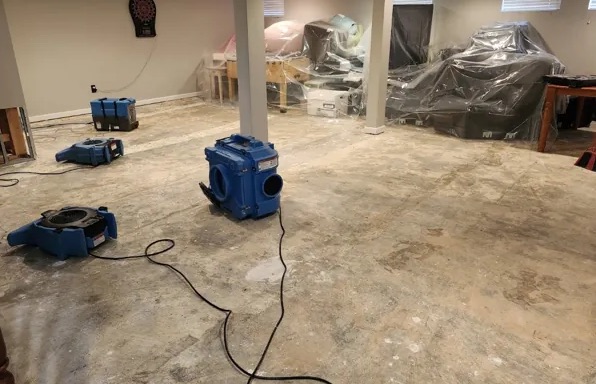
This inspection focuses on the basement, a primary reservoir for mold. It covers wall cracks, floor drains, and dehumidification systems. Sampling accounts for higher humidity and different air dynamics. The results guide drying or cleanup plans.
Crawl Space Mold Testing
Testing a crawl space for mold involves moisture readings, visual checks of framing and insulation, and air or surface sampling. Results guide drying and cleanup decisions for properties in Long Island.
Attic Mold Detection
An attic mold detection service focuses on this structural space's unique conditions. Thermal imaging might look behind insulation. Detection helps safeguard the structure and air below.
Signs of Mold Requiring Mold Inspection & Testing in Long Island
Musty or Earthy Odors
A lasting damp smell often means mold is growing inside walls or other hidden spaces.
Visible Mold Patches
Dark spots, fuzzy mold or discoloration on walls, ceilings or baseboards indicate mold contamination.
Deteriorating Attic Insulation
Wet or damaged insulation in the attic is a prime site for attic mold detection.
Warped or Buckling Flooring
Moisture under floors feeds mold, and basement testing or wall cavity checks can find it.
How Mold Inspection & Testing Works in Long Island
Step 1: Initial Visual Mold Assessment
The pros begin with a detailed visual inspection of your property, looking for visible mold, water stains and moisture indicators.
Step 2: Comprehensive Mold Air Testing
Professionals collect air samples from multiple rooms to measure spore counts and assess overall indoor air quality.
Step 3: Targeted Surface Mold Sampling
Using swabs or tape lifts, the specialists take direct samples from suspected surfaces for precise laboratory analysis.
Step 4: Detailed Findings Report Delivery
You receive a clear report detailing the type, concentration and location of any mold contamination found during the inspection.
Why Mold Develops in Long Island Structures
Post-Remediation Residual Moisture
Incomplete drying after prior water damage repairs can leave residual moisture, allowing mold colonies to regrow silently inside walls.
Roof Leaks and Intrusions
Water entering through compromised roofing soaks insulation and framing, promoting attic mold detection needs.
Faulty Appliance Water Lines
Leaking refrigerator, washer, or dishwasher supply lines can saturate adjacent floors and wall cavities over time, often going unnoticed.
Inadequate Crawlspace Ventilation
Trapped ground moisture evaporates into the home, elevating humidity and mold risks in lower areas.
Both Residential & Commercial Mold Inspection & Testing in Long Island
Residential Mold Inspection & Testing
Home inspections cover concerns like black mold in damp bathrooms or under sinks. The specialists use professional mold inspection tools to give homeowners actionable reports.
Commercial Mold Inspection & Testing
For stores and offices, assessments cover ceilings, wall cavities and utility closets. The experts document all findings for property managers and insurance review.
Hiring Mold Assessment Experts for Mold Inspection & Testing in Long Island vs. Doing It Yourself
Regularly clean and inspect HVAC drip pans and replace filters to maintain airflow. You can look for condensation on windows or pipes as a sign of high humidity. Never ignore a persistent musty odor or attempt to assess black mold yourself.
Factors Affecting Mold Inspection & Testing Cost in Long Island
Pricing for home mold testing services in Nassau and Suffolk counties reflects the square footage inspected and number of samples taken. Testing the HVAC system for mold contamination adds another layer to the standard inspection.
Inspection Scope
A full-home mold assessment costs more than a targeted check of one room like a bathroom.
Service Urgency
A mold inspection for a suspected emergency may affect scheduling and pricing. Help is available 24/7 for urgent situations.
Area Accessibility
Inspecting confined spaces like wall cavities or attics can be more labor-intensive. Difficult access may require special tools or more time for the experts.
Does Insurance Cover Mold Inspection & Testing?
Home mold testing costs are sometimes covered if the inspection proves the mold stems from a covered incident, like storm damage. Final reimbursement is determined by an insurance company's assessment of the submitted documentation.
The Value of Local Experts for Mold Inspection & Testing in Long Island
HVAC System Evaluation
The assessment includes checking your air handling units for mold, a common source of spore distribution. This completes the indoor air testing.
Clear, Actionable Reporting
You receive a straightforward summary of findings, including any recommended next steps. The report translates technical mold spore testing results into understandable terms.
Comprehensive Area Assessment
Inspection covers all potential hotspots, from bathroom mold to attic and basement mold testing. No area is overlooked in the search for hidden contamination.
24/7 Emergency Mold Inspection & Testing in Long Island, NY
If you see visible mold growth or smell a musty odor, it warrants immediate attention. Contact the experts for a mold inspection at (516) 475-5895.
Call Now (516) 475-5895Local Mold Inspection & Testing Serving Long Island, Ronkonkoma, Central Islip and Oakdale
Homeowners in Long Island and nearby Ronkonkoma, Central Islip and Oakdale can schedule mold testing. Inspections cover attics to basements using IICRC-standard methods.
Mold Inspection & Testing FAQ for Long Island Residents
Can mold inspection services determine if mold is active or old?
A professional inspection can often suggest this based on moisture levels and conditions, but lab analysis of samples provides more definitive clues.
What is included in a standard mold inspection?
A standard mold inspection includes a visual assessment for growth and moisture sources, often combined with mold air testing or surface sampling.
How does attic mold detection work?
Attic mold detection involves checking for moisture from roof leaks, poor ventilation, and condensation on insulation and sheathing.
What is the difference between mold air testing and surface sampling?
Mold air quality testing captures spore levels in your indoor air, while surface mold sampling involves swabs or tapes from visible mold.
How accurate are DIY mold test kits compared to professional inspection?
DIY kits can indicate mold presence but lack the controlled sampling and professional analysis of a full mold inspection service.