Long Island, NY · Nassau and Suffolk counties
Mold Structural Damage Restoration in Long Island, NYMold Contaminated Insulation Removal & Mold Damaged Flooring Removal
When mold causes structural damage in Long Island, Mold Structural Damage Restoration involves mold infested drywall removal, structural wood mold treatment, and HVAC duct mold cleaning.
Answered 24/7
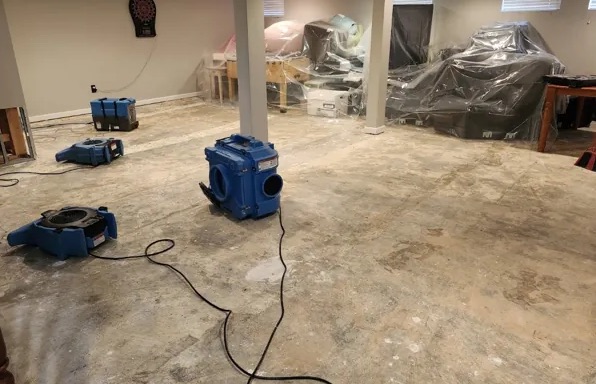
Mold Structural Damage Restoration Services for Nassau and Suffolk counties
In Long Island, leaks and floods can let mold grow inside walls and under floors. Early intervention limits the scope of required repairs.
In Long Island and nearby areas like Ronkonkoma, Central Islip and Oakdale, structural mold usually comes from water that was never fixed. Properties benefit from quick action to prevent further compromise. Local water damage restoration experts remove black mold and repair the structure afterward.
Mold Structural Damage Restoration Services for Long Island
Mold Contaminated Insulation Removal
Local mold remediation pros perform full insulation removal. They extract all contaminated batts or blown-in material to clear the way for a fresh layer.
Mold Damaged Flooring Removal
The pros in Long Island handle mold under flooring. They pull up material, assess the subfloor, and dispose of contaminated flooring properly.
HVAC Duct Mold Cleaning
In Long Island, HVAC systems can harbor mold, especially after water damage. The pros offer duct cleaning services to remove this contamination at its source, helping you breathe easier.
Structural Wood Mold Treatment
The pros assess penetration depth on load-bearing wood. They clean the wood and apply a mold-inhibiting sealant.
Post-Remediation Structural Drying
Structural drying removes the latent moisture that initially caused the mold problem. The process employs high-volume airflow and desiccant dehumidification to dry wall cavities, subfloors, and framing from the inside out.
When to Call for Mold Structural Damage Restoration in Long Island
Allergy Symptoms Indoors
Sudden worsening of coughs, itchy eyes, or congestion at home can be a reaction to mold spores.
Musty Odors in Specific Rooms
A persistent earthy smell often signals hidden mold growth within walls, floors, or HVAC systems.
Recent Water Damage Stains
Discolored ceilings or walls from past leaks can create the perfect environment for mold.
Warping or Bubbling Drywall
When drywall softens, bulges, or shows bubbles, moisture and mold are likely inside the cavity.
How Mold Structural Damage Restoration Works in Long Island
Step 1: Source Stopping and Containment
The first action is to stop the water source if active and set up emergency mold containment to limit cross-contamination immediately.
Step 2: Systematic Demolition of Damaged Parts
Compromised structural elements are methodically removed. This often means removing drywall and opening subfloors.
Step 3: Deep Drying of Building Cavities
Industrial dehumidifiers and air movers dry wall cavities, joist bays, and subfloors thoroughly, a key phase in structural drying.
Step 4: Reconstruction Preparation and Documentation
Pros prepare the clean, dry area for rebuilding and provide documentation like photos and readings for your insurance claim review.
What Causes Mold Structural Damage
Appliance Overflow Incidents
Washing machine, dishwasher, or water heater failures can flood floors and walls, starting rapid mold growth.
Chronic Plumbing Leaks
Slow drips inside walls or under floors provide constant moisture, leading to extensive structural mold damage over time.
Flooding From Storms
Stormwater entering a home saturates porous building materials, requiring drying to prevent structural mold damage.
Leaking Window or Door Seals
Failed caulking or seals allow rainwater intrusion into wall cavities, leading to mold on framing and insulation.
Mold Structural Damage Restoration for All Property Types in Long Island
Residential Mold Structural Damage Restoration
Residential mold cleanup often involves delicate materials like plaster and historic wood. The specialists remove drywall and repair the structure while keeping the home's character.
Commercial Mold Structural Damage Restoration
In commercial settings, mold can spread quickly through shared HVAC systems. The experts clean ducts and dry the structure so air circulates safely.
Mold Structural Damage Restoration: Professional Help vs. Home Methods
A property owner can document visible damage by taking clear, dated photos of all affected areas for their insurance claim before any cleanup begins. Since coverage decisions belong entirely to the insurer, they should confirm policy specifics regarding mold structural damage restoration before authorizing any professional work to proceed.
Understanding Mold Structural Damage Restoration Costs in Long Island
Price depends on how much moldy material must be removed and how complex the repairs to load-bearing parts are.
Containment Level
Establishing negative air pressure and sealing off work zones adds to the project scope and required equipment.
Testing and Verification
Post-remediation mold testing to confirm clearance adds a final step and associated lab analysis fees.
Material Type
Costs differ between treating porous wood studs versus non-porous materials, as each requires specific mold removal and restoration approaches.
Does Insurance Cover Mold Structural Damage Restoration?
Insurance coverage for mold structural damage restoration often depends on the source of the moisture. The experts document all damage with photos and moisture readings for a homeowner's claim submission. The final coverage decision rests solely with the insurance adjuster; homeowners should always confirm specifics directly with their provider.
Why Long Island Properties Need Local Experts for Mold Structural Damage Restoration
Comprehensive Mold Removal
The process addresses both visible mold and hidden spores in materials like drywall, insulation, and subfloors.
Targeted Material Treatment
Each material gets its own procedure, such as structural wood versus ducts.
24/7 Emergency Response
Help is available to set up emergency mold containment and prevent further structural damage spread.
Emergency Mold Structural Damage Restoration Available in Long Island
When mold from water damage compromises your home's framework, urgent action is needed. Reach the specialists at (516) 475-5895 day or night to start containment.
Call Now (516) 475-5895Mold Structural Damage Restoration Near Long Island: Areas Served
For mold that has damaged the structure, not just the surface, it is available in Long Island. It covers areas like Ronkonkoma, Central Islip and Oakdale for tasks from containment to final drying.
Mold Structural Damage Restoration FAQs
Does mold testing happen before and after restoration?
Pre-testing can identify spore types and levels. Testing after remediation is standard to confirm cleanup and drying worked.
Can structural wood mold treatment save damaged beams?
If the damage is only on the surface, cleaning and antimicrobial treatment can often save the wood. Badly weakened load-bearing members may need to be reinforced or replaced by a contractor.
How is mold contaminated insulation removal performed?
Affected insulation is carefully bagged and removed, the cavity is cleaned and treated, and new insulation is installed only after the area passes mold inspection and is fully dry.
Can mold remediation and structural repair happen simultaneously?
The order matters: removal and containment come first, then structural drying, then any structural repairs.
What does subfloor mold remediation entail?
It involves accessing the subfloor, assessing damage, removing moldy sections, treating adjacent joists, and installing new subfloor material after structural drying is confirmed.