Long Island, NY · Nassau and Suffolk counties
Disaster Recovery Planning in Long Island, NYIT Disaster Recovery Planning & Emergency Response Plan Development
Disaster Recovery Planning in Long Island involves facility recovery strategy planning, IT disaster recovery planning, and employee recovery and relocation planning.
Answered 24/7
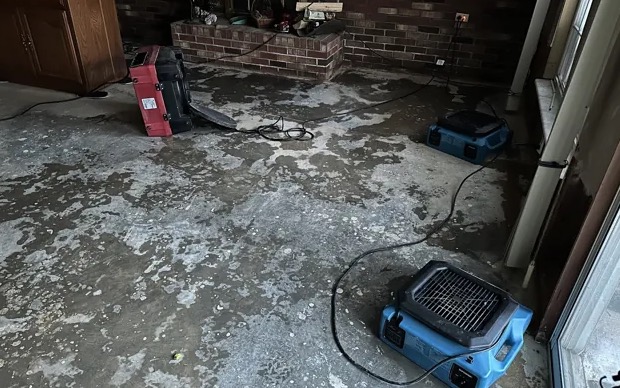
Expert Disaster Recovery Planning for the Long Island Area
Disaster recovery planning in Long Island supports long-term sustainability by preparing for crises before they occur. A contingency planning process addresses both the first days and the longer recovery phases.
Disaster recovery planning services in Long Island and neighboring communities like Ronkonkoma, Central Islip and Oakdale focus on building resilient organizations. Local disaster recovery pros write facility recovery and contingency plans. These plans provide clear, step-by-step instructions for leaders and staff to follow in an emergency.
Custom Disaster Recovery Planning for Long Island Organizations
IT Disaster Recovery Planning
IT disaster recovery planning lists the systems a Long Island business cannot run without and sets how fast each must be restored. Cloud backups and other technical steps are planned in advance.
Emergency Response Plan Development
Confusion after a disaster wastes valuable time. Professionals document clear protocols for different scenarios, from fires to floods. Everyone knows their first move to secure the site.
Crisis Communication Planning
Silence or mixed messages after a disaster can damage stakeholder confidence. Professionals develop a communication plan with holding statements for various scenarios. The business speaks with one accurate voice.
Employee Recovery Planning
Employee recovery and relocation planning accounts for personnel after an evacuation. It establishes reporting locations, remote work capabilities, and support resources. This keeps a Long Island workforce informed and functional.
Data Recovery Planning
Disaster recovery planners create redundant, separate backups and clear restoration protocols. Their plan helps a business in Long Island retrieve critical records and software without catastrophic loss.
When to Consider Disaster Recovery Planning in Long Island
Outdated Emergency Action Plans
Your current emergency response plan is several years old and may not reflect new technology or staffing changes. It is a common planning risk.
Missing Post-Disaster Restoration Plan
You have no defined steps for resuming normal business operations after a major event. A post-disaster restoration plan provides that critical roadmap.
Lack of a Formal Recovery Plan
Your business lacks a documented plan to recover data and operations after a major disruption. It is a gap in your preparedness plan.
Untested Emergency Response Protocols
Your emergency response planning exists only on paper and has never been practiced. An untested plan is often an ineffective plan during a real crisis.
How Disaster Recovery Planning Works in Long Island
Step 1: Discovery and Documentation
The planners begin by documenting all critical assets, data flows, and key personnel. This discovery phase builds the inventory for your disaster recovery plan.
Step 2: Emergency Response Plan Drafting
They draft the immediate action steps for various disaster scenarios, creating a clear and actionable emergency response plan for your staff to follow.
Step 3: Continuity Strategy Alignment
IT, facilities and personnel plans are aligned to the same recovery time objectives.
Step 4: Training and Maintenance Scheduling
They set a schedule for staff training, practice drills and regular plan updates.
Frequent Disaster Scenarios for Long Island Businesses
Supply Chain Disruptions
A key vendor going out of business or a logistics failure can halt your production. Supply chain contingency planning creates vital alternatives.
Cyberattacks and Data Breaches
Malware, ransomware, or hacking can cripple your IT systems and compromise sensitive information. Data recovery planning is a key defense against this.
Inadequate Previous Planning
The root cause is often simply not having a formal, tested plan in place. This lack of emergency response planning is the biggest risk of all.
Human Error or Sabotage
Accidental data deletion or intentional acts by personnel can cause major operational crises. Crisis management planning helps mitigate these human factors.
Residential and Commercial Disaster Recovery Planning in Long Island
Residential Disaster Recovery Planning
Residential contingency planning includes preparing for utility outages. The pros can guide families in Long Island, on creating emergency kits and documenting property for potential insurance claims.
Commercial Disaster Recovery Planning
Facility recovery planning sets up an alternate site or remote work. The planners map out IT system restoration and employee relocation to maintain client service levels.
Why DIY Disaster Recovery Planning Falls Short in Long Island
You can draft a simple crisis communication list with phone numbers for family members or key employees. Establish a primary and secondary method for making contact.
Understanding Disaster Recovery Planning Costs in Long Island
Local disaster recovery planning costs in Long Island reflect the effort needed to create actionable recovery strategies. It includes business interruption analysis and facility recovery protocols.
Facility Recovery Requirements
Planning for alternate workspaces or detailed facility recovery strategy planning for multiple locations increases the comprehensiveness and cost of the service.
Scope of Risk Assessment
A risk assessment planning process that identifies a wide range of threats, from cyber incidents to physical damage, increases the depth and cost of planning.
Regulatory Compliance Demands
Industries with strict data protection or operational continuity regulations may need more documented procedures within their disaster recovery planning.
Does Insurance Cover Disaster Recovery Planning?
Insurance coverage for disaster recovery planning depends on the specific business policy in New York. Some insurers view it as preventative. The pros document the risk assessment and plan development for a homeowner's claim. Property owners should confirm coverage with their insurer.
The Value of Local Disaster Recovery Planning Experts in Long Island
Comprehensive Risk Assessment Planning
Systematically evaluate potential threats to your people, property, and data to prioritize recovery efforts effectively.
Integrated Business Continuity Framework
All department plans are combined into one master strategy for the whole business.
Detailed Facility Recovery Strategies
Outline procedures for damage assessment, temporary relocation, and restoration of primary workspaces following physical disruption.
Emergency Disaster Recovery Planning Response for Long Island
For immediate consultation on emergency response planning following an incident at your Long Island facility, contact the pros at (516) 475-5895.
Call Now (516) 475-5895Disaster Recovery Planning for Long Island and Nearby Communities
Serving Long Island and surrounding locations like Ronkonkoma, Central Islip and Oakdale, the experts assist with developing integrated plans for business impact analysis and post-disaster restoration strategies.
Your Disaster Recovery Planning Questions Resolved
Why is documentation crucial in disaster recovery planning?
Clear documents let designated staff run the plan even when key people are unavailable.
What is the goal of facility recovery strategy planning?
Facility recovery strategy planning outlines steps for damage assessment, securing temporary workspace, and restoring your primary location to operational status following a physical disaster.
Does disaster recovery planning address fire recovery planning?
Absolutely. Disaster recovery planning includes specific strategies for fire recovery, covering emergency response, asset salvage, smoke damage mitigation, and rebuilding operational capacity.
How does crisis communication plan development work?
Crisis communication plan development establishes approved messaging channels, contact lists, and spokesperson protocols to manage information flow to employees, customers, and media during a business disruption.
What does employee recovery and relocation planning involve?
It covers employee safety, remote work options and temporary workspaces during and after an event.