Long Island, NY · Nassau and Suffolk counties
Snow and Ice Storm Damage Cleanup in Long Island, NYFrozen Pipe Burst Cleanup & Winter Storm Wet Drywall Removal
Snow and Ice Storm Damage Cleanup in Long Island covers frozen pipe burst cleanup, ice storm roof leak cleanup and winter storm structural drying.
Answered 24/7
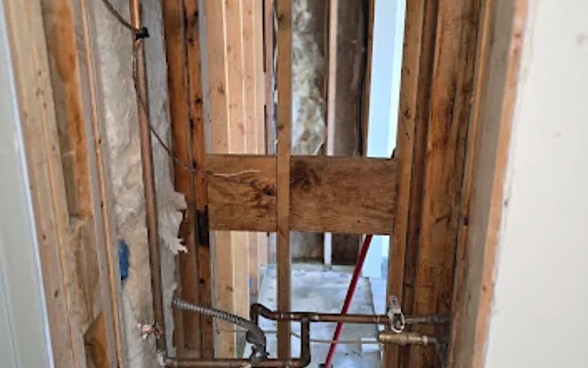
Ice Storm Damage Restoration in Long Island
A pipe that freezes during an ice storm often does not leak until it thaws. By then water may have run inside a wall or ceiling in a Long Island home for hours.
Local winter storm damage pros serve Long Island, Ronkonkoma, Central Islip and Oakdale after an ice storm or hard freeze, extracting water, removing wet insulation and drying the structure until readings are normal.
Winter Storm Water Removal in Long Island
Frozen Pipe Burst Cleanup
Burst pipes often let go when the temperature rises again. Standing water is pumped out and wet drywall, carpet and subfloor are dried or removed.
Winter Storm Wet Drywall Removal
Wet drywall that stays in place traps moisture inside the wall. Flood cuts remove the damaged part and let air reach the framing.
Ice Dam Leak Cleanup
Ice dam leaks show up as stains near exterior walls and ceiling corners. Water is removed from the attic and the wet drywall below is dried or cut out.
Winter Storm Structural Drying
Water that soaks into studs, joists and subfloor needs targeted drying. The pros run dehumidifiers and air movers until the framing reaches dry readings.
Ice Storm Roof Leak Cleanup
A roof damaged during an ice storm can leak for days. Water is cleared from the attic and ceilings, and a roofer handles the roof repair itself.
Signs of Water Damage After a Winter Storm
Musty Smell After the Storm
A damp, musty smell days after a storm means water is trapped somewhere it cannot dry on its own.
Stains Along Exterior Walls
Stains along exterior walls or under windows after a winter storm can come from wind-driven rain or a split pipe inside the wall.
Bubbling Paint or Soft Drywall
Paint that bubbles and drywall that feels soft show moisture inside the wall, which needs to be found and dried.
No Water From a Faucet
A faucet that stops running during a hard freeze usually means a frozen pipe. It may split and leak once it thaws.
How Snow and Ice Storm Damage Cleanup Works in Long Island
Step 1: Frozen Pipe Leak Assessment
The pros find where water spread from the burst pipe using moisture meters and thermal cameras.
Step 2: Water Removal From Floors and Walls
Standing water is extracted and wet wall cavities are opened where readings show trapped water.
Step 3: Drying Equipment Setup
Dehumidifiers and air movers are placed to move dry air across wet framing and subfloors.
Step 4: Daily Drying Readings
Readings are taken each day and equipment is adjusted until materials are back to normal.
Common Causes of Ice Storm Damage in Long Island
Frozen Supply Lines
Lines to washing machines, ice makers and outdoor spigots are often the first to freeze and split during a winter storm.
Roof Damage From Ice and Limbs
Ice-loaded tree limbs break and fall onto roofs, tearing shingles and opening holes that let water into the attic.
Leaks Found Late
Pipes that split while a home is empty during a storm can leak for days before anyone notices the damage.
Ice Dam Formation
Heat from the house melts roof snow, which refreezes at the eaves and forces meltwater under shingles into the attic.
Snow and Ice Storm Damage Cleanup for Homes and Businesses in Long Island
Residential Snow and Ice Storm Damage Cleanup
In homes, winter storm water usually comes from a burst pipe or a roof leak. The pros extract the water, remove wet drywall and insulation and dry each room.
Commercial Snow and Ice Storm Damage Cleanup
For businesses, the pros work to get the space usable. Large areas are extracted and dried in sections, planned around opening hours.
Winter Storm Water Cleanup: DIY or Professional?
If a pipe bursts, shut off the main water valve and turn off power to wet areas if it is safe. Call local winter storm damage pros for standing water, wet ceilings or water inside walls.
Estimating Ice Storm Damage Restoration Costs
Winter storm water damage in Long Island can cost more when attics and ceilings are involved, since insulation and drywall have to be removed.
Size of the Wet Area
More rooms and more wet walls mean more extraction time, more equipment and a longer drying period.
How Long Water Sat
Water extracted within a day causes less damage. Water from a pipe that leaked for days soaks deeper and costs more.
Drying Conditions
Cold, damp weather slows drying, so equipment may need to run longer to reach dry readings.
Does Insurance Cover Snow and Ice Storm Damage Cleanup?
Coverage depends on your policy and the cause of the water. The pros can provide photos and drying records, but only your insurer can confirm what is covered.
Reasons to Call Pros After an Ice Storm
Available Any Time
Winter storm leaks often start at night or on weekends. The pros can be reached at any hour to start extraction and drying.
Documentation for Your Claim
Photos, moisture readings and a written scope give your adjuster a clear record of the damage and the work done.
Drying in Cold Weather
The pros plan drying around cold, damp conditions and keep equipment running until readings are normal.
Emergency Winter Storm Water Removal in Long Island
Water from a frozen pipe spreads through walls and floors fast. Call (516) 475-5895 for emergency snow and ice storm damage cleanup in Long Island, at any time.
Call Now (516) 475-5895Where Snow and Ice Storm Damage Cleanup Is Available Near Long Island
From Long Island to Ronkonkoma, Central Islip and Oakdale, the pros remove winter storm water and dry homes and businesses.
Your Ice Storm Damage Questions Answered
What should I do while I wait for help?
Shut off the water, move valuables out of wet areas, take photos and stay out from under any sagging ceiling.
Can water damage from a winter storm cause mold?
Yes, if materials stay wet for more than a day or two. Fast extraction and drying help prevent it.
What causes ice dams?
Heat from the house melts roof snow, which refreezes at the cold eaves. The ice ridge then traps meltwater, which backs up under the shingles.
Can a wet ceiling be saved?
Sometimes. Drywall wet briefly by clean water may dry in place. A sagging or soaked ceiling usually has to be removed.
How soon should water be removed after a winter storm?
As soon as possible. Within a day or two, wet drywall, carpet and framing start to break down and the risk of mold rises.