Long Island, NY · Nassau and Suffolk counties
Tornado Damage Cleanup in Long Island, NYStructural Water Extraction & Roof Tarp Installation
Tornado Damage Cleanup in Long Island includes window board up services, post-storm mold prevention and storm debris removal.
Answered 24/7
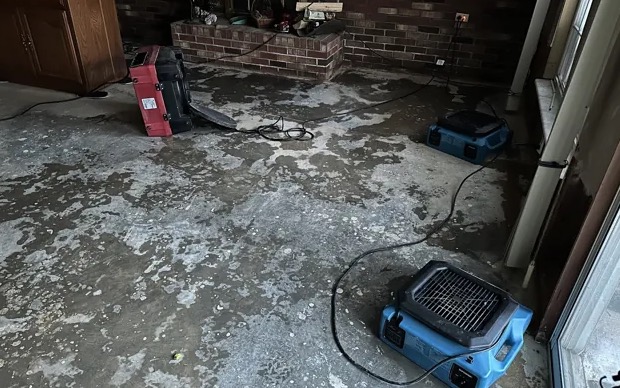
Tornado Damage Cleanup for Long Island Homeowners
Fast cleanup after a windstorm in Long Island keeps wet framing and drywall from rotting. Acting quickly limits long-term damage to the home. Pros tarp the roof, extract water and dry the structure in that order, so no wet area is missed.
Storm cleanup in Long Island and nearby areas like Ronkonkoma, Central Islip and Oakdale starts with closing the house to the weather. Local storm debris removal experts tarp roofs and extract water, since rain damage often follows the wind. Drying then starts in the wettest rooms first.
Comprehensive Tornado Damage Cleanup for Long Island
Structural Water Extraction
Truck-mounted pumps and subsurface tools remove bulk water before it weakens the structure further.
Roof Tarp Installation
A heavy tarp creates a temporary watertight barrier that keeps rain out while repairs are planned in Long Island.
Post-Storm Mold Prevention
EPA-registered antimicrobial solutions are applied during drying to surfaces soaked by storm water.
Storm Damage Water Removal
Standing water after a tornado or windstorm weakens the structure, so the experts in Long Island extract it.
Storm Debris Removal
Broken trees, building materials and scattered items are removed safely to create a secure work site.
Indicators of Storm Damage Needing Tornado Damage Cleanup
Missing or Broken Windows
Shattered windows are a safety hazard and let weather in until they are boarded.
Persistent Musty Odors
A musty smell soon after a storm means moisture is trapped in walls or floors.
Uprooted Trees Near the Structure
Fallen trees or limbs near the house can damage the structure and block access.
Standing Water Inside the Home
Standing water inside means the roof or walls are breached and extraction should start soon.
How Tornado Damage Cleanup Works in Long Island
Step 1: Damage Assessment and Tarping
The experts assess the wind damage and put temporary covers over the roof to stop leaks.
Step 2: Water Removal and Extraction
Pooled water is extracted with submersible pumps and vacuums to limit further damage.
Step 3: Demolition and Debris Management
Drywall, insulation and flooring that cannot be saved are removed along with storm debris.
Step 4: Drying and Dehumidification
Air movers and dehumidifiers run on a drying plan, with moisture meters tracking progress.
Understanding Tornado Damage Causes in Long Island
Fallen Trees and Limbs
Fallen trees and large limbs can crush roofs and break through walls.
Siding Detachment and Penetration
Wind can pry siding loose or drive objects through it, breaking the weather barrier.
Roof Membrane Failure
Strong wind uplift can peel roofing away and expose the deck to heavy rain.
HVAC and Vent Damage
Damaged roof vents and flues give rain a direct path into the attic and ducts.
Tornado Damage Cleanup for Homes and Businesses in Long Island
Residential Tornado Damage Cleanup
At home, safety comes first around unstable areas, followed by debris removal and cleaning of every affected surface.
Commercial Tornado Damage Cleanup
For multi-tenant buildings, pros coordinate board-up and drying in shared areas and individual units at the same time.
Tornado Damage Cleanup vs. DIY: When to Call Storm Debris Removal Experts
Clean hard surfaces that got wet with a mild detergent. Upholstery, carpet and important papers can be ruined by the wrong cleaning, so leave them to the pros.
Factors in Tornado Damage Cleanup Pricing for Long Island
The cost in Long Island depends on how much of the property was damaged by wind or water, and more debris removal and drying raise the scope.
Water Damage Severity
How much water got inside decides how much extraction and drying equipment is needed.
Property Size
Larger homes in Long Island need more equipment and labor for full cleanup.
Drying Time
Longer drying means more days of dehumidifiers and air movers running on site.
Does Insurance Cover Tornado Damage Cleanup?
Coverage varies by insurer and plan. Drying experts document moisture levels and structural damage, so check with your insurer about which services are included.
Advantages of Local Experts in Long Island for Tornado Damage Cleanup
Preventive Mold Protocols
Wet materials get antimicrobial treatment after drying to protect the indoor air.
Structural Stabilization
Roof tarps and window boards keep weather out while the house is repaired.
IICRC-Standard Methods
Drying and cleaning follow accepted industry standards so materials are properly restored.
24/7 Emergency Tornado Damage Cleanup in Long Island
After a tornado, call (516) 475-5895 for help. The pros are available 24/7 to tarp roofs and board up windows before more damage happens.
Call Now (516) 475-5895Tornado Damage Cleanup Near Long Island: Areas Served
Wind damage repair and cleanup are available in Long Island and nearby locations including Ronkonkoma, Central Islip and Oakdale.
Tornado Damage Cleanup FAQs
What does tornado damage cleanup involve?
Board-up and tarping, debris removal, water extraction, drying, cleaning of belongings and the final repairs.
What is the goal of content cleaning and pack-out?
To save belongings soaked by storm water by cleaning, disinfecting and storing them during repairs.
What tools are used for windstorm damage repair?
Carpentry tools for boarding, plus equipment for siding repair, roof work and interior rebuilding.
Why is immediate roof tarp installation important?
Tarping stops more rain from getting in, which prevents much larger interior water damage.
How does emergency tornado cleanup protect my home?
It removes water quickly, secures the roof and windows and stabilizes the structure to limit further damage.