Long Island, NY · Nassau and Suffolk counties
Moisture Mapping in Long Island, NYPost-Flood Moisture Analysis & Hidden Water Leak Mapping
Moisture Mapping in Long Island involves moisture meter readings, hidden water leak mapping and structural drying verification.
Answered 24/7
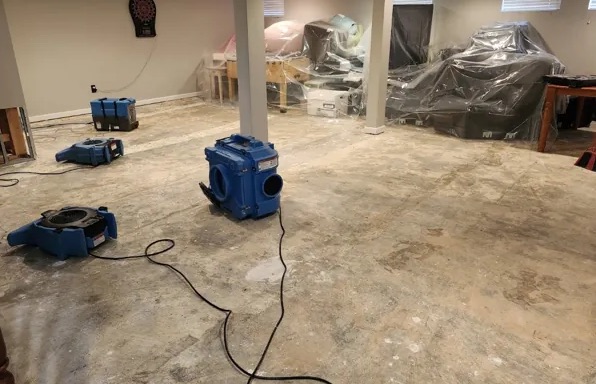
Accurate Moisture Mapping Services in Long Island, New York
In Long Island, moisture mapping is the first step after any water intrusion. Undetected dampness behind walls or under floors can lead to mold growth and wood rot, compromising your property's safety and value. A detailed survey pinpoints every wet area.
Help with moisture mapping is available for buildings in Long Island. The aim is to find all moisture, not just obvious pools. Local moisture mapping pros use infrared to spot temperature changes and meters to measure moisture. This dual-method approach covers hidden water damage and measurable moisture in structural materials. It forms the basis for a successful drying plan tailored to the specific conditions found.
Comprehensive Moisture Mapping and Detection
Post-Flood Moisture Analysis
After a flood, water can travel far from the original source. A full moisture analysis uses mapping to track this migration into wall bases, under cabinets, and within concrete slabs, forming the complete picture needed for a full restoration plan.
Hidden Water Leak Mapping
Hidden leak mapping traces the source and spread of leaks behind surfaces. Local water damage pros follow the moisture trail back to the source so the water can be stopped.
Structural Drying Verification
It proves the drying goals were met. The verification data helps protect homeowners in Long Island from future problems like mold growth or material failure that can occur if hidden moisture remains.
Water Damage Assessment
The assessment documents the origin, path and current extent of the water. The pros in Long Island use it to plan the work and document it for your insurer.
Moisture Meter Readings
In Long Island, professional moisture mapping includes systematic meter readings across all suspect areas. No wet material is missed, which protects the structure and indoor air.
Symptoms Requiring Moisture Mapping in Long Island
Air Conditioner Drainage Issues
A clogged AC condensate drain can overflow and soak the ceiling, walls or floor around the unit.
Mold Growth in Corners
Visible mold clusters in corners, behind furniture or under cabinets are clear indicators of a moisture problem.
Cracking Foundation Walls
Hairline cracks in basement or slab foundations may allow groundwater seepage, a cause for structural moisture inspection.
Condensation on Windows
Excessive window condensation can drip into wall frames, promoting hidden moisture damage and potential mold growth.
How Moisture Mapping Works in Long Island
Step 1: Humidity Mapping Baseline
The process begins with ambient humidity mapping to understand the general moisture conditions in the air throughout the affected space.
Step 2: Targeted Material Inspection
The pros then focus inspection on specific materials like drywall, wood and concrete using appropriate meter settings for each.
Step 3: Water Damage Assessment Synthesis
Findings from all tools are synthesized into a complete water damage assessment, identifying priority areas and the full extent of saturation.
Step 4: Drying Plan Development
The final moisture map directly informs the placement of drying equipment, creating a targeted plan for efficient structural drying verification.
Causes in Long Island That Make Moisture Mapping Necessary
Condensation Within Wall Cavities
Temperature differentials between interior and exterior surfaces cause vapor to condense inside walls unseen.
Appliance Supply Line Failures
Washing machine, dishwasher or refrigerator water line ruptures can flood floors and saturate hidden structural materials.
Roof Leaks and Ice Dams
Compromised shingles, flashing or ice dam backup allows water to seep into attics and down interior wall frames.
Poor Bathroom Ventilation
Inadequate exhaust fans let shower steam condense inside walls, a common cause for hidden water leak mapping.
Local Moisture Mapping for All Property Types in Long Island
Residential Moisture Mapping
Residential moisture mapping often focuses on living areas, basements and attics after leaks or floods. The pros check subfloors and use infrared to find all moisture and guide drying.
Commercial Moisture Mapping
In commercial buildings, mapping covers large floor areas, warehouse slabs and multi-story construction. The pros employ structural drying verification to confirm that building materials have returned to acceptable dryness levels post-mitigation.
Why DIY Moisture Checks in Long Island Fall Short
After a small, contained leak, you can dry the immediate area and watch for recurring issues. Check under sinks and around appliances regularly for new moisture. When problems are not obvious or cover large areas, a professional survey avoids missing hidden water that leads to mold.
Moisture Mapping Cost in Long Island, NY
Factors influencing moisture mapping expense include the square footage involved and whether hidden leaks behind walls or under floors must be located. The type of technology required and the detail needed in the final report also shape the cost.
Damage Extent
Widespread water intrusion demands extensive mapping with infrared inspection, increasing the assessment and documentation workload.
Drying Verification
Return visits to confirm structural drying completion with post-flood moisture analysis add to the total service steps.
Report Detail
Creating a thorough moisture map for your insurance claim involves detailed documentation, affecting the project timeline.
Does Insurance Cover Moisture Mapping?
Moisture mapping for a verified water loss event is often an allowable expense. The pros in Long Island document all findings with infrared inspection reports and moisture meter data for a claim file. The insurer ultimately determines reimbursement based on the policy; homeowners should review coverage details directly with their insurer.
The Value of Expert Moisture Mapping in Long Island
IICRC-Standard Methods
Moisture mapping follows industry protocols for accurate detection and clear, complete documentation.
24/7 Emergency Response
Fast moisture mapping is available around the clock to begin the water damage assessment process immediately.
Hidden Leak Identification
Mapping finds where hidden moisture starts and how far it spread inside walls, floors and cavities.
24/7 Moisture Mapping for Emergencies in Long Island
Discover a hidden leak or recent flood? Map moisture early. For emergency water damage assessment and infrared inspection in Long Island, call (516) 475-5895 24/7.
Call Now (516) 475-5895Local Moisture Mapping Coverage for Long Island, Ronkonkoma, Central Islip and Oakdale
Understanding hidden moisture requires professional mapping in Long Island. The pros survey moisture and map humidity for homes in Ronkonkoma, Central Islip and Oakdale, plus the local area.
Long Island Moisture Mapping: Your Questions Answered
How often should moisture mapping be repeated during drying?
Mapping is typically done at the start, during the process to adjust equipment, and at the end for final verification of drying completion.
Does leak detection mapping only find active leaks?
It aims to find the source of active intrusion, but can also map the extent of damage from past leaks that have left materials wet.
How is a wall cavity moisture survey performed?
Professionals use non-invasive infrared scanning and may drill small probe holes for moisture meter access to assess moisture levels within interior wall assemblies.
What technology is used for humidity mapping?
Beyond moisture meters, tools like thermo-hygrometers map ambient humidity, and infrared thermography helps visualize moisture-related temperature anomalies in building envelopes.
What is structural drying verification?
It is a final inspection with meters to confirm all structural materials reached a dry standard.