Long Island, NY · Nassau and Suffolk counties
Tile and Grout Water Damage Cleanup in Long Island, NYTile Subfloor Water Removal & Grout Water Extraction
Tile and Grout Water Damage Cleanup in Long Island includes water damaged tile cleanup, grout water extraction and wet tile drying services.
Answered 24/7
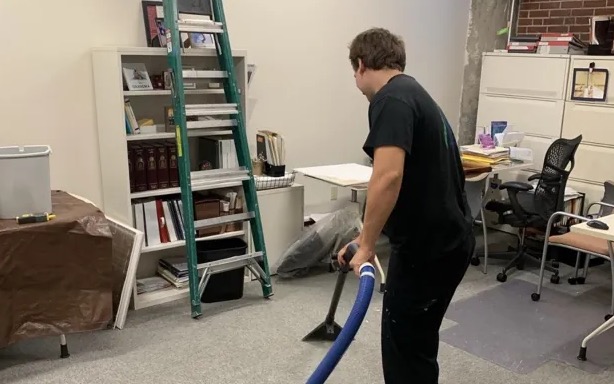
Tile and Grout Water Damage Cleanup Services Available in Long Island
Drying under the tile is a key step after any leak or flood in Long Island. Without it, tiles loosen, grout crumbles and wood subfloors rot over time.
In Long Island, standing water in bathrooms can seep under tiles and into walls. Local water damage restoration pros use targeted extraction and airflow to dry these areas and also help neighbors in Ronkonkoma, Central Islip and Oakdale.
Complete Tile and Grout Water Damage Cleanup Solutions
Tile Subfloor Water Removal
Pros dry the underlayment and floor below the tiles, using injection systems to prevent rot and tile lifting.
Grout Water Extraction
Extraction wands pull water out of porous grout lines before it weakens the grout or soaks the subfloor.
Water Damaged Tile Cleanup
Pros remove dirt and minerals left by water without damaging the glaze on ceramic, porcelain or stone.
Kitchen Tile Water Damage
Pros clean grease, food residue and standing water from kitchen tile after appliance leaks or sink overflows.
Bathroom Tile Flood Cleanup
Pros pay close attention to tile around toilets, tubs and showers, where water tends to collect.
Signs of Tile Water Damage and Grout Problems
Water Seeping From Under Tile
Water seeping up through grout lines after a flood means materials below are soaked.
Musty Odors From Tile Floors
A musty smell from a tile floor suggests grout and subfloor are holding water.
Visible Mold in Grout Lines
Dark spots in grout lines show the grout has stayed wet for too long.
Tile Discoloration From Leak
Tiles that change color or show water rings point to a leak below the surface.
How Tile and Grout Water Damage Cleanup Works in Long Island
Step 1: Flood Water Removal
After a bathroom flood, water is removed from the tile floor quickly to limit absorption.
Step 2: Detailed Moisture Mapping
Moisture in tiles, grout and nearby materials is mapped to plan the cleanup and drying.
Step 3: Applied Structural Drying
High-capacity drying equipment draws moisture from the tile assembly, surface and below.
Step 4: Post-Drying Tile Evaluation
Dried tiles and grout are checked, and any needed repairs are explained to the owner.
Common Causes of Tile and Grout Water Damage in Long Island
Roof Leak Dripping to Lower Floor
Water from a roof leak can travel through walls and reach tile floors below.
Improper Tile Installation
Tile installed without proper waterproofing or slope lets water get underneath over time.
Slab Leak Under Tile Flooring
Water seeping up from a cracked slab can soak tile flooring from below.
Natural Flooding From Storms
Storm runoff or groundwater can flood ground-level rooms that have tile floors.
Both Residential & Commercial Tile and Grout Water Damage Cleanup
Residential Tile and Grout Water Damage Cleanup
At home, water often hides under kitchen floors or in bathroom subfloors, and targeted drying prevents long-term damage.
Commercial Tile and Grout Water Damage Cleanup
In commercial buildings, water can cover large tiled lobbies or hallways, and pros use industrial equipment to dry them.
Tile and Grout Water Damage Cleanup vs. DIY: When to Call Local Pros
A small kitchen sink leak cleaned up right away may dry on its own. Water under appliances or warped flooring needs a professional assessment and targeted drying.
What Influences Tile and Grout Water Damage Cleanup Expense
After-hours emergency drying may cost more, and the area affected and number of air movers drive the price.
Drying Equipment Duration
Each day air movers and dehumidifiers must run adds to the overall cost.
Mold Presence
Contaminated grout found during extraction needs cleaning and disinfecting, which adds steps.
Emergency Response Timing
Service outside normal business hours, such as nights, weekends or holidays, may cost more than a scheduled visit.
Does Insurance Cover Tile and Grout Water Damage Cleanup?
For coverage, the incident usually must be sudden and accidental. The water damage restoration pros document the damage and work, and payment is between you and your insurer.
Reasons to Select Local Pros for Tile and Grout Water Damage Cleanup
Subfloor Moisture Assessment
Checking for water under tile prevents subfloor rot that weakens the floor.
Controlled Drying Environment
Air movers and dehumidifiers are placed to move air across the tile and into the joints.
24/7 Emergency Response
Fast water extraction limits how far moisture travels under tiles, keeping the job smaller.
24/7 Tile and Grout Water Damage Cleanup When You Need It
Soaked grout and wet tile floors cannot wait, since delay risks subfloor rot. Call (516) 475-5895 to reach the experts 24/7.
Call Now (516) 475-5895Tile and Grout Water Damage Cleanup Near Long Island: Areas Served
Shower leak drying and grout cleanup are available in Long Island, plus the wider area including Ronkonkoma, Central Islip and Oakdale.
Your Tile and Grout Water Damage Cleanup Questions Addressed
Can water under tile damage the subfloor?
Yes. Trapped water can rot wood subfloors and loosen tiles if it is not dried properly.
Why is grout water extraction important?
Grout absorbs water like a sponge and holds it against the tile and subfloor unless it is extracted.
How is kitchen tile water damage addressed?
Pros extract water, move appliances if safe, dry the tile and grout and check nearby cabinets for moisture.
Does wet grout always need replacement?
Not if it is dried promptly and completely, though heavily contaminated grout may need replacing.
What methods are used to check for water under tile?
Non-invasive moisture meters and thermal cameras detect moisture under the tile without causing damage.