Long Island, NY · Nassau and Suffolk counties
Desiccant Dehumidification in Long Island, NYHigh Capacity Dehumidification Rental & Commercial Building Desiccant Drying
Post-Flood Structural Drying, water damage drying systems, and industrial moisture removal form a Desiccant Dehumidification plan for Long Island.
Answered 24/7
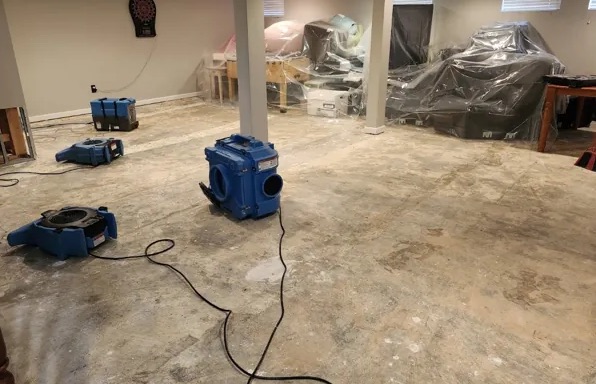
Desiccant Dehumidification Solutions in Long Island
When a property in Long Island suffers water damage, the clock starts ticking on secondary damage. Starting desiccant drying quickly cuts restoration time and cost.
For desiccant dehumidification on a property in Long Island, the drying setup depends on the building's size and materials. Local drying specialists assess each situation to choose the right drying methods. Nearby areas like Ronkonkoma, Central Islip and Oakdale are served too.
Comprehensive Desiccant Dehumidification Offerings in Long Island
High Capacity Dehumidification Rental
Renting high capacity dehumidification equipment tackles major moisture with professional tools. Desiccant rentals are valuable for low temperature drying or very low humidity. Correct placement maximizes efficiency for protecting contents and structure.
Commercial Building Desiccant Drying
For drying of commercial buildings, desiccant dehumidification provides a high-capacity, controlled approach. It generates a continuous flow of dry air to manage evaporation rates across large floor plans.
Industrial Moisture Removal
After major flooding in industrial buildings, drying gets production restarted. Desiccant dehumidification provides aggressive drying, often using multiple units in a directed airflow pattern.
Post-Flood Structural Drying
Post-flood structural drying removes moisture trapped in drywall, studs, and subfloors. Desiccant dehumidification creates a very dry environment, pulling water from porous materials.
Commercial Desiccant Dehumidification
After business water damage, commercial desiccant dehumidification creates dry conditions fast. Adsorption removes airborne moisture, which helps dry dense concrete and wood. It prevents secondary damage and can cut downtime.
How to Know You Require Desiccant Dehumidification in Long Island
Spongy or Soft Drywall Areas
Drywall that feels soft to the touch has soaked up water and needs to be dried or replaced.
Warped Wood or Swelling Materials
Warped wood floors or cabinets point to high moisture levels in the building.
Water Stains on Drywall or Ceilings
Brownish water stains often mark past leaks where residual moisture still lurks, needing extraction.
High Humidity Readings on a Meter
A moisture meter showing consistently high readings confirms the need for targeted desiccant drying process intervention.
How Desiccant Dehumidification Works in Long Island
Step 1: Assessment and Planning
The experts assess the extent of damage and plan the desiccant drying process, determining equipment needs and placement.
Step 2: Setup of Drying Systems
Water damage drying systems, including desiccant dehumidifiers and air movers, are set up to establish controlled drying zones for targeted treatment.
Step 3: Low Temperature Drying Cycle
The desiccant dehumidification cycle runs, using low temperature drying services to gently remove moisture without risking heat damage to sensitive materials.
Step 4: Completion and Documentation
After achieving dry standards, the process concludes. The pros document the results with readings for your insurance claim review.
Typical Events Requiring Desiccant Dehumidification
HVAC System Condensation Issues
Improperly draining AC units or humidifiers can distribute excess moisture through ductwork into the living space.
Foundation Cracks and Seepage
Cracks in a foundation can permit groundwater seepage, creating a constant source of dampness below grade.
Sprinkler System or Irrigation Faults
Landscape irrigation systems that leak or malfunction can soak exterior walls and seep into foundations.
Storm Driven Water Intrusion
Severe weather can force water through window seals, door frames, or other building vulnerabilities.
Long Island Desiccant Dehumidification for Residential and Commercial Clients
Residential Desiccant Dehumidification
In homes, desiccant dehumidification tackles heavy moisture from leaks or floods in living areas, protecting drywall, wood floors, and personal belongings.
Commercial Desiccant Dehumidification
For businesses, commercial desiccant dehumidification addresses large-scale water intrusion in warehouses, offices, or retail spaces, minimizing downtime. Industrial moisture removal processes protect inventory, machinery, and electrical systems from corrosion and mold growth.
Professional Desiccant Dehumidification or DIY Drying in Long Island
You can wipe down visible surfaces and set up portable fans to increase air circulation in the room. For deep-seated moisture in walls or under floors, contact the experts in Long Island for professional assessment and industrial drying services.
Understanding Desiccant Dehumidification Pricing in Long Island
The cost of desiccant dehumidification in Long Island is shaped by the severity of moisture intrusion and the size of the affected commercial or industrial space. Drying duration and the specific desiccant drying process required also influence final project pricing.
Project Scale
The size of the space sets how much equipment and labor the job needs.
Equipment Needs
The number of high capacity dehumidifiers, air drying equipment, and specialized water damage drying systems needed for the job influences rental and operational costs.
Process Specificity
Low-temperature drying for sensitive spaces needs special equipment and monitoring, which adds cost.
Does Insurance Cover Desiccant Dehumidification?
Decisions on insurance coverage for water damage drying systems and desiccant dehumidification are made by your carrier. The pros supply data logs and photos from the industrial drying services performed to aid your claim submission.
Why Choose Local Drying Specialists for Desiccant Dehumidification in Long Island
Industry-Standard Drying Methods
Drying follows industry guidelines and ends with checks against dry standard readings.
Detailed Damage Documentation
Documentation with moisture readings and photos is provided to support your insurance claim process for water damage events.
Process-Driven Approach
The focus is on the science of drying, monitoring conditions and adjusting the desiccant dehumidification strategy to achieve defined dryness goals.
24/7 Desiccant Dehumidification Available in Long Island
For emergency extraction and desiccant drying, contact local specialists any hour. Call (516) 475-5895 for help to begin the desiccant drying process.
Call Now (516) 475-5895Desiccant Dehumidification Service Area Around Long Island
Desiccant dehumidification for water damage drying methods and structural drying techniques is performed in Long Island, serving the local area and adjacent places including Ronkonkoma, Central Islip and Oakdale.
Your Desiccant Dehumidification Questions Addressed
How is the desiccant drying process monitored?
The desiccant drying process is monitored using moisture meters, hygrometers, and thermal imaging to track progress toward dryness goals and adjust the moisture removal strategy as needed.
Can desiccant dehumidification dry concrete effectively?
Yes. Desiccant drying creates low vapor pressure that pulls moisture from deep in the slab.
What triggers emergency moisture extraction service?
Floods, major leaks or firefighting water call for a 24/7 response to start drying.
What follows the industrial moisture removal phase?
Following the industrial moisture removal phase, a final verification is performed to confirm all materials meet dryness standards, and detailed documentation is provided for your records.
Why choose desiccant drying over other methods?
Desiccant drying is chosen for its ability to achieve very low humidity drying in cold temperatures and for deep drying in thick materials, a key advantage in industrial drying services.