Long Island, NY · Nassau and Suffolk counties
Smoke-Damaged Drywall Repair in Long Island, NYDrywall Sealing After Smoke & Emergency Smoke Cleanup
Professional Smoke-Damaged Drywall Repair in Long Island includes smoke damaged drywall cleaning, damaged drywall replacement and drywall sealing after smoke by local drywall repair experts.
Answered 24/7
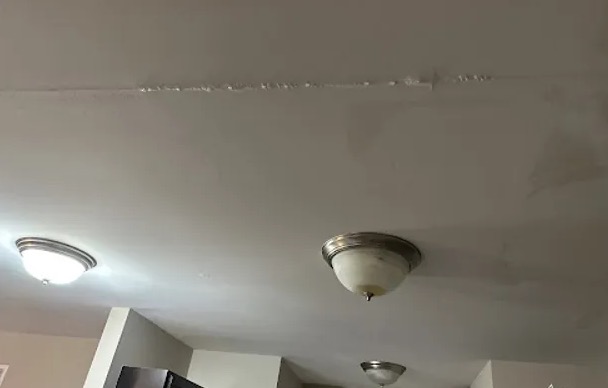
Expert Smoke-Damaged Drywall Repair in Long Island, New York
Smoke contamination in Long Island drywall needs expert work to remove residue and lasting smells. Repair cleans, fixes and deodorizes the walls, and local specialists respond day or night and document the damage for your claim.
Homes in Long Island and nearby areas like Ronkonkoma, Central Islip and Oakdale often need drywall repair after a fire. Local drywall repair experts clean drywall, remove soot and eliminate odor, with 24/7 emergency cleanup to keep soot from settling deeper into the walls.
Comprehensive Smoke-Damaged Drywall Repair Services
Drywall Sealing After Smoke
The experts seal cleaned drywall to trap odors and create a stable base, so smoke smells do not return.
Emergency Smoke Cleanup
After a fire, the experts secure the property, ventilate it and start removing soot to prevent more damage.
Soot Removal From Walls
Greasy soot smears easily, so pros lift it with dry cleaning sponges and HEPA vacuums before any wet cleaning.
Fire Damage Wall Repair
Pros remove blistered paint and damaged board, then install new backing and wallboard as needed.
Smoke Stain Treatment
Pros remove or seal yellow and black discoloration, using stain-blocking primers so stains do not bleed through new paint.
Indicators for Smoke-Damaged Drywall Repair in Your Home
Discolored Paint or Wallpaper
Paint or wallpaper that yellows, bubbles or peels points to damage underneath.
Peeling or Flaking Drywall
Drywall paper that peels or flakes has been weakened by heat and chemical residue.
Visible Smoke Trails
Dark streaks along walls and ceilings show the path smoke took through the room.
Ash in Electrical Outlets
Ash around switch plates or outlets suggests soot got inside the wall cavities.
How Smoke-Damaged Drywall Repair Works in Long Island
Step 1: Smoke Damage Inspection and Containment
The experts inspect the smoke damage, document stains and odors and contain the affected rooms.
Step 2: Drywall Cleaning After Fire and Soot
Pros clean drywall with specialized sponges and vacuums that remove soot without pushing it deeper.
Step 3: Smoke Stain Treatment and Sealing
Lasting stains are treated, then the drywall is sealed to lock in residue and stop odors.
Step 4: Wall Repair After Smoke Damage
Walls are patched or replaced where needed and repainted to match the original finish.
Sources of Smoke Damage Requiring Repair
Burning Plastic or Synthetic Materials
Burning plastics and synthetics produce thick smoke and sticky residue that soak in deeply.
Candle or Grease Fires
Even small candle or grease fires leave oily, strong-smelling smoke on walls.
Tobacco Smoke Accumulation
Years of tobacco smoke leave sticky, yellow residue on walls and ceilings.
Furnace or Chimney Backdrafts
Furnace or chimney backdrafts push smoke into rooms and coat walls with oily soot.
Residential & Commercial Smoke-Damaged Drywall Repair Services
Residential Smoke-Damaged Drywall Repair
At home, repairs address stained ceilings, sooty walls and lingering odors in living rooms and bedrooms to restore air quality and appearance.
Commercial Smoke-Damaged Drywall Repair
For offices and stores, pros remove soot and seal drywall to keep a professional space and limit business interruption.
Smoke-Damaged Drywall Repair vs. DIY: When to Call Local Experts
Wearing gloves and a mask, you may gently vacuum loose soot from walls with a brush attachment. Stained or damaged drywall needs professional methods so the board is not harmed.
Understanding Smoke-Damaged Drywall Repair Costs
In Long Island, cost includes the labor for stain treatment and the primers and sealers needed to lock in odor.
Wall Accessibility
Tight spaces or high ceilings need extra equipment or time to repair.
Stain Treatment Difficulty
Deep stains may need several treatments or special products, raising the price.
Sealing and Priming
Sealants and primers that lock in odors and stains are a key part of the cost.
Does Insurance Cover Smoke-Damaged Drywall Repair?
Drywall replacement after smoke may be part of a claim. The experts document the damage and needed repairs, and you confirm details with your insurance provider.
Benefits of Local Experts for Smoke-Damaged Drywall Repair
24/7 Emergency Response
Fast cleanup keeps soot from setting in and causing more permanent damage to walls.
Specialized Odor Elimination
Sealing and air purification treat smoke odor in walls at its source instead of masking it.
Post-Cleaning Sealing
Sealing after cleaning locks in any leftover odor and gives a clean surface to paint.
24-Hour Emergency Smoke-Damaged Drywall Repair in Long Island
Help with smoke-damaged walls is available 24/7. If you have soot on your walls, contact the specialists at (516) 475-5895 to start cleanup.
Call Now (516) 475-5895Smoke-Damaged Drywall Repair Coverage in and Around Long Island
Homeowners in Long Island can get odor removal and wall repair from local pros, who also serve Ronkonkoma, Central Islip and Oakdale.
Frequently Asked Questions About Smoke-Damaged Drywall Repair
What happens during a smoke damage assessment?
Pros find all affected drywall, test how deep odor went and decide on cleaning, sealing or replacement.
Why is quick action important for smoke damage cleanup?
Fast cleanup keeps acidic soot from etching surfaces and stops odors from soaking deep into the drywall.
Is drywall cleaning after fire a messy process?
Pros contain it with drop cloths and HEPA filtration to control soot dust and keep the mess down.
What is involved in smoke damaged drywall repair?
Soot removal, odor treatment, stain treatment and often sealing or replacing drywall to leave a clean surface without lingering smells.
Can smoke stains on drywall be completely removed?
Many can be removed with professional cleaning and treatment, though heavy staining may mean replacing the drywall.