Long Island, NY · Nassau and Suffolk counties
Smoke Damage Assessment in Long Island, NYStructural Smoke Inspection & Smoke Residue Testing
Smoke Damage Assessment in Long Island includes smoke residue testing, structural smoke inspection and soot damage assessment for contents.
Answered 24/7
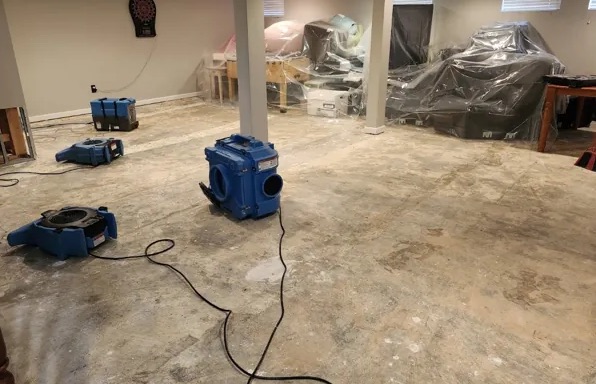
Accurate Smoke Damage Assessment for Long Island Properties
In Long Island, smoke that spreads through a home needs a systematic assessment to chart the damage. Different materials burn into different soot residues, and each needs its own cleaning method.
Homes in Long Island and nearby areas like Ronkonkoma, Central Islip and Oakdale often need a detailed assessment after smoke damage. Local fire restoration pros evaluate soot on contents, the structure and air quality, including odor sources and HVAC systems, to plan a full recovery.
Detailed Smoke Damage Assessment Process in Long Island, NY
Structural Smoke Inspection
The inspection maps smoke in wall cavities, framing and ductwork, where hidden contamination causes lasting odors.
Smoke Residue Testing
Different materials burn into different soot, from sticky to powdery. Knowing the residue type sets the cleaning plan for homes in Long Island.
Smoke Odor Source Detection
Pros locate the places where smoke odor is stored, such as insulation, HVAC ducts and porous materials, so treatment targets the source.
Smoke Residue Analysis
Analysis shows the chemical makeup of soot so the pros can choose cleaners that will not cause further damage, and the results support your claim.
HVAC System Smoke Contamination Check
Pros check heating and cooling ducts for soot, since the system can spread smoke to rooms the fire never reached.
Signs of Smoke Damage Requiring Assessment in Long Island
Unusual Irritation or Respiratory Issues
Coughing, itchy eyes or breathing trouble at home can point to smoke in the indoor air.
Smoke Odor Returns After Cleaning
A smoke smell that returns soon after cleaning means the source is deeper in the house.
Persistent Smoke Odors After Airing
A smoky smell that comes back after airing out the house means residue is embedded in surfaces.
Ash Residue on Furniture and Fixtures
A fine ash layer or sticky film on furniture and fixtures means smoke particles have settled on them.
How Smoke Damage Assessment Works in Long Island
Step 1: Smoke Odor Source Detection
Pros start by finding where odor is trapped, using thermal imaging and other tools to locate hidden areas.
Step 2: Smoke Residue Testing
Residue samples show whether soot is dry, wet or oily, which decides the cleaning methods.
Step 3: Post-Fire Surface Damage Evaluation
All surfaces are checked for staining, etching or corrosion caused by acidic smoke particles.
Step 4: HVAC System Smoke Contamination Check
Pros inspect ducts, coils and filters so the system does not spread soot after cleaning.
Primary Sources of Soot Contamination and Assessment
Water Used During Firefighting
Firefighting water mixes with soot and spreads stains and residue further through the house.
Improper Post-Fire Ventilation
Poor ventilation after a fire lets residue settle and bond more firmly to surfaces.
Pressure Changes During the Fire
Pressure changes during a fire push smoke into closed cabinets, drawers and wall cavities.
Electrical Fire Smoke Contamination
Electrical fires create acrid smoke that corrodes metal and leaves a strong odor.
Residential and Commercial Smoke Damage Assessment in Long Island
Residential Smoke Damage Assessment
Home assessments focus on family safety, finding hidden odor sources in attics, crawl spaces and ducts and deciding which belongings can be saved.
Commercial Smoke Damage Assessment
Commercial assessments check smoke's effect on equipment, stock and ventilation to prevent corrosion and plan cleanup that meets health standards.
Why DIY Smoke Damage Assessment Falls Short in Long Island
Photograph all affected areas and items before cleaning anything, and list damaged contents for your insurer. Leave air and residue testing to the experts, who provide accurate documentation.
Factors Influencing Smoke Damage Assessment Cost in Long Island, NY
Cost depends on the type of smoke and how many rooms need inspection. Odors from burned synthetic materials can add time.
Odor Severity
Strong, lasting odors need advanced detection methods to trace them to the source.
Air Quality Testing
Testing air in several zones adds sampling and lab analysis to the job.
Property Size
Larger homes in Long Island have more space to test and inspect, which takes more time.
Does Insurance Cover Smoke Damage Assessment?
Coverage for an assessment in Long Island depends on your policy's fire damage terms. Local pros document findings with photos for your claim, and your insurer makes the final decision.
Selecting Fire Restoration Pros in Long Island for Smoke Damage Assessment
HVAC System Evaluation
Smoke moves through ducts, so the HVAC system is checked as part of every assessment.
Comprehensive Damage Documentation
Detailed reports with photos and readings support your records and your insurance claim.
Air Quality Verification
Air testing shows when the home is safe to live in again after the cleanup.
Emergency Smoke Damage Assessment in Long Island, NY
Do not let smoke residue keep damaging your home. Reach the pros at (516) 475-5895 24/7 in Long Island to start odor tracing and inspection.
Call Now (516) 475-5895Smoke Damage Assessment for Long Island and Surrounding Communities
In Long Island, plus places such as Ronkonkoma, Central Islip and Oakdale, the pros inspect walls and ducts to map smoke contamination.
Frequently Asked Questions About Smoke Damage Assessment
Is smoke residue testing necessary?
Yes. Knowing the type of residue tells pros which cleaning methods will work without causing damage.
How soon should smoke damage assessment occur?
As soon as it is safe to enter, since soot is corrosive and odors set quickly the longer they sit.
How long does a typical assessment take?
It depends on size and damage, but a full assessment of an average home often takes several hours.
Why is smoke odor so difficult to remove?
Smoke particles soak deep into porous materials and linger in HVAC systems, so finding every source takes professional tools.
How does emergency smoke damage tarping help?
Tarping secures the house against weather after a fire, giving a safe, controlled space for the assessment.