Long Island, NY · Nassau and Suffolk counties
Whole-Building Fire & Smoke Odor Removal in Long Island, NYElectrostatic Soot Removal & Thermal Fogging Deodorization
Whole-Building Fire & Smoke Odor Removal in Long Island uses whole-house air scrubbing, thermal fogging deodorization, and HVAC duct smoke cleaning.
Answered 24/7
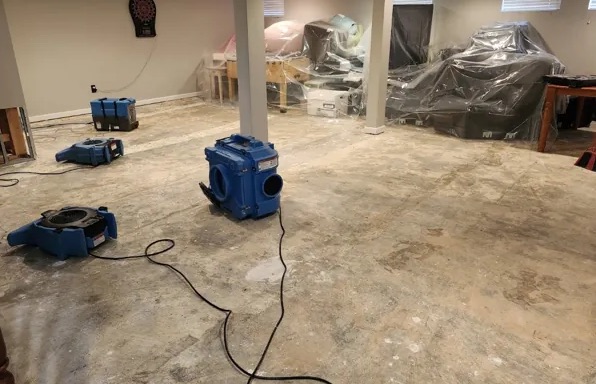
Total Building Deodorization in Long Island, NY
For homes in Long Island, getting rid of smoke smell means removing burned material, cleaning what can be saved, and deodorizing in that order. Skipping a step often leaves odor behind.
For homes in Long Island and nearby Ronkonkoma, Central Islip and Oakdale, treating the air alone is not enough because odor binds to surfaces. Local pros clean, deodorize, and then seal porous materials.
Detailed Whole-Building Fire & Smoke Odor Removal Procedures for Long Island
Electrostatic Soot Removal
In Long Island, local restoration pros use electrostatic methods on soot-covered surfaces that would smear under a wet sponge.
Thermal Fogging Deodorization
The fog travels the same way smoke did, into wood, drywall, and insulation, which makes it useful for greasy kitchen fire odors.
Ozone Treatment for Smoke Odor
Ozone treats the full air volume of a room. People, pets, and plants stay out until the space is aired out again.
Whole-House Air Scrubbing
The professionals run scrubbers through the cleanup so soot stirred up by cleaning is caught instead of drifting back onto fabrics.
Fire Damaged Material Removal
Removing porous burned items lowers the odor load, which makes later cleaning and sealing work much better.
Signs a Long Island Property Needs Fire Smoke Odor Elimination
Odor Stronger on Humid Days
A smoke smell that gets stronger on damp days means odor is trapped in porous materials and released when moisture rises.
Metallic or Chemical Odor Present
A sharp chemical or metallic smell usually comes from burned plastics or synthetics and needs stronger deodorizing than cleaning alone.
Stinging Sensation in Eyes or Throat
Stinging eyes or a scratchy throat indoors can come from smoke particles still in the air after the fire is out.
Persistent Smoky Odor in Rooms
A fire smell that stays in several rooms after cleaning means odor has soaked into the building, not just the surfaces.
How Whole-Building Fire & Smoke Odor Removal Works in Long Island
Step 1: Assessment and Containment
Pros check how far smoke spread and set up plastic barriers so odor and soot do not reach clean rooms.
Step 2: Whole-House Air Scrubbing
Air scrubbers with HEPA and carbon filters run continuously to pull soot and odor particles out of the air.
Step 3: Thermal Fogging Deodorization
A heated deodorizing fog is released so it reaches into porous materials and breaks down odor at the source.
Step 4: Surface Cleaning and Sealing
Surfaces are cleaned in detail, then porous ones are sealed with odor-blocking primer before repainting.
What Makes Fire Odor So Difficult to Remove
Secondary Water Damage
Water used to fight the fire can spread soot into new areas and carry odor into floors and wall cavities.
Residual Oils From Incomplete Combustion
Oily residue from burned materials keeps giving off odor long after the fire is put out.
Thermal Movement of Odor Particles
Heat from a fire pushes smoke and odor into small cracks and gaps throughout the structure.
Contaminated HVAC Ductwork
An HVAC system running during a fire pulls smoky air into the ducts and coats their insides with soot.
Whole-Building Fire & Smoke Odor Removal for Homes and Businesses
Residential Whole-Building Fire & Smoke Odor Removal
In homes, smoke odor in the HVAC system reaches every room. Pros clean the ducts, use electrostatic soot removal, and treat with ozone while the family is out.
Commercial Whole-Building Fire & Smoke Odor Removal
Commercial buildings have large air volumes to treat. Pros use industrial equipment for air scrubbing, removal of burned material, and sealing across whole floors.
Why Whole-Building Fire & Smoke Odor Removal Requires Fire Restoration Professionals
Wash dishes, glassware, and metal fixtures that have a smoky film. Do not run ozone machines yourself in occupied spaces; whole-house odor needs professional air scrubbing and treatment.
The Value of Complete Odor Elimination
Sealing porous surfaces after cleaning adds material and labor, but it keeps any trace odor from coming back later.
HVAC System Contamination
Cleaning ducts and HVAC parts adds equipment time and access work to the job.
Content Cleaning Scope
The number and type of belongings to clean, and whether they go off-site, affect time and cost.
Deodorization Method Required
Thermal fogging and ozone treatment use different equipment, and some jobs need both methods.
Does Insurance Cover Whole-Building Fire & Smoke Odor Removal?
Property owners in Long Island should ask their insurer whether odor treatment, including ozone, is covered under their homeowner or commercial policy.
The Advantage of Local Fire Odor Specialists
Comprehensive Odor Attack Plan
Air scrubbing, fogging, and sealing together treat both airborne odor and odor held inside materials.
IICRC-Standard Deodorization Methods
Pros follow established smoke odor protocols, treating odor at its source instead of covering it with fragrance.
HVAC System Decontamination
Ducts are cleaned so the HVAC system does not keep pushing smoke odor through the building after cleanup.
Emergency Deodorization Services for Long Island
Odors set quickly after a fire, so an early start matters. Call (516) 475-5895 day or night for an assessment and first steps to contain the smell.
Call Now (516) 475-5895Areas Served for Whole-Building Fire & Smoke Odor Removal
Smoke odor removal serves homes and businesses in Long Island and the surrounding region, including Ronkonkoma, Central Islip and Oakdale.
Common Questions on Fire Odor Removal
Why is HVAC duct smoke cleaning necessary?
Soot in the ducts spreads odor every time the system runs. Cleaning the ducts stops that cycle so treated rooms stay fresh.
When is surface sealing for residual odor used?
Sealers go on porous surfaces like concrete or framing as a final step, holding in any remaining odor molecules before rebuilding.
What's the difference between cleaning and deodorizing?
Cleaning removes visible soot residue, while deodorizing breaks down the odor molecules left behind. Most fire jobs need both steps.
Will opening windows get rid of smoke smell in home?
Airing out helps with smoke in the air at first, but it does not remove odor soaked into walls, furniture, and carpet.
What happens during content decontamination and cleaning?
Belongings are listed, cleaned with methods suited to each material, and often deodorized so they can be kept instead of discarded.