Long Island, NY · Nassau and Suffolk counties
Smoke Ventilation Services in Long Island, NYCommercial Smoke Ventilation & Smoke Ventilation Duct Cleaning
Kitchen smoke ventilation, emergency smoke ventilation and smoke control system maintenance are part of smoke ventilation services in Long Island.
Answered 24/7
Professional Smoke Ventilation Services in Long Island, NY
A broken smoke ventilation system puts homes and businesses at risk throughout Long Island. Smoke left in ductwork and rooms carries soot that stains surfaces and lowers air quality.
In Long Island, buildings across Nassau and Suffolk counties depend on smoke ventilation that works when needed. Regular maintenance and duct cleaning prevent failures, and the work extends to communities near Ronkonkoma, Central Islip and Oakdale.
Available Smoke Ventilation Services in Long Island
Commercial Smoke Ventilation
High ceilings and multiple floors call for powerful fans and automatic dampers sized for the space.
Smoke Ventilation Duct Cleaning
Local smoke damage pros clean visible and hidden duct sections, which helps kitchens pass fire inspections.
Smoke Ventilation System Testing
Tests cover automatic and manual starts and measure response time and the pressure differences the system was built to reach.
Emergency Smoke Ventilation
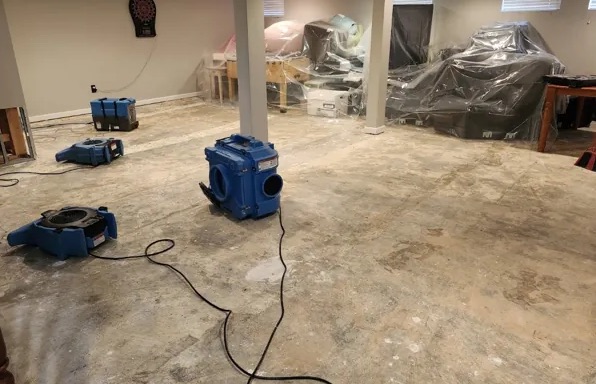
After a fire or system failure, local smoke damage pros set up portable extraction fans to clear leftover smoke and limit soot damage.
Smoke Ventilation System Installation
The pros design and install fans, vents and controls that give smoke a set path out of the building, keeping escape routes clear.
Signs Your Smoke Ventilation Isn't Working
Reduced Airflow From Ventilation Vents
Weak airflow from smoke vents during a test points to a blockage or a failing fan.
Slow Clearing of Smoke Haze
Smoke haze that hangs in the air for hours points to a system that is not drawing air out.
Visible Smoke Staining on Walls
Dark streaks on upper walls and ceilings after a smoke event show the smoke was not pulled out.
Excessive Heat Buildup in Attic
Hot air and smoke trapped in the attic suggest the exhaust path designed for it has failed.
How Smoke Ventilation Services Work in Long Island
Step 1: Emergency Smoke Ventilation Assessment
Pros check smoke density and the affected zones to choose how to ventilate the building.
Step 2: Strategic Vent Opening and Fan Placement
Designated vents are opened and portable fans are placed to create a controlled path for smoke to leave.
Step 3: Active Smoke Extraction Operation
Fans pull smoky air out while fresh air comes in, clearing the space as quickly as possible.
Step 4: Air Quality Verification and System Reset
Air quality is checked, and the permanent system is tested and reset to normal standby.
Factors Leading to Smoke Ventilation Services Needs
Wear and Tear on Fan Motors
Years of use wear out fan bearings and motors and reduce the power available to move smoke.
Faulty or Outdated Smoke Sensors
Faulty or outdated smoke sensors may not detect smoke, so the system never starts.
Obstructed Exterior Vent Openings
Bird nests, leaves and debris in exterior vents keep smoke from being pushed outside.
Lack of Regular System Maintenance
Skipped maintenance lets dust, debris and mechanical wear slowly weaken the system.
Residential & Commercial Smoke Ventilation Services
Residential Smoke Ventilation Services
Whole-house systems may combine passive vents and powered fans to keep breathable air near the floor, and they need regular checks to stay ready.
Commercial Smoke Ventilation Services
Building codes set performance levels for commercial systems by occupancy and size, and poor upkeep can bring fines on top of the fire risk.
Why DIY Smoke Ventilation Services are Risky
Keep clear access to system controls, fans and roof vents so service visits go quickly, and do not store items around them. Mechanical adjustments, sensor calibration and duct repairs should be done by professionals.
Investing in Smoke Ventilation Services for Long Island
Building size and the complexity of the ductwork affect pricing, and an inspection sets the methods each job needs.
Emergency Timing
A 24/7 response for urgent problems at night or on weekends may be priced higher than scheduled work.
System Size
Larger buildings need more fans and ductwork, which adds labor and materials to the project.
Component Condition
Whether fans, dampers or controls can be repaired or must be replaced sets the parts cost.
Does Insurance Cover Smoke Ventilation Services?
Testing and inspections are usually routine upkeep. If testing finds damage from a sudden covered event, the repairs may be claimable, so confirm with your insurer.
The Value of Expert Smoke Ventilation Services in Long Island
Comprehensive Testing
Testing measures airflow and response so you know the system will work when it is needed.
24/7 Emergency Response
Help is available 24/7 when a system fails at night, on a weekend or after a fire.
Commercial System Expertise
Larger commercial systems in offices and stores get service suited to their zones and controls.
24/7 Emergency Smoke Ventilation Services in Long Island
When a kitchen exhaust stops working, grease and smoke spread quickly. Call (516) 475-5895 day or night for emergency help from local pros.
Call Now (516) 475-5895Service Area for Smoke Ventilation Services
Across Long Island and nearby in Ronkonkoma, Central Islip and Oakdale, local pros install new systems and repair existing ones.
Common Smoke Ventilation Services Questions Answered
What does smoke ventilation duct cleaning involve?
Pros use special tools to remove soot, grease and debris from inside the ducts and restore airflow.
When should smoke ventilation system replacement be considered?
When repairs become frequent, the system no longer meets code or key parts are no longer made.
How often should smoke ventilation systems be tested?
At least once a year, and more often for commercial kitchens or high-risk buildings, depending on code.
What is a smoke ventilation system?
A set of vents, fans and controls that pulls smoke out during a fire so exit routes stay clear and visible.
What is involved in a smoke ventilation inspection?
Visual checks of all parts, tests of the start sequence, airflow measurements and notes on any faults.