Long Island, NY · Nassau and Suffolk counties
Structural Fire Damage Repair in Long Island, NYStructural Fire Damage Assessment & Fire Damaged Wall Reconstruction
Structural Fire Damage Repair in Long Island covers structural fire damage assessment, soot smoke damage cleanup and emergency board-up services.
Answered 24/7
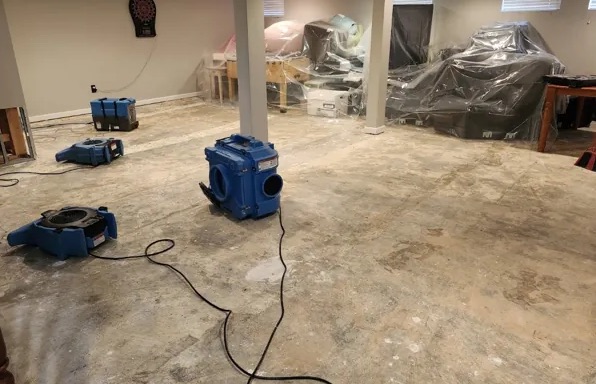
Trusted Structural Fire Damage Repair Near Long Island, NY
Fire damage in Long Island goes beyond burned areas, since soot and smoke residue spread through the house and keep damaging materials and indoor air.
Fire damage in Long Island needs quick action to limit further damage. Local fire damage restoration pros board up and start soot cleanup 24/7, then assess and plan repairs, also serving Ronkonkoma, Central Islip and Oakdale.
Full-Scope Structural Fire Damage Repair in Long Island
Structural Fire Damage Assessment
Pros check char depth and material strength so owners know how far the damage goes before repairs are planned.
Fire Damaged Wall Reconstruction
Pros check framing alignment and vapor barriers before closing walls so the rebuilt sections perform properly.
Fire Damaged Beam Replacement
Pros remove weakened timber or steel, then align and secure new beams to restore the building's strength.
Emergency Board-Up Services
Board-up protects the interior from rain, wind and unauthorized entry while repairs are planned.
Post-Fire Structural Reinforcement
Partly damaged framing in Long Island is strengthened with engineered fixes so it handles everyday loads safely.
Indicators Your Property Needs Structural Fire Damage Repair in Long Island
Broken Windows or Openings
Broken windows or doors invite rain and trespassers and should be boarded up quickly.
Soot in HVAC Vents
Soot blowing from vents means the ducts are contaminated and spreading residue through the house.
Cracked or Spalling Concrete
Cracks or flaking in concrete floors or foundations after a fire show heat stress.
Discolored or Stained Surfaces
Soot stains and yellowing on walls and ceilings show smoke soaked deep into the surfaces.
How Structural Fire Damage Repair Works in Long Island
Step 1: Site Securing
Openings are boarded up first to protect the property, making the site safe for work in Long Island.
Step 2: Detailed Damage Evaluation
A full assessment identifies every affected structural part and the contents, guiding the repair plan.
Step 3: Soot Removal and Cleaning
Soot is cleaned from walls, ceilings and belongings, preparing surfaces for structural repairs.
Step 4: Reconstruction and Reinforcement
Damaged framing is repaired, replaced or reinforced as needed to complete the structural work.
Frequent Sources of Fire Damage Needing Repair in Long Island
Children Playing With Fire
Children playing with matches or lighters can start hidden fires in closets or bedrooms.
Electrical System Faults
Faulty wiring or overloaded circuits can start fires that burn inside walls unseen.
Intentional Acts of Arson
Arson can cause severe structural damage quickly and often requires extra security measures.
Lightning Strikes
A lightning strike can ignite a roof or frame and cause severe damage at once.
Whole-Property Structural Fire Damage Repair in Long Island
Residential Structural Fire Damage Repair
For homeowners, the process starts with board-up to secure the house, followed by thorough documentation for the claim.
Commercial Structural Fire Damage Repair
Industrial buildings need structural repairs that can carry heavy machinery loads, plus large-scale soot cleanup across the plant.
Structural Fire Damage Repair vs. DIY: When to Call Local Pros
In a well-ventilated area, sort belongings into salvageable and clearly destroyed. Do not try to clean smoky upholstery, carpet or clothing yourself, since odor removal needs special equipment.
Structural Fire Damage Repair Cost in Long Island, NY
Beam replacement, the amount of smoke cleanup and how long the project runs all affect the final cost.
Smoke and Soot Penetration
Deeply embedded soot and smoke need more cleaning and odor treatment, which adds cost.
Project Duration
Longer projects, from assessment to final repairs, add labor and equipment costs.
Access and Safety
Hard-to-reach damage or extra safety measures like shoring can lengthen the work.
Does Insurance Cover Structural Fire Damage Repair?
Fire damage repair is often covered under a homeowners policy, but your insurer decides. Local fire damage restoration pros document the damage with photos and notes for your claim.
Why Choose Local Pros for Structural Fire Damage Repair in Long Island
IICRC-Standard Restoration Methods
Soot cleanup, odor treatment and drying follow accepted industry methods for fire recovery.
Methodical Cleanup Process
Cleanup moves in stages, from contents to wall cavities, so nothing is missed.
Complete Debris Management
Debris removal clears the site safely and reduces health risks from ash and burned materials.
Around-the-Clock Structural Fire Damage Repair in Long Island
Do not let fire damage get worse. Start emergency cleanup and a structural assessment for your Long Island home by calling the pros at (516) 475-5895.
Call Now (516) 475-5895Structural Fire Damage Repair Service Area Including Long Island
Fire cleanup and smoke removal are available from the pros in Long Island and neighboring locations including Ronkonkoma, Central Islip and Oakdale.
Structural Fire Damage Repair FAQs
What is involved in post-fire debris removal?
Clearing burned materials, damaged contents and ash so the site is ready for cleaning and rebuilding.
Is fire damaged wall reconstruction a complex process?
It can be, since damaged framing and insulation are removed and rebuilt to match the structure and code.
How is smoke damage removed after a fire?
Special cleaners, air scrubbers and ozone or thermal fogging remove soot residue and odors from surfaces and air.
What are emergency board-up services?
Covering openings with plywood or tarps to keep out weather and intruders and prevent more damage.
What happens during the initial fire and smoke restoration steps?
Stabilizing the property, documenting the damage, controlling soot and removing water left from firefighting.