Long Island, NY · Nassau and Suffolk counties
Fire-Damaged Contents Cleaning in Long Island, NYArt Restoration Service & Fire-Damaged Contents Pack-Out
Get Fire-Damaged Contents Cleaning in Long Island including soot removal from furniture, smoke odor elimination and fire-damaged upholstery cleaning.
Answered 24/7
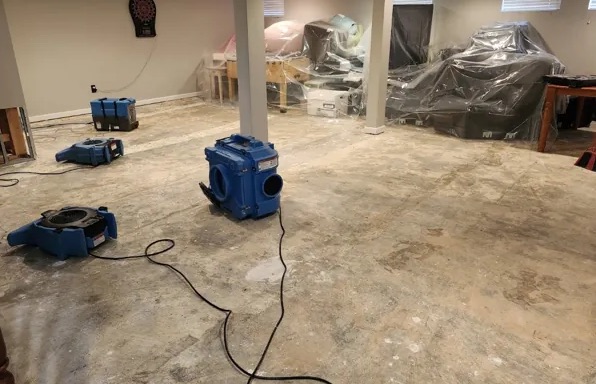
Your Long Island Source for Fire-Damaged Contents Cleaning
Soot on contents is not simple dirt; it's an oily, acidic powder that bonds to surfaces and causes continuing damage for homes in Long Island.
Fire damaged contents cleanup in Long Island and locations like Ronkonkoma, Central Islip and Oakdale involves dealing with complex soot residues on various surfaces. Local contents restoration pros remove smoke odor and soot from belongings. They maintain detailed records of the damage assessment and cleaning protocols.
Comprehensive Fire-Damaged Contents Cleaning Offerings in Long Island
Art Restoration Service
The pros in Long Island evaluate damage to art and collectibles. Each item gets a cleaning method suited to its material.
Fire-Damaged Contents Pack-Out
The pros in Long Island inventory and wrap each item during a pack-out. They catalog everything and use proper packing materials for transit.
Document Restoration Service
Restoring fire-damaged documents is a delicate process that often begins with cold storage to halt deterioration. The experts then use controlled environments and precise techniques to clean, dry, and preserve your valuable papers and books.
Smoke Odor Elimination
For items in Long Island affected by smoke, odor removal involves deep penetration treatments. The experts target the source of the odor within the material's structure, not just masking it, for a permanent solution to smoky smells.
Electronics Soot Cleaning
Soot and smoke residues inside electronics can cause short circuits and corrosion. The pros use non-conductive cleaning methods to remove soot from circuit boards, components and casings.
Symptoms Requiring Fire-Damaged Contents Cleaning in Long Island
Gritty Residue on Electronics
A gritty soot film on televisions or computers can cause short circuits. Electronics should be cleaned before they are turned on.
Compromised Air Quality Indoors
Respiratory irritation or a constant smoky smell in the air points to necessary smoke odor elimination after a fire.
Soot Coating on All Surfaces
Fine black particles on furniture, walls and belongings mean soot needs professional removal.
Acidic Soot Staining Furniture
Dark, etched stains on wood or metal are caused by acidic soot. Furniture should be cleaned before the soot does more damage.
How Fire-Damaged Contents Cleaning Works in Long Island
Step 1: Detailed Damage Categorization
The pros sort items by material and damage level, planning specific approaches for electronics, documents, and fabrics.
Step 2: Facility-Based Restoration Begins
Items moved off-site are cleaned in stages, starting with soot removal from furniture and artwork.
Step 3: Odor Neutralization and Sanitization
Advanced techniques like hydroxyl generators are used for smoke odor elimination, and items are sanitized to remove any biological concerns.
Step 4: Organized Return and Placement
Cleaned belongings are organized, repacked, and returned to their original locations, finalizing the fire damaged contents cleaning service.
Typical Scenarios Requiring Fire-Damaged Contents Cleaning in Long Island
Kitchen Grease Fire Residue
Grease fires create a particularly sticky, pungent soot that coats nearby belongings and demands specialized cleaning.
Water From Firefighting Efforts
Water used to extinguish the blaze can lead to secondary water damage and mold if contents are not dried properly.
Smoke Migration Through Ducts
Smoke travels through HVAC systems, depositing odor and residue in rooms far from the original fire source.
Chemical Residue From Burning Materials
Modern synthetics in homes burn and release corrosive chemicals that can etch and permanently stain surfaces.
Residential and Commercial Fire-Damaged Contents Cleaning in Long Island
Residential Fire-Damaged Contents Cleaning
In homes throughout Long Island, fire damaged contents cleaning salvages family heirlooms, clothing, and electronics. The pros remove soot from furniture and smoke odor from the home after a fire.
Commercial Fire-Damaged Contents Cleaning
For businesses, contents cleaning restores office electronics, inventory and important documents. The pros clean furniture and restore paper records so that normal operations can resume sooner.
When to Call Fire Damage Pros for Fire-Damaged Contents Cleaning in Long Island
Wearing gloves and a mask, you can remove obviously ruined items to an outdoor trash area to clear workspace. Do not attempt to clean salvageable items with water or household cleaners, as this can set stains.
Factors Influencing Fire-Damaged Contents Cleaning Cost in Long Island
In Long Island, the investment in fire-damaged contents cleanup is calculated based on the initial assessment of soot types and residue levels. Processes like document restoration or electronics cleaning require precise, and therefore costlier, approaches.
Odor Penetration
Deeply embedded smoke odors in porous materials often require advanced deodorization steps like ozone treatment or thermal fogging, adding to the service scope.
Material Types
Delicate materials like silk, paper documents, or electronic components demand specialized, gentler cleaning techniques compared to more resilient surfaces like metal or glass.
Soot Severity
Heavy, wet soot from smoldering fires is more challenging and time-consuming to remove than dry, powdery soot, affecting the cleaning process complexity.
Does Insurance Cover Fire-Damaged Contents Cleaning?
Coverage for restoring fire damaged items often exists under the personal property section of a standard policy. The pros provide clear documentation of soot damage and cleaning methods to aid your claim, but you must confirm applicability with your insurance company.
Advantages of Hiring Local Pros in Long Island for Fire-Damaged Contents Cleaning
Art & Upholstery Restoration Focus
Gentle, fabric-specific cleaning solutions and techniques preserve the integrity and color of valuable textiles, artwork, and furniture after fire exposure.
Specialized Soot Removal Techniques
Different soot types require specific cleaning agents and application methods to safely lift residue without causing further damage to delicate surfaces.
IICRC-Standard Cleaning Methods
Set procedures for soot removal and deodorizing help return belongings to their pre-fire condition.
Emergency Fire-Damaged Contents Cleaning Availability in Long Island
Quick action limits the extent of smoke penetration into your belongings. To initiate the fire damage cleaning services process and secure your items, dial (516) 475-5895 for emergency assistance from the pros.
Call Now (516) 475-5895Locations for Fire-Damaged Contents Cleaning Near Long Island
Homes across Long Island and nearby areas need soot and smoke odor removal after fires. Expert fire damaged contents restoration extends to communities such as Ronkonkoma, Central Islip and Oakdale.
Common Fire-Damaged Contents Cleaning Questions Answered
What is the fire-damaged contents pack-out process?
It involves carefully inventorying, photographing, and transporting affected items to a secure off-site facility for controlled cleaning and storage during home repairs.
What's the first step after a fire for contents?
Contact the pros for an assessment; avoid wiping soot, which can smear it, and don't use standard household cleaners, which can set stains.
How does smoke odor elimination work?
The pros may use technologies such as ozone generators, thermal fogging, or hydroxyl machines. These aim to neutralize odor particles trapped in porous materials rather than merely masking the smell.
What should a homeowner avoid doing with fire-damaged contents?
Do not attempt to clean electronics or documents yourself, avoid using water on sooted surfaces, and refrain from storing smoky items in sealed plastic, which can trap odors.
How do pros decide if an item is restorable?
They evaluate the cost of restoration versus replacement, the sentimental value, the extent of damage, and the material's ability to withstand the necessary cleaning processes.