Long Island, NY · Nassau and Suffolk counties
Structural Drying & Dehumidification in Long Island, NYWet Wall Cavity Drying & Building Material Drying
Structural Drying & Dehumidification in Long Island covers wet wall cavity drying, emergency flood drying and crawl space dehumidification.
Answered 24/7
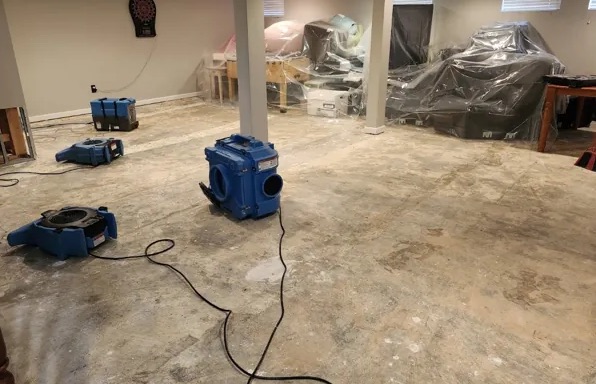
Structural Drying & Dehumidification Services in Long Island, NY
For properties in Long Island, drying and dehumidification keep a leak from turning into a major loss. Dampness in subfloors or wall cavities slowly breaks down materials and affects indoor air.
Drying service in Long Island and nearby Ronkonkoma, Central Islip and Oakdale covers crawl spaces and the areas under hardwood floors, where dampness causes decay and odors. Residents can request drying for one room or a whole building.
The Structural Drying & Dehumidification Process in Long Island
Wet Wall Cavity Drying
Local structural drying pros in Long Island dry inside walls through small openings, so most drywall can stay in place.
Building Material Drying
Studs and joists are dried in place while humidity is managed closely to save them.
Concrete Slab Drying
Focused drying pulls moisture up through the concrete until readings show it is ready for flooring.
Crawl Space Dehumidification
High humidity in a crawl space damages subfloor framing and affects the air in the house above.
Ceiling Cavity Drying
Pros dry water from roof leaks above ceilings with ventilation and desiccant dehumidifiers before drywall sags.
Symptoms Requiring Structural Drying & Dehumidification in Long Island
Soggy or Spongy Subfloors
Floors that feel spongy underfoot have a soaked subfloor that needs drying.
Soft or Crumbling Drywall
Drywall that feels soft or crumbles has absorbed a lot of water and may need removal.
Cold and Damp Concrete Floors
A concrete floor that stays cold and damp is pulling moisture up from below.
Musty Odors Lingering
A damp smell that lingers points to hidden moisture in wall cavities or under floors.
How Structural Drying & Dehumidification Works in Long Island
Step 1: Initial Water Extraction
Standing water is extracted from floors and surfaces so it stops soaking into materials.
Step 2: Dehumidification and Air Movement
Pros balance dehumidifiers and air movers to drive moisture out of cavities and materials.
Step 3: Detailed Cavity Drying
Hidden areas like ceiling cavities and subfloors get targeted drying tools and airflow.
Step 4: Completion and Documentation
Final dryness levels are recorded and provided for your records and insurance claim.
Reasons for Dehumidification in Long Island Homes
Roof Leaks During Storms
Wind-driven rain or damaged shingles let water into the attic and ceiling cavities.
Construction Defects or Leaks
Faulty flashing or poorly installed windows let water in slowly, where it stays hidden.
Firefighting Water Damage
Water used to put out a fire soaks deeply into framing, drywall and insulation.
HVAC Condensate Drain Failure
A clogged AC drain line can spill gallons of water onto subfloors and ceilings.
Whole Property Structural Drying & Dehumidification in Long Island
Residential Structural Drying & Dehumidification
In houses, drying ceiling and wall cavities prevents costly drywall and framing repairs and leaves the home safe and stable.
Commercial Structural Drying & Dehumidification
In commercial buildings, drying targets office partitions, raised floors and wall systems while keeping indoor air healthy for staff.
Hiring Local Pros for Structural Drying & Dehumidification in Long Island
For minor spills, wipe up surface water with towels and mops. If water has soaked into drywall, flooring or subfloors, call local drying pros to dry the hidden moisture.
Structural Drying & Dehumidification Cost in Long Island, NY
Pros in Long Island weigh how severe the water damage is, whether wall cavities need drying and the total drying time.
Type of Materials Involved
Porous drywall and insulation hold more water and sometimes must be removed as well as dried.
Extent of Saturation
A soaked subfloor takes longer to dry and needs more powerful dehumidifiers.
Access and Confinement
Tight crawl spaces and closed ceiling cavities are harder to reach and may need special setups.
Does Insurance Cover Structural Drying & Dehumidification?
Drying after a plumbing failure may be covered by homeowners insurance, but your carrier decides. Know your policy limits; pros keep an itemized log of the work.
Why Choose Local Pros for Structural Drying & Dehumidification in Long Island
Targeted Crawl Space Dehumidification
Crawl spaces with standing water or high humidity get equipment suited to tight areas.
24/7 Emergency Response
Help is available around the clock, so drying can start soon after water gets in.
Advanced Moisture Detection
Meters and sensors map moisture in walls and subfloors so drying targets the wet areas.
Emergency Structural Drying & Dehumidification for Long Island Properties
A burst pipe or appliance leak needs urgent attention. Call the experts at (516) 475-5895; they offer round-the-clock service for flood and crawl space drying.
Call Now (516) 475-5895Locations for Structural Drying & Dehumidification Around Long Island
Local specialists dry building materials and control moisture in Long Island and surrounding communities including Ronkonkoma, Central Islip and Oakdale.
Your Structural Drying & Dehumidification Questions Addressed
What are the signs that hardwood floor drying is needed?
Cupping, crowning, dark stains or a spongy feel. Drying can often save the boards.
How does emergency drying differ from standard drying?
The methods are the same, but emergency drying starts, even after hours, to limit loss.
How long does emergency flood drying typically take?
It depends on water volume, materials and humidity, but most home jobs take several days of continuous drying.
What is the goal of building material drying?
Bringing wet materials back to normal moisture levels so they keep their strength and do not need replacing.
Can dehumidification services help with musty odors?
Yes. Musty odors come from damp materials, and drying them removes the source of the smell.