Long Island, NY · Nassau and Suffolk counties
Structural Engineering Inspections in Long Island, NYStructural Crack Evaluation & Load Bearing Wall Analysis
Structural Engineering Inspections in Long Island include load bearing wall analysis, sinkhole damage inspection and roof framing integrity check.
Answered 24/7
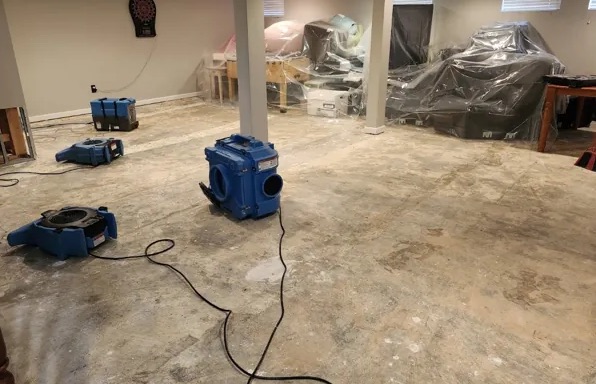
Professional Structural Engineering Inspections in Long Island, NY
A structural inspection in Long Island checks a building's foundation, framing and load paths. It finds problems like settling foundations or sagging beams early, while repairs are still smaller and the building is still safe to use.
In Long Island, structural inspections support safety and due diligence before a sale. Local inspectors check for sinkhole damage and roof framing problems across the area, Ronkonkoma, Central Islip and Oakdale.
Available Structural Engineering Inspections Offerings in Long Island
Structural Crack Evaluation
Crack locations are recorded, sometimes with gauges for monitoring, to set repair priorities and find the cause.
Load Bearing Wall Analysis
Walls that carry floors and roofs are checked for stress, like cracks above door frames, which matters most in older homes.
Roof Framing Integrity Check
Inspectors confirm the framing can carry the roof covering, which matters before major roof repairs.
Commercial Building Structural Inspection
Regular checks of connections, support walls and roof framing find wear early and help with capital planning.
Post-Disaster Structural Assessment
After a disaster, the focus is life safety, so inspectors check that key supports are still stable.
Warning Signs You Need Structural Engineering Inspections
Moisture Intrusion in Crawl Spaces
Ongoing dampness or pooled water under a home weakens supports and calls for a foundation check.
Creaking or Popping Noises in Framing
New creaking or popping in walls or floors during normal use can mean framing is under strain.
Doors or Windows That Stick
Doors and windows that start to stick often mean the frame has shifted from structural movement.
Separation of Walls From Ceilings
A growing gap where walls meet the ceiling is a visible sign of structural movement.
How Structural Engineering Inspections Work in Long Island
Step 1: Foundation and Exterior Inspection
The inspection starts outside, checking the foundation for cracks, settling and drainage problems.
Step 2: Interior Load Bearing Wall Analysis
Inside, inspectors check walls, beams and columns for changes or damage that weaken the support system.
Step 3: Roof Framing and Attic Integrity Check
The roof structure is checked from the attic for sagging, loose connections and water damage.
Step 4: Synthesis and Professional Evaluation Report
All findings are combined into a report with the building's condition and recommended actions.
Common Causes of Structural Problems in Long Island
Vibration From Nearby Construction or Traffic
Constant heavy vibration from nearby construction or traffic can compact soil and loosen connections.
Soil Settlement or Shrink-Swell Cycles
Clay soils that shrink and swell with moisture push on foundations and cause movement and cracks.
Major Storms, Floods or Soil Movement
Floods and shifting soil can destabilize the ground and push sideways on a building's frame.
Tree Roots Invading Foundation Areas
Large tree roots seeking water can move soil and press against foundation walls and footings.
Structural Inspections for Homes and Businesses in Long Island
Residential Structural Engineering Inspections
After local flooding or minor tremors, inspectors check homes for new cracks, shifted supports and damaged roof framing to guide repairs.
Commercial Structural Engineering Inspections
Before renovations, inspectors run load checks so new mezzanines or removed walls do not overload the existing structure.
Structural Engineering Inspections vs. DIY: When to Call Foundation Inspection Experts
Business owners can watch for new masonry cracks, misaligned door frames or water stains that suggest leaks. Keep access panels clear, and have any suspected structural issue inspected.
Structural Engineering Inspections Cost in Long Island, NY
Specialized tools, such as laser levels or foundation elevation surveys, and work across Nassau and Suffolk counties can also affect the pricing.
Local Travel
The number of structural parts to check affects how long a thorough inspection takes.
Specialized Testing
Core samples, soil testing or other special tests add to the overall inspection fee.
Access Requirements
Crawl spaces, roof access or digging add steps and time to the inspection.
Does Insurance Cover Structural Engineering Inspections?
Some policies include specific terms for suspected sinkhole damage. Inspectors document their findings for your claim, but coverage depends on the policy's written terms.
Advantages of Hiring Local Experts in Long Island
24/7 Emergency Response
After a sudden structural incident, inspectors are available around the clock to check safety.
Clear Communication
Inspectors explain engineering findings in plain terms so you understand your property's condition.
Commercial & Residential Expertise
Homes and business properties are both inspected, with their different construction and uses in mind.
Emergency Structural Assessment for Long Island
Sinkhole activity or sudden foundation movement needs prompt attention. Inspectors are available around the clock at (516) 475-5895 to start an inspection.
Call Now (516) 475-5895Structural Engineering Inspections Across Long Island and Neighboring Towns
Pre-purchase and post-disaster inspections support property decisions in Long Island and surrounding areas including Ronkonkoma, Central Islip and Oakdale.
Your Structural Engineering Inspections Questions for Long Island
What's the difference between a structural and home inspection?
A home inspection is broad and general, while a structural inspection looks closely at the load-bearing framework.
How does a load bearing wall analysis work?
Inspectors review plans and the wall itself to confirm whether it carries weight from above before removal.
What triggers a post-disaster structural assessment?
Ground settling, major storms, fires or floods that may have damaged the building's frame or foundation.
Can a structural inspection detect sinkhole damage?
Yes. Inspectors look for foundation cracks, ground depressions and unstable soil that point to subsidence.
Can a structural inspection help with insurance?
Yes. The report documents the damage and likely cause for your insurer, and your adjuster decides on coverage.