Long Island, NY · Nassau and Suffolk counties
Supermarket Damage Restoration in Long Island, NYSupermarket Mold Remediation & Supermarket Water Damage Cleanup
Supermarket Damage Restoration in Long Island covers supermarket sewage backup cleanup, supermarket storm damage repair and supermarket drying services.
Answered 24/7
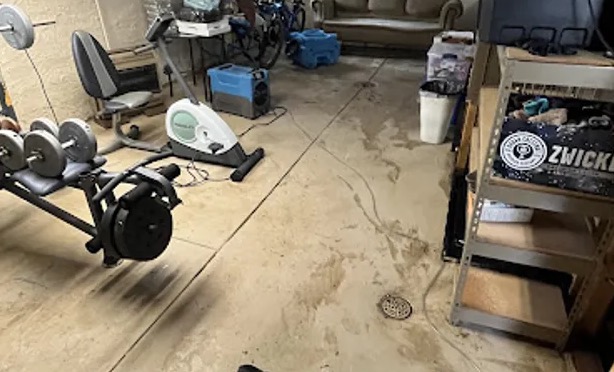
Supermarket Damage Restoration Solutions in Long Island, New York
Water, sewage or fire damage can close a supermarket in Long Island, spoil perishable stock and create health hazards for shoppers and staff. Acting fast shortens the closure and limits losses on food and fixtures.
In Long Island and communities like Ronkonkoma, Central Islip and Oakdale, supermarket sewage backups and fires threaten public health and business. Local pros handle large leaks and contamination with commercial equipment.
Supermarket Damage Restoration Services in Long Island
Supermarket Mold Remediation
Pros isolate damp storage room walls, remove affected materials and dry the area after fixing the moisture source.
Supermarket Water Damage Cleanup
After a burst pipe, pros extract water from checkout lanes and stockrooms and dry subfloors and wall cavities.
Supermarket Sewage Backup Cleanup
When backed-up drains spread sewage into receiving areas, pros extract the waste and sanitize the slab and equipment.
Supermarket Drying Services
Air injectors or small vent holes push air into wall cavities and above drop ceilings where moisture gets trapped.
Supermarket Fire Damage Restoration
Sprinkler water adds to fire damage, so pros extract water and dry the structure while cleaning soot.
Warning Signs You Need Supermarket Damage Restoration
Sewage Smells Near Restrooms
Foul odors from public or staff restrooms often point to a sewer line backup.
Increased Humidity in Aisles
A clammy feel in the aisles shows humidity is high and needs a moisture inspection.
Water Pooling Near Produce Aisles
Standing water around refrigerated displays or produce sections points to a hidden leak.
Damp Carpeting in Entryways
Wet floor mats or soggy carpet at entrances can signal storm water or a plumbing problem.
How Supermarket Damage Restoration Works in Long Island
Step 1: Damage Assessment
Pros walk the store to document the source, extent and hazards of the damage for the claim.
Step 2: Content Removal and Protection
Salvageable stock and equipment are removed, cleaned and stored so repairs are not slowed down.
Step 3: Structural Drying Process
A drying system removes moisture from slabs, wall cavities and ceiling spaces step by step.
Step 4: Final Verification and Restoration
Moisture readings confirm dryness, and walls, floors or electrical parts are repaired before stock returns.
What Causes Damage Needing Restoration in Long Island
Appliance Hose Failures
Broken ice maker lines or dishwasher hoses in break rooms cause local flooding.
Chronic Humidity Issues
Poor ventilation in storerooms keeps materials damp and damages walls and stock.
Burst Pipes in Walls
Frozen or corroded pipes inside walls can soak insulation and drywall without notice.
Foundation Cracks and Seepage
Groundwater pushed through slab cracks can wet stock on the lowest shelves.
Expert Supermarket Damage Restoration for Local Stores
Water Damage Help for Homes
In homes, pros dry and repair damp bathrooms, attics and crawl spaces, containing the work so dust does not spread to other rooms.
Supermarket Damage Restoration for Owners and Managers
In supermarkets, pros clean stockrooms, ceiling spaces and HVAC areas to meet health codes and protect food and packaging.
Supermarket Damage Restoration vs. DIY: When to Call Supermarket Water Removal Pros
Move a few damp boxes to a dry area. If pallets of stock are wet, call local pros, who can dry, sanitize or document items for disposal using food-safe methods.
Factors in Supermarket Damage Restoration Pricing for Long Island
For sewage cleanup, the amount of contaminated water and the disinfection needed for food-safe surfaces drive the price.
Content Restoration Needs
The amount of stock, shelving and equipment that needs cleaning or drying affects the price.
Duration of Drying
Moisture deep in concrete or insulation extends drying time and adds equipment days.
Type of Contaminant
Sewage, gray water and soot each need different cleanup and disinfection than clean water leaks.
Does Insurance Cover Supermarket Damage Restoration?
Moisture readings taken before and after drying are important for a water damage claim. Local supermarket water removal pros supply them, while approval is handled between you and your insurer.
Why Choose Local Pros for Supermarket Damage Restoration in Long Island
Health and Safety Focus
Sewage cleanup focuses on disinfection and safe removal to restore a food-safe store.
Structural Drying Expertise
Building materials are dried fully to prevent warping and lasting damage after extraction.
Multi-Service Restoration
Fire, water and storm damage are handled in a set order so each problem is fixed properly.
24/7 Emergency Supermarket Damage Restoration for Long Island
When you find significant water in your store, acting quickly prevents the damage from spreading. Reach the pros in Long Island 24/7 at (516) 475-5895.
Call Now (516) 475-5895Supermarket Damage Restoration Coverage in and Around Long Island
Fire restoration and content cleaning for supermarkets are available in Long Island and nearby communities, like Ronkonkoma, Central Islip and Oakdale.
Answers to Your Supermarket Damage Restoration Questions
Why is quick action key for supermarket leak repair?
Slow response lets water spread, raising drying time, repair costs and the length of the closure.
Can wet drywall be saved after supermarket water damage?
It depends on how wet and contaminated it is; often it is removed so the wall cavity can dry.
Can inventory be saved after supermarket water damage?
Often, through professional cleaning, drying and sanitizing, though it depends on the contaminant and exposure time.
Does moisture repair require closing the store?
Sometimes. Containment barriers isolate the work area so unaffected sections may stay open while work proceeds.
What causes supermarket sewage backup incidents?
Main sewer line blockages, city sewer overflows in heavy rain or failed grease traps.