Long Island, NY · Nassau and Suffolk counties
Hurricane Response Services in Long Island, NYStructural Drying After Flooding & Roof Leak Water Removal
Hurricane Response Services in Long Island covers storm flood water cleanup, wind-driven rain cleanup and roof leak water removal.
Answered 24/7
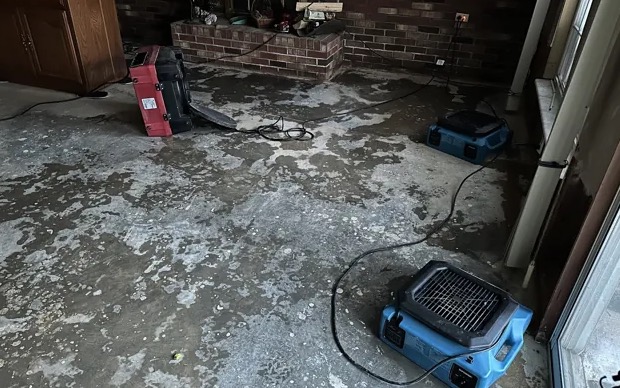
Hurricane and Storm Water Damage Help for Long Island Homes
Storm cleanup in Long Island follows a set order: make the property safe, remove the water, remove ruined materials, then dry and check readings.
Storm damage in Long Island often affects many homes at once. Calling (516) 475-5895 early helps get extraction started before water soaks deeper into floors and walls in Long Island or Ronkonkoma, Central Islip and Oakdale.
What Hurricane Response Services Cover in Long Island
Structural Drying After Flooding
Water that soaks into studs, joists and subfloors needs more than room fans. The pros use dehumidifiers, targeted airflow and sometimes heat to dry the framing itself.
Roof Leak Water Removal
Ceiling stains and sagging drywall after a hurricane or severe storm usually mean the attic took on water. Wet insulation comes out and the space is dried with fans and dehumidifiers.
Wet Carpet Removal After Flooding
Carpet and pad soaked by storm floodwater are cut out, rolled up and hauled away. The subfloor is then cleaned and dried before any new flooring goes down.
Wind-Driven Rain Cleanup
Strong storm winds, including hurricane remnants, push rain through window frames, door seals and siding gaps. The pros find where it came in, remove the water and dry the wall cavities behind it.
Hurricane Flooded Room Drying
Drying a flooded room takes several days of steady airflow and dehumidification. The pros check readings daily and adjust the setup as each area dries.
Signs You Need Storm Water Removal in Long Island
Peeling Baseboards and Trim
Baseboards that swell, separate or peel after flooding have soaked up water from the floor. The wall behind them is usually wet as well.
Wet Insulation in the Attic
Insulation that is matted, heavy or stained after a storm has taken on rain from the roof. It holds water against the ceiling and framing below.
Standing Water After the Storm
Water on the floor after a hurricane or severe storm has likely soaked into carpet pad, subfloor and lower walls. It needs extraction before drying can work.
Ceiling Stains or Sagging Drywall
Brown rings, bubbling paint or a sagging ceiling mean water from a roof leak is sitting above. The ceiling may need to be opened and dried.
How Hurricane Response Services Work in Long Island
Step 1: Roof and Ceiling Leak Check
The pros find where rain is getting in and check the attic and ceilings below for trapped water.
Step 2: Attic and Ceiling Water Removal
Wet insulation is bagged and removed, and sagging ceiling drywall is opened so water can drain.
Step 3: Floor and Wall Extraction
Water that ran down into rooms below is extracted from carpet and floors, and wet wall cavities are opened.
Step 4: Structural Drying After Flooding
Dehumidifiers and air movers dry framing from the attic down, so water does not drip onto dry areas.
Causes of Storm and Hurricane Water Damage in Long Island
Flash Flooding From Heavy Rain
A slow-moving storm can drop several inches of rain in a short time. Streets and yards flood and water flows in under doors.
Saturated Ground Around the House
Days of rain soak the soil next to the house. Water then seeps through slab cracks, crawl space vents and low wall openings.
Roof Damage From Wind and Debris
Lifted shingles, torn flashing and impact holes let rain pour into the attic and down through ceilings, sometimes for days before the roof is covered.
Fallen Trees and Limbs
A tree or large limb landing on the roof opens a hole that lets rain fall straight into the attic and the rooms below.
Residential and Commercial Hurricane Response Services in Long Island
Residential Hurricane Response Services
In homes, the work focuses on saving what can be saved. Water is extracted, soaked carpet and lower drywall are removed, and floors, walls and framing are dried room by room.
Commercial Hurricane Response Services
For businesses, the pros work to get the space usable. Large areas are extracted and dried in sections, and the work can be planned around opening hours.
When to Call Pros After a Hurricane
If it is safe, you can move furniture, rugs and electronics out of the water and open windows once the rain stops. Call local water extraction experts for standing water, wet walls or any flooding from outside.
Hurricane Water Cleanup Cost Factors
A roof leak that wet one ceiling costs far less to handle than a flooded ground floor. The size of the wet area and the materials involved drive the price.
Materials That Got Wet
Carpet, hardwood, drywall and insulation each dry differently. Hardwood and wet insulation take longer and may need replacement.
Debris and Disposal
Soaked carpet, pad, drywall and damaged contents have to be hauled away, and disposal is part of the total cost.
Clean Rain or Contaminated Floodwater
Rain from a roof leak is usually cleaner. Floodwater from outside requires removal of porous materials and disinfection, which adds cost.
Does Insurance Cover Hurricane Response Services?
Flood damage from rising water is typically covered only by flood insurance. Wind-driven rain and roof leaks may fall under a homeowner policy. Ask your insurer how they split the damage.
Why Call Local Pros for Hurricane Response Services in Long Island
Help With Roof Leak Water
Water from a damaged roof is removed from attics and ceilings, and the pros tell you what a roofer needs to repair.
Handling Contaminated Water
Storm floodwater is treated as contaminated. The pros wear protective gear and remove and disinfect affected materials.
Available Any Time
Storm damage does not wait for business hours. Local water extraction experts can be reached at any hour to start extraction and drying.
Round-the-Clock Hurricane Response Services in Long Island
Do not wait for storm water to dry on its own. Call (516) 475-5895 for 24/7 storm water removal in Long Island and keep photos of the damage for your insurer.
Call Now (516) 475-5895Hurricane Response Services Coverage in and Around Long Island
Homes and businesses in Ronkonkoma, Central Islip and Oakdale can get the same extraction, material removal and drying as properties in Long Island.
Common Questions About Hurricane Water Cleanup
How long does drying take after a hurricane?
Most homes take three to five days of drying, longer for hardwood, dense framing or large flooded areas. Daily readings show when it is done.
Can hurricane water damage cause mold?
Yes, if materials stay wet for more than a day or two. Fast extraction and drying help prevent it.
What is the difference between wind damage and flood damage?
Wind damage lets rain in through the roof or walls. Flood damage is rising water from outside. Insurers often treat them under different policies.
Does homeowners insurance cover hurricane water damage?
Wind and rain damage may be covered by a homeowner policy, while rising floodwater usually needs flood insurance. Check your policies and call your insurer.
How soon should water be removed after a hurricane?
As soon as it is safe to enter. Within a day or two, wet drywall, carpet and framing begin to break down and the risk of mold rises.