Long Island, NY · Nassau and Suffolk counties
Lead Paint Removal in Long Island, NYInterior Lead Paint Abatement & Lead-Safe Renovation Services
Lead Paint Removal in Long Island covers lead paint encapsulation, exterior lead paint removal and post-abatement clearance testing.
Answered 24/7
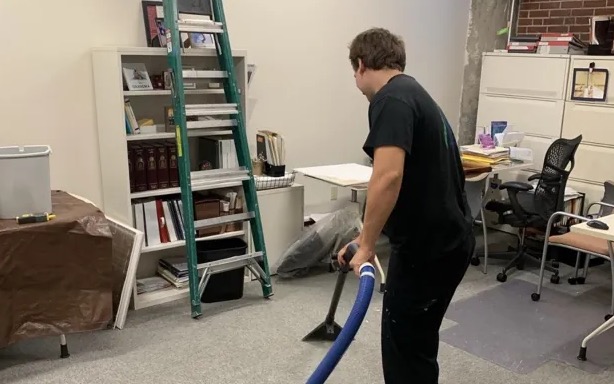
Local Lead Paint Removal Services for Long Island Homes
Interior lead paint abatement in Long Island homes requires precise techniques to protect living spaces from contamination. Lead sources are removed without harming the structure.
Properties in Long Island and nearby places like Ronkonkoma, Central Islip and Oakdale often have older building materials containing lead-based paint. Local lead safety professionals address this with lead paint testing and encapsulation services.
Specialized Lead Paint Removal Methods
Interior Lead Paint Abatement
Interior abatement removes lead paint from walls, trim, and built-ins using sealed containment. The objective is complete source elimination from your home's interior.
Lead-Safe Renovation Services
During remodeling, lead-safe practices prevent the uncontrolled spread of toxic dust. The process includes containment, specialized tools to limit particle release, and a rigorous cleaning verification.
Lead Paint Hazard Assessment
It checks the whole property for lead exposure, not just painted surfaces. The assessment considers friction points, accessible soil, and dust accumulation patterns. Its findings create a targeted strategy for achieving a lead-safe environment.
Exterior Lead Paint Removal
For homes in Long Island, exterior lead abatement stops weather from degrading paint into contaminated dust. The process involves sealing the area and using controlled stripping methods. This eliminates the outdoor exposure risk.
Lead Dust Cleanup
Decontamination after lead work involves cleaning all horizontal surfaces, walls, and air with HEPA filters. The process verifies that dust levels meet safety standards before containment is removed.
Indicators of a Lead Paint Hazard
Peeling or Chipping Paint
Flaking lead paint creates dust that contaminates surfaces. This increases the risk of lead exposure in your home.
Alligatoring Paint Surfaces
A cracked, scaly paint pattern indicates advanced deterioration. This condition is a known source of lead paint contamination.
Paint Dust on Surfaces
Fine lead dust settles on floors and windowsills after paint deteriorates. It poses a serious ingestion hazard, especially for children.
Child With Elevated Blood Lead
Peeling, chipping or chalky paint in an older home can release lead dust that children may swallow or breathe.
How Lead Paint Removal Works in Long Island
Step 1: Lead Paint Hazard Assessment
The pros begin with a detailed inspection and testing. This identifies all lead-based paint hazards and determines the scope of necessary lead paint remediation services.
Step 2: Containment and Safety Setup
The work area is sealed with plastic sheeting and negative air pressure is established. Containment keeps lead dust from spreading during abatement.
Step 3: Lead Paint Removal or Encapsulation
Using wet methods to keep dust down, pros remove the lead paint. Stable surfaces may be sealed with an encapsulating coating instead.
Step 4: Lead Dust Cleanup and Clearance
A thorough decontamination follows, using HEPA vacuums and wet cleaning. Post-abatement clearance testing is then performed to confirm the area meets safety standards.
Origins of Lead Paint Risks
Settling and Structural Movement
A house settling over time can crack painted walls and ceilings. These cracks provide another pathway for lead dust to escape.
Poor Maintenance and Neglect
Lack of proper upkeep allows paint to degrade unchecked. Peeling and chipping accelerate, increasing lead paint exposure risks.
Paint Deterioration From Age
Over decades, paint naturally breaks down due to sunlight, moisture, and temperature changes. This deterioration releases lead particles into the environment.
Previous Improper Removal Attempts
Past do-it-yourself scraping or sanding can worsen the problem. These methods often increase lead dust levels instead of reducing them.
Property-Wide Lead Paint Removal Solutions
Residential Lead Paint Removal
Residential lead paint removal often involves delicate surfaces like windows, doors, and trim where friction occurs. The professionals use wet methods to keep dust down and dispose of waste under local rules.
Commercial Lead Paint Removal
Commercial lead paint remediation services are scaled for larger buildings like schools, hospitals, or government facilities. These projects require extensive planning, staging, and documentation, often involving exterior lead paint removal from high walls or structural steel using controlled access and containment.
Leave Lead Paint Removal to the Lead Safety Professionals
Property owners can educate themselves on lead paint exposure risks and symptoms of lead poisoning. For any assessment, abatement, or post-abatement clearance testing, rely on the professionals to perform the work safely and legally.
What Affects Lead Paint Removal Pricing
Lead paint removal cost in Long Island varies with the extent of lead contamination and the specific safety protocols required for containment and decontamination during the process.
Surface Area and Scope
The total area of lead paint sets the material and labor needed for removal or sealing.
Hazard Assessment Needs
A thorough lead paint hazard assessment determines the full scope of work and necessary safety measures.
Containment and Safety
Stringent containment setups to prevent lead dust dispersal during the lead contamination cleanup add to project expenses.
Does Insurance Cover Lead Paint Removal?
Insurance coverage for lead paint removal is not standard. For instance, encapsulation after fire damage might be considered. All decisions rest with the insurance company.
Benefits of Hiring Local Professionals in Long Island
Encapsulation Option Availability
For suitable surfaces, lead paint encapsulation services provide a durable, safe seal over intact lead-based paint.
Focused Lead Safety Protocols
Every step prioritizes lead paint safety, from worker protection to securing the work area from occupants.
IICRC-Standard Abatement Methods
The pros follow industry-standard protocols for containment, removal, and cleaning to minimize lead paint exposure risks.
Urgent Lead Paint Removal Response Available
Lead paint exposure is urgent when children or pregnant women are in the home. Call (516) 475-5895 any time to reach local pros for lead paint sealing or removal in Long Island.
Call Now (516) 475-5895Wide-Area Lead Paint Removal Availability
Lead paint removal is available for older properties in Long Island. The pros work throughout Nassau and Suffolk counties, including communities like Ronkonkoma, Central Islip and Oakdale.
Lead Paint Removal Information FAQ
How is lead paint different from mold?
Lead paint is a manufactured product containing toxic metal, while mold is a biological growth. Remediation differs; lead paint removal focuses on containment and dust control, not moisture management.
Can I stay home during lead paint removal?
For interior lead paint abatement, occupants, especially children and pregnant women, must vacate the contained work area until clearance testing passes. Pros will discuss specific relocation needs.
What happens to removed lead paint?
All lead paint chips, debris, and contaminated materials are sealed in approved containers. They are transported and disposed of at facilities that accept hazardous lead paint disposal, as regulations require.
Are there health symptoms from lead paint?
Lead paint exposure risks include developmental issues in children and cardiovascular or neurological problems in adults. Symptoms are often subtle, so a professional inspection is the reliable way to find hazards.
What is the lead paint removal process?
The process begins with inspection and testing, followed by strict containment of the work area. The lead paint is then removed or encapsulated, with thorough lead dust cleanup and final clearance testing.