Long Island, NY · Nassau and Suffolk counties
Unattended Death Cleanup in Long Island, NYBody Fluid Cleanup Decontamination & Trauma Scene Material Removal
In Long Island, Unattended Death Cleanup includes body fluid cleanup decontamination, trauma scene material removal and hoarding cleanup sanitization.
Answered 24/7
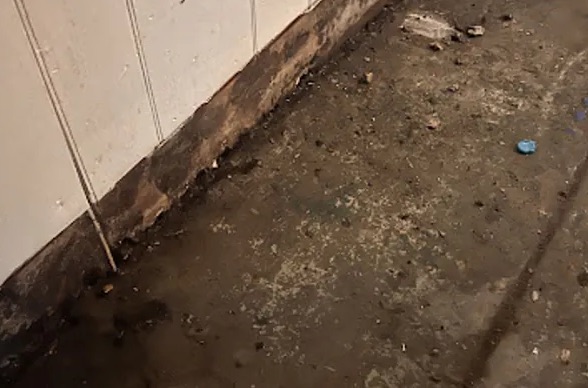
Local Unattended Death Cleanup for Properties in Long Island
In Long Island, the risks after an unattended death come from decomposition and the pathogens it leaves behind. Local biohazard remediation pros are trained for this cleanup, including cluttered homes that need clearing first.
Unattended death cleanup in Long Island involves careful cleaning and removal of affected materials, from flooring to furniture. The pros also serve neighboring communities like Ronkonkoma, Central Islip and Oakdale with discretion.
The Unattended Death Cleanup Process in Long Island, NY
Body Fluid Cleanup Decontamination
Pros disinfect affected surfaces with hospital-grade products and remove porous materials that cannot be cleaned.
Trauma Scene Material Removal
Pros decide which items can be cleaned and which must go, preparing the area for disinfection.
Crime Scene Cleanup Services
Pros clean up after violent crimes or accidents with care for the family and training in bloodborne pathogen cleanup.
Decomposition Odor Removal
Thermal fogging reaches into walls and subflooring to neutralize odor compounds at their source.
Trauma Scene Waste Removal
Contaminated materials are packaged and labeled as regulated medical waste and transported for proper disposal.
Warning Signs You Need Unattended Death Cleanup
Localized Pathogen Concerns
Concern about bloodborne pathogens in a room calls for professional disinfection of every surface.
Staining on Walls or Ceilings
Stains running down walls often come from fluids moving through building materials.
Discovery of Trauma Scene Waste
Medical debris or contaminated materials left at a scene need professional removal.
Crime Scene Tape or Markers
Crime scene tape or markers left behind confirm the area still needs cleanup.
How Unattended Death Cleanup Works in Long Island
Step 1: Initial Death Scene Cleanup Assessment
The pros assess the scene to plan the cleanup and identify materials that must be removed.
Step 2: Hoarding Cleanup and Debris Removal
If the home is cluttered, pros clear it and remove biohazards as part of the same process.
Step 3: Comprehensive Blood Cleanup Procedures
Affected areas get careful blood cleanup with EPA-registered disinfectants until they are clean.
Step 4: Air Scrubbing for Odor Elimination
Air scrubbers and foggers remove the last of the decomposition odor from the home.
Situations Leading to Unattended Death Cleanup in Long Island
Unattended Death in a Home
A person dying alone leads to decomposition that creates a complex cleanup over time.
Severe Hoarding Behavior
Severe hoarding can trap biological waste and fluids under clutter where they go unnoticed.
Chronic Illness Complications
Long illness at home can leave fluids on bedding and floors that need professional disinfection.
Traumatic Injury or Accident
Traumatic injuries or accidents can leave blood on floors and walls that needs professional cleanup.
Unattended Death Cleanup for Long Island Homes and Businesses
Residential Unattended Death Cleanup
In homes, pros clean bedrooms, bathrooms and living areas, removing affected materials and sanitizing so the family can return.
Commercial Unattended Death Cleanup
The pros in Long Island handle discreet cleanup in offices, stores and rentals to limit disruption and meet health standards.
Professional Unattended Death Cleanup Over DIY Cleanup Attempts
If you find an unattended death, leave the area right away and avoid touching anything. Do not try to clean or remove odor yourself, since that can spread pathogens; contact the pros.
Unattended Death Cleanup Cost in Long Island, NY
The cost in Long Island depends on how much area is contaminated, the materials affected and the disinfection needed.
Scope of Contamination
The total area needing fluid cleanup and disinfection is a main cost driver in Long Island.
Emergency Response Timing
Emergency response outside normal hours can affect the price of the service.
Hoarding Conditions
Clearing a cluttered home as well as cleaning the scene expands the scope of work.
Does Insurance Cover Unattended Death Cleanup?
Policies vary in how they treat these incidents. The pros record the scene before and after cleanup, and your insurer decides coverage.
Benefits of Local Biohazard Remediation Pros for Unattended Death Cleanup
Detailed Scene Documentation
Records of the damage and cleanup are provided for your files or insurance questions.
Forensic Cleaning Protocols
Defined cleaning steps address both visible and microscopic contamination on every surface.
24/7 Emergency Response
Specialists are available at any hour to secure the scene and begin cleanup.
Round-the-Clock Unattended Death Cleanup for Homes in Long Island
For unattended death cleanup in Long Island, call (516) 475-5895 for a 24/7 response. The pros can secure the scene and begin an assessment.
Call Now (516) 475-5895Unattended Death Cleanup Near Long Island: Areas Served
The pros respond to unattended deaths throughout Long Island and nearby towns such as Ronkonkoma, Central Islip and Oakdale.
Unattended Death Cleanup FAQs
Does unattended death cleanup include hoarding cleanup?
If the home is cluttered, the job can include clearing it and deep cleaning the affected areas.
How long does trauma scene waste removal take?
It depends on how far contamination spread and the materials affected, which the pros assess on site.
What happens during pathogen decontamination?
EPA-registered disinfectants are applied with the required contact time to destroy all biological hazards.
How is privacy maintained during death scene cleanup?
Pros work quietly, keep details private and focus only on cleaning and restoring the property.
What is the difference between crime scene cleanup and biohazard cleanup?
Crime scene cleanup is one type of biohazard cleanup that may also involve evidence considerations.