Long Island, NY · Nassau and Suffolk counties
Virus & Bacteria Disinfection in Long Island, NYBiohazard Decontamination Cleaning & Whole Room Fogging Disinfection
Virus & Bacteria Disinfection in Long Island includes virus disinfection service, bacteria disinfection service and HVAC system disinfection.
Answered 24/7
Get Virus & Bacteria Disinfection Help in Long Island, New York
For homes and businesses in Long Island, regular disinfection lowers infection risk and keeps spaces clean. Local virus disinfection pros offer options from surface cleaning to HVAC disinfection.
In Long Island, property managers and homeowners rely on professional disinfection to control germs. The pros disinfect surfaces with fogging and spraying, also serving nearby places like Ronkonkoma, Central Islip and Oakdale.
Available Virus & Bacteria Disinfection Treatments in Long Island
Biohazard Decontamination Cleaning
Contaminated materials are bagged and disposed of under regulations, then the area is disinfected in stages.
Whole Room Fogging Disinfection
The room is closed, fogged and left for the dwell time, then ventilated before use.
Post-Flu Outbreak Disinfection
After a flu case, pros disinfect surfaces and air pathways with products that work against influenza.
Electrostatic Disinfection Spraying
Electrostatic spraying covers large areas more thoroughly than wiping, including furniture and hard-to-reach spots.
Surface Disinfection Services
Pros reduce germs on counters, tables and fixtures to safe levels using approved products.
Signs You Need Virus & Bacteria Disinfection in Long Island
Visible Mold or Mildew Growth
Damp, stained areas from past leaks can hold bacteria and need cleaning and drying.
Unexplained Foul Odors
Musty, sour or rotten smells can point to bacteria or biological contamination.
Before a Vulnerable Person Moves in
Before an elderly, infant or immune-compromised person moves in, disinfection helps protect them.
High-Traffic Shared Spaces
Doorknobs, switches and counters in busy areas spread germs from one person to the next.
How Virus & Bacteria Disinfection Works in Long Island
Step 1: Detailed Pathogen Assessment
The pros identify the contaminated areas and the germs involved to choose methods and products.
Step 2: Containment and Air Scrubbing
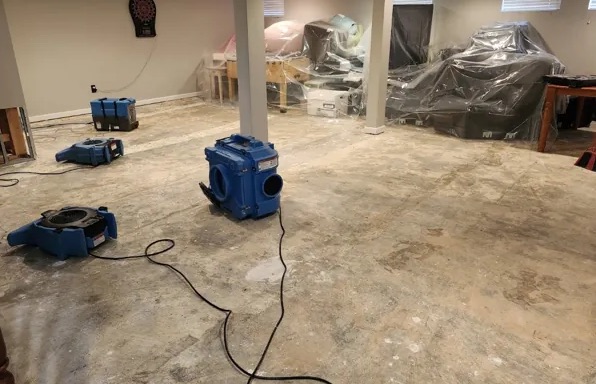
Containment and HEPA air scrubbers capture airborne germs and prevent any cross-contamination.
Step 3: Electrostatic Disinfection Application
Electrostatic sprayers apply hospital-grade disinfectant that wraps around surfaces and reaches tight spots.
Step 4: Verification and Air Purification
After the contact time, surfaces may be checked and the air is cleaned to finish the job.
Sources of Virus & Bacteria in Long Island Homes
Pet Accidents and Waste
Animal urine and feces can carry bacteria and parasites harmful to people.
Biological Fluid Spills
Spills of blood, vomit or other bodily fluids create immediate biohazards that need professional care.
Sewage System Failures
Backed-up toilets or drains bring norovirus and other dangerous germs into the living space.
Poor Ventilation Systems
HVAC systems recirculate air and can spread germs to every connected room.
Residential & Commercial Virus & Bacteria Disinfection in Long Island
Residential Virus & Bacteria Disinfection
At home, pros disinfect kitchens, bathrooms, play areas and bedrooms, using fogging to reach hidden germs in homes in Long Island.
Commercial Virus & Bacteria Disinfection
For businesses in Long Island, pros disinfect shops, break rooms and shared equipment, using electrostatic spraying for full coverage.
Professional Virus & Bacteria Disinfection Versus DIY in Long Island
Wipe frequently touched surfaces like counters and light switches with an EPA-registered disinfectant, following the contact time on the label. For confirmed outbreaks or biohazards, contact the pros.
Virus & Bacteria Disinfection Service Cost Considerations in Long Island
The cost in Long Island depends on how far contamination spread and which methods are needed to remove it.
Post-Cleaning Verification
Testing after disinfection to confirm results is a separate service with its own fee.
Area Square Footage
Larger homes or commercial spaces in Long Island need more product and labor hours.
Required Disinfection Method
Electrostatic spraying or HVAC disinfection uses specialized equipment that affects the price.
Does Insurance Cover Virus & Bacteria Disinfection?
Consult your insurer before work begins. The pros in Long Island provide documentation of the damage, but coverage decisions belong to the insurer.
Why Choose Local Virus Disinfection Pros for Virus & Bacteria Disinfection in Long Island
Post-Service Guidance
You get clear information on what was done and any follow-up steps to take.
Comprehensive Area Treatment
Both surfaces and air are treated, with fogging and HVAC disinfection where needed.
EPA-Registered Disinfectants
Hospital-grade EPA-registered products are effective against a broad range of viruses and bacteria.
24/7 Emergency Virus & Bacteria Disinfection in Long Island
Unexpected biohazards need fast containment. Call (516) 475-5895 to reach the pros who can begin disinfection for virus or bacteria problems.
Call Now (516) 475-5895Local Virus & Bacteria Disinfection Serving Long Island and Beyond
HVAC disinfection and whole-room fogging are available in Long Island and nearby Ronkonkoma, Central Islip and Oakdale.
Virus & Bacteria Disinfection FAQs for Long Island Clients
Are pets and people safe during disinfection cleaning?
People and pets should leave during application and dwell time; the pros say when it is safe to return.
How long does a typical virus disinfection service take?
A single room may take a few hours, while a whole building can take a day or more.
What does post-flu outbreak disinfection entail?
Disinfecting high-touch surfaces and shared areas to stop the flu from spreading to others.
Can furniture and electronics be disinfected safely?
Yes, with suitable products and careful application; the pros check materials first to avoid damage.
Why choose professional pathogen disinfection over DIY?
The pros use industrial products, electrostatic sprayers and the correct contact times household products cannot match.