Long Island, NY · Nassau and Suffolk counties
Mold Prevention Coatings in Long Island, NYBasement Mold Prevention Coatings & Mold Prevention Coating Application
Mold Prevention Coatings in Long Island cover mold prevention treatment services, mold control paint services and basement mold prevention coatings.
Answered 24/7
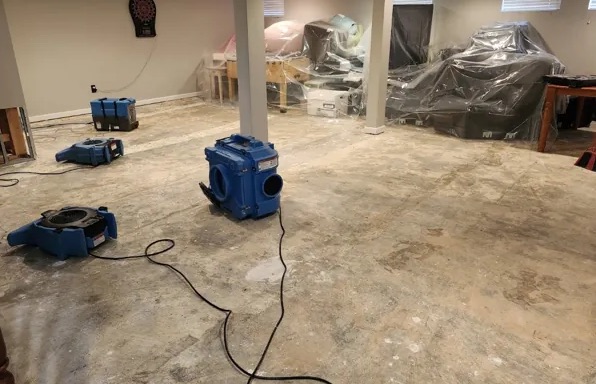
Mold Prevention Coatings Service in Long Island
In Long Island, coatings lower mold risk in basements, crawlspaces and bathrooms. A properly applied coating stops spores from thriving, preventing health concerns and property damage.
Mold prevention coatings help properties in Long Island and nearby areas like Ronkonkoma, Central Islip and Oakdale resist moisture. Local restoration experts apply mold-resistant paint and coatings to walls, ceilings and bathrooms. It protects indoor air and the structure.
Mold Prevention Coatings Services in Long Island
Basement Mold Prevention Coatings
Protecting basement surfaces with mold prevention coatings prevents costly damage. For homes in Long Island, this treatment maintains dry, healthy basements.
Mold Prevention Coating Application
Mold-inhibiting coatings are applied to interior walls and ceilings. For homeowners in Long Island, professional application typically means longer-lasting protection and even coverage.
Bathroom Mold Prevention Coatings
Applying mold prevention coatings in bathrooms adds a protective layer where humidity is highest. Pros prepare the surface, treat any existing mold and apply the coating evenly.
Post-Remediation Mold Prevention
After mold remediation, applying preventative coatings helps prevent recurrence. For homes in Long Island, it protects the results of earlier remediation.
Mold Resistant Paint Application
Professional mold resistant paint application delivers long-term protection when surfaces are properly prepared. The experts clean and prime surfaces so the paint bonds and lasts.
Indicators That Mold Prevention Coatings Could Benefit Your Home
Persistent Musty Odors
A damp, earthy smell lingers in your bathroom or basement despite cleaning efforts. This often signals hidden mold growth behind walls or under floors.
High Indoor Humidity Levels
Your home consistently feels clammy, or a hygrometer reads above 60 percent relative humidity. Elevated humidity is a primary driver for mold proliferation.
Recent Water Damage History
Your home had a past leak, flood, or plumbing issue that was dried but not treated. Mold can regrow in these previously affected areas.
Peeling Paint or Wallpaper
Paint bubbles, cracks, or wallpaper loosens without an obvious cause. Moisture from mold growth underneath is a common culprit for this damage.
How Mold Prevention Coatings Work in Long Island
Step 1: Pre-Application Testing and Measurement
Surfaces are checked for moisture and condition, and the area is measured to work out how much coating is needed.
Step 2: Targeted Surface Preparation
Preparation varies by substrate: drywall may need sealing, while concrete might require etching. This step helps the coating last.
Step 3: Strategic Coating Layering
The mold prevention coating is applied in strategic layers, often starting with corners and edges. Several thin coats can make a better barrier than one thick coat.
Step 4: Quality Inspection and Client Walkthrough
Once complete, the work is inspected for uniformity and adhesion. Pros explain the features of the newly applied mold prevention for walls and provide guidance on maintaining the results.
Primary Causes of Mold Infestation in Long Island
Organic Material on Surfaces
Dust, cellulose, and other organic debris on walls, ceilings, or in ducts provide a food source for mold when combined with moisture.
Capillary Action From Foundations
Groundwater can wick up through porous concrete or masonry in basements and crawl spaces. This introduces constant moisture into the building materials.
Condensation on Cold Surfaces
Warm, humid air contacting colder exterior walls, pipes, or windows forms water droplets. This creates localized wet areas ideal for mold.
Poor Ventilation in Wet Rooms
Bathrooms and laundry rooms lacking exhaust fans trap steam and moisture. This stagnant air allows condensation to settle on walls and ceilings.
Residential and Commercial Mold Prevention Coatings in Long Island
Residential Mold Prevention Coatings
Stop mold before it starts in your house. The work involves applying mold resistant coatings to susceptible surfaces like basement walls and bathroom ceilings.
Commercial Mold Prevention Coatings
Implement a mold prevention plan for your commercial building. The work includes treatments for damp areas and mold-resistant paint in storage spaces. This proactive approach by the experts supports a cleaner, safer work environment for occupants.
Mold Prevention Coatings vs. DIY: When to Call Restoration Experts
You can apply consumer-grade mold resistant paint to small, accessible areas after proper surface preparation, following all manufacturer safety guidelines. Keep the room well ventilated while the coating dries.
Mold Prevention Coatings Investment in Long Island
In Long Island, tight spaces like crawl spaces or areas behind fixtures take more time and equipment, which raises the cost.
Local Labor Rates
Prevailing rates for the pros in Nassau and Suffolk counties for applying mold resistant paint are a standard component of the service estimate.
Number of Coats
An effective barrier often needs several coats, which adds product and time.
Area Accessibility
Hard-to-reach spaces like tight corners or behind appliances in Long Island homes slow down the mold prevention treatment process, affecting labor duration.
Does Insurance Cover Mold Prevention Coatings?
Most policies exclude preventive maintenance. If coating application is part of the repair process for a covered water damage claim, some costs may be considered.
Why Long Island Property Owners Choose Local Experts for Mold Prevention
Documentation for Claims
The process and findings are documented with photos and notes that you can provide to your insurance company for your records.
Thorough Application Process
Coatings are applied with no gaps, which is key to how well they work.
Basement & Bathroom Expertise
Knowledge of high-humidity environments guides the approach for mold prevention in basements and bathrooms where condensation is a common challenge.
Round-the-Clock Mold Prevention Coatings for Long Island Emergencies
Found active mold or recent water damage? Call (516) 475-5895 any time. The pros can check whether cleanup is needed first and whether a mold-resistant coating makes sense.
Call Now (516) 475-5895Mold Prevention Coatings Service Area Around Long Island
For homes in Long Island, post-remediation mold prevention coatings help protect areas after water damage cleanup. It is available in Long Island and the wider area, including Ronkonkoma, Central Islip and Oakdale.
Frequently Asked Questions About Mold Prevention Coatings
What does basement mold prevention involve?
Basement mold prevention starts with fixing moisture sources, then applying mold-resistant paint or coatings to walls and floors.
What is the difference between mold proofing and mold remediation?
Mold remediation involves removing existing mold contamination, while mold proofing or mold prevention focuses on applying protective treatments to surfaces to inhibit future mold after cleanup.
Is surface preparation needed before mold prevention treatment?
Yes, surfaces must be clean and dry with no mold present, and any active growth must be remediated before coating.
How does mold resistant paint work?
Mold resistant paint incorporates antimicrobial agents that disrupt mold's ability to grow and colonize on the dried paint film, providing a surface less hospitable to spores.
Where should anti mold coating be applied?
Anti mold coating is typically applied in moisture-prone areas such as basement walls, bathroom ceilings, laundry rooms, and any space with a history of condensation or water exposure.