Long Island, NY · Nassau and Suffolk counties
Wet Insulation Removal & Replacement in Long Island, NYAttic Leak Water Cleanup & Ceiling Water Damage Cleanup
Wet Insulation Removal & Replacement in Long Island covers emergency attic water extraction, wet attic insulation removal, and attic drying services.
Answered 24/7
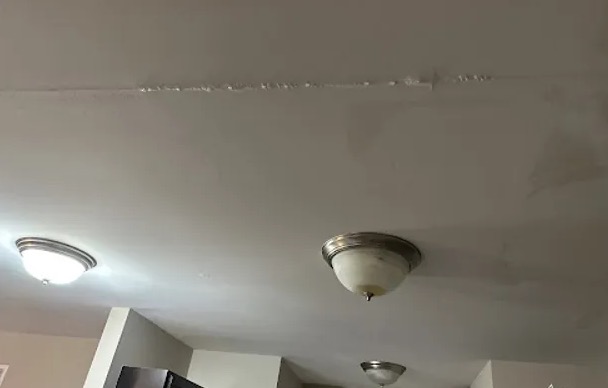
Local Wet Insulation Removal & Replacement Services in Long Island
For property owners in Long Island, photos of the wet insulation and each repair step give the insurer a clear record of the loss and the work done.
Homes in Long Island and nearby Ronkonkoma, Central Islip and Oakdale get the same process after an attic leak: inspection, removal of wet insulation, drying to industry standards, and replacement.
Detailed Wet Insulation Removal & Replacement Process in Long Island
Attic Leak Water Cleanup
The work covers removing water, drying the attic, and cleaning every surface the leak water touched.
Ceiling Water Damage Cleanup
A sagging ceiling in Long Island can hold pooled water. Pros drain it safely, then dry the drywall or remove it if it has gone soft.
Emergency Attic Water Extraction
After a burst pipe or tank leak in the attic, extractors remove standing water so the ceiling does not have to hold its weight.
Attic Drying Services
After water removal, air movers and dehumidifiers run in the attic while pros check the wood with meters until it reaches normal dryness.
Attic Moisture Inspection
An attic moisture inspection in Long Island maps how far the water spread, so removal covers every wet area and nothing more.
Indicators of Water Damaged Attic Insulation
Mold Growth on Wood Surfaces
Black or green spots on rafters or sheathing mean the attic has stayed damp long enough for mold to start.
Rust Stains on Ventilation Pipes
Rust on plumbing vents or HVAC ducts in the attic points to ongoing condensation or a slow leak wetting the insulation nearby.
Visible Water Stains on Insulation
Tide marks or brown stains on insulation batts show where a leak has wet them, and stained batts usually need full replacement.
Condensation on Roof Sheathing
Water droplets or frost under the roof deck in winter show high attic moisture that can soak the insulation below.
How Wet Insulation Removal & Replacement Works in Long Island
Step 1: Containment and Safety Setup
Plastic sheeting goes up around the attic hatch and work area to keep dust and debris out of the rest of the home.
Step 2: Extraction and Damaged Material Removal
Remaining water is extracted and all wet insulation is removed, exposing every damp surface for drying.
Step 3: Drying to Prevent Mold Growth
Dehumidifiers and air movers pull moisture from rafters, joists, and sheathing until readings return to normal.
Step 4: Insulation Replacement and Cleanup
With the attic confirmed dry, new insulation is installed to the proper depth and the work area is cleaned.
Common Causes of Wet Insulation in Long Island
Roof Leaks From Storm Damage
Missing shingles or damaged flashing from wind or hail let rain into the attic, where it soaks straight into the insulation.
HVAC Unit Condensate Drain Overflow
A clogged or loose condensate drain on an attic air handler can spill gallons of water into the insulation.
Condensation From Poor Ventilation
Poor attic airflow lets warm, damp air from the house condense on cold roof surfaces and drip onto the insulation.
Overflow From a Clogged Gutters
Gutters packed with debris overflow against the roof edge, and the water can seep into the attic eaves and insulation.
Wet Insulation Removal & Replacement for All Property Types in Long Island
Residential Wet Insulation Removal & Replacement
Homes need fast action before wet insulation stains ceilings and soaks the framing. Restoration pros respond 24/7, measure the damage, then remove, dry, and replace.
Commercial Wet Insulation Removal & Replacement
Commercial facilities need to reopen quickly. Pros check air handlers and ducts near the wet attic area, since moisture there can spread odors through the building.
Professional Wet Insulation Removal & Replacement Versus DIY Methods
Mark ceiling water stains and keep people out of the room below. Do not pull down a wet ceiling before the source is found, because the pros locate the leak first.
What Affects Wet Insulation Removal & Replacement Cost in Long Island
In Long Island, overall cost reflects how long the job runs and how much drying equipment the attic needs to reach normal moisture levels.
Disposal and Debris Removal
Wet insulation and debris must be hauled out and disposed of, and fees rise with the volume removed.
Required Drying Time
More days of drying with air movers and dehumidifiers means more equipment time on the final bill.
Replacement Material Quality
Higher R-value or specialty insulation costs more than a basic like-for-like replacement of the old material.
Does Insurance Cover Wet Insulation Removal & Replacement?
Your policy language decides coverage for attic insulation removal. The pros provide thermal images and readings to support the claim; confirm limits and deductibles with your insurer.
Benefits of Local Water Removal Pros in Long Island
Safe Contaminated Material Handling
Wet, musty insulation is removed behind plastic sheeting so dust does not spread into the living spaces.
24/7 Emergency Response
Help is available at any hour when an attic leak starts staining or sagging the ceiling below.
Mold Prevention Protocols
Antimicrobial treatment may be applied after drying to slow mold on attic wood that stayed wet.
24/7 Emergency Wet Insulation Removal & Replacement in Long Island
A flooded attic needs the water out and drying started as soon as possible. Call (516) 475-5895 now for attic water damage cleanup and insulation removal.
Call Now (516) 475-5895Wet Insulation Removal & Replacement Available Throughout Long Island
Wet insulation removal and replacement is available across Long Island, including Long Island and nearby Ronkonkoma, Central Islip and Oakdale.
Frequently Asked Wet Insulation Removal & Replacement Questions
What are signs of water damaged attic insulation?
Look for damp or sagging insulation, a musty smell, stains on the roof sheathing, higher energy bills, and frost under the roof deck in winter.
How do pros handle moldy insulation removal safely?
Pros set up plastic containment and negative air machines, wear protective gear, and bag the material before carrying it out of the attic.
What types of insulation are used for replacement?
Common choices are fiberglass batts, blown-in cellulose, or spray foam, picked to suit the attic's design, the local climate, and energy goals.
What is involved in wet insulation removal and replacement?
Water is extracted first, then the soaked insulation is removed. The attic is dried with commercial equipment, and new insulation goes in once readings are normal.
Does ceiling water damage cleanup affect the attic?
Yes. A ceiling stain usually means water is sitting in the attic above, so the insulation there must be checked and the leak stopped.