Long Island, NY · Nassau and Suffolk counties
Black Mold Remediation & Removal in Long Island, NYAntimicrobial Treatment For Mold Remediation & HEPA Vacuuming For Mold Spores
A typical black mold remediation & removal project in Long Island starts with black mold inspection, mold containment procedures, and antimicrobial treatment for mold remediation.
Answered 24/7
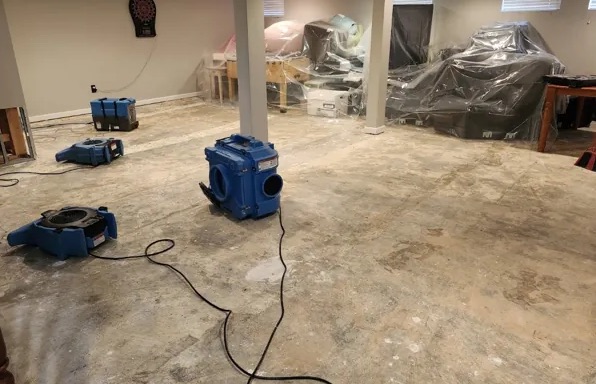
Expert Black Mold Remediation & Removal Available in Long Island
Black mold in a Long Island property needs proper containment and removal. Testing can identify the species, but removal must not spread spores.
Black mold remediation and removal for properties in Long Island and nearby places like Ronkonkoma, Central Islip and Oakdale addresses localized moisture issues that foster toxic mold. The process includes HEPA vacuuming and antimicrobial treatment.
Detailed Black Mold Remediation & Removal Process in Long Island
Antimicrobial Treatment for Mold Remediation
Antimicrobial application is a common follow-up treatment in the mold remediation process. It is used on the structural surfaces that remain after contaminated materials have been taken out.
HEPA Vacuuming for Mold Spores
In the Long Island area, mold remediation specialists use HEPA vacuuming as a standard cleaning procedure. It removes lingering contaminants from surfaces.
Mold Containment Procedures
In Long Island, the pros implement strict containment procedures before disturbing any mold. It keeps the work site isolated and airborne spores under control.
Moisture Control Consultation
First, all affected areas are found. The specialists map the contamination to plan containment and removal.
Mold-Contaminated Material Removal
Porous materials like drywall, insulation, and carpeting that are heavily contaminated with black mold are typically removed and discarded. This removes most of the mold.
Indicators for Black Mold Remediation & Removal in Your Home
Damp Basement or Foundation Walls
Efflorescence, damp spots or general dampness in lower levels are ideal for black mold.
Peeling Paint or Wallpaper
Paint bubbling or wallpaper peeling away from the wall is often caused by moisture trapped underneath, which fuels mold growth.
Deteriorating Attic or Crawlspace
Wet insulation, rotted wood or visible mold in these hidden spaces are common signs of a serious mold problem.
Warped or Stained Drywall
Discoloration, bulging, or softening of drywall or ceiling materials points to moisture damage and likely mold contamination.
How Black Mold Remediation & Removal Works in Long Island
Step 1: Detailed Scope and Moisture Mapping
The experts conduct an inspection to define the full scope, using tools to detect hidden moisture and plan the mold remediation process.
Step 2: Advanced Air Quality Management
Air scrubber installation for mold remediation begins immediately to purify the air.
Step 3: Complete Material Removal and Treatment
The core of black mold removal is the safe disposal of contaminated drywall, insulation, or carpet.
Step 4: Final Inspection and Source Correction
The final action is moisture source correction, the key to long-term mold prevention success.
Common Causes of Black Mold in Long Island
Condensation on Cold Surfaces
Warm, moist air contacting cold pipes, windows, or exterior walls causes condensation, which soaks into materials and feeds mold growth.
Inadequate Attic Ventilation
Poor airflow in the attic traps heat and moisture from the living space below, promoting mold growth on roof sheathing and insulation.
Poor Bathroom Ventilation
Inadequate exhaust fans allow steam from showers to saturate walls and ceilings, creating a perfect habitat for black mold growth.
High Indoor Humidity Levels
Consistently high humidity from daily activities or a faulty AC unit provides the constant moisture mold spores need to thrive and spread.
Both Residential & Commercial Black Mold Remediation & Removal in Long Island
Residential Black Mold Remediation & Removal
The specialists in Long Island perform cleaning and may recommend air scrubber installation to improve overall indoor air quality after remediation.
Commercial Black Mold Remediation & Removal
In commercial settings like hotels or apartment complexes, widespread mold issues demand scalable solutions. The experts coordinate large-scale containment, removal, and post-remediation verification to protect numerous occupants.
When to Handle Mold Yourself vs. Call Mold Remediation Specialists
Using a dehumidifier in damp basements or crawlspaces can assist with mold prevention by controlling moisture levels. If you smell a persistent musty odor or experience health symptoms, stop DIY efforts and schedule an assessment with the specialists.
Pricing for Black Mold Remediation & Removal Services in Long Island
The complexity of containment procedures, necessary to prevent cross-contamination during the mold abatement process, significantly influences overall service pricing due to labor, material, and equipment setup time.
Antimicrobial Application
Treating all affected surfaces and cavity spaces with EPA-registered biocides after mold removal is a standard material expense.
Moisture Source Correction
Identifying and repairing the root cause, like a leaky pipe or poor ventilation, adds plumbing or carpentry service costs.
Material Removal Volume
The amount of drywall, insulation, or flooring that is unsalvageable and requires disposal affects debris hauling and replacement costs.
Does Insurance Cover Black Mold Remediation & Removal?
Black mold in walls caused by a covered peril, such as a ruptured supply line, may lead to insurance assistance for removal. Moisture maps and photos support your claim. Final coverage approval belongs to your insurance carrier.
Benefits of Local Specialists for Black Mold Remediation & Removal
Safe Contaminated Material Removal
Mold-damaged drywall and insulation are bagged and sealed on-site for safe disposal, following local regulatory guidelines.
Antimicrobial Treatment Application
Applying EPA-registered agents to cleaned surfaces inhibits future mold growth on framing and sub-surfaces after material removal.
Post Remediation Verification Testing
Final air and surface sampling provides objective confirmation that the mold abatement process achieved clearance standards.
Urgent Black Mold Remediation & Removal Available in Long Island
Need help now? Round-the-clock help is a call away. To start the mold remediation process and secure your home, contact local specialists at (516) 475-5895 now.
Call Now (516) 475-5895Black Mold Remediation & Removal Service Area Including Long Island
Mold removal services address toxic mold in properties throughout Long Island, serving residents in Long Island and surrounding communities such as Ronkonkoma, Central Islip and Oakdale.
Common Black Mold Remediation & Removal Questions Answered
How long does professional mold removal take?
Project duration depends on the extent of mold and accessibility. A small, contained area may take a day, while whole-house remediation can require several days.
What are the signs of a black mold problem?
Visible black or dark greenish mold, a persistent musty odor, and unexplained allergic symptoms or health issues among occupants can indicate a mold issue.
Why is mold inspection a critical first step?
Inspection with moisture meters and thermal imaging finds the full extent of damage, including hidden mold, which is necessary for an accurate remediation plan.
Can mold return after professional remediation?
Mold can return if the original moisture source is not correctly identified and fixed. Lasting mold prevention relies on eliminating the water problem.
Why is air scrubber installation used for mold?
Air scrubbers with HEPA filters continuously clean the air inside the containment zone, capturing airborne mold spores released during the removal and cleaning process.