Long Island, NY · Nassau and Suffolk counties
Heating Equipment Fire Restoration in Long Island, NYSmoke Odor Elimination & Heating Equipment Fire Debris Removal
Heating Equipment Fire Restoration in Long Island addresses heating system soot cleanup, smoke odor elimination, and fire damaged duct cleaning.
Answered 24/7
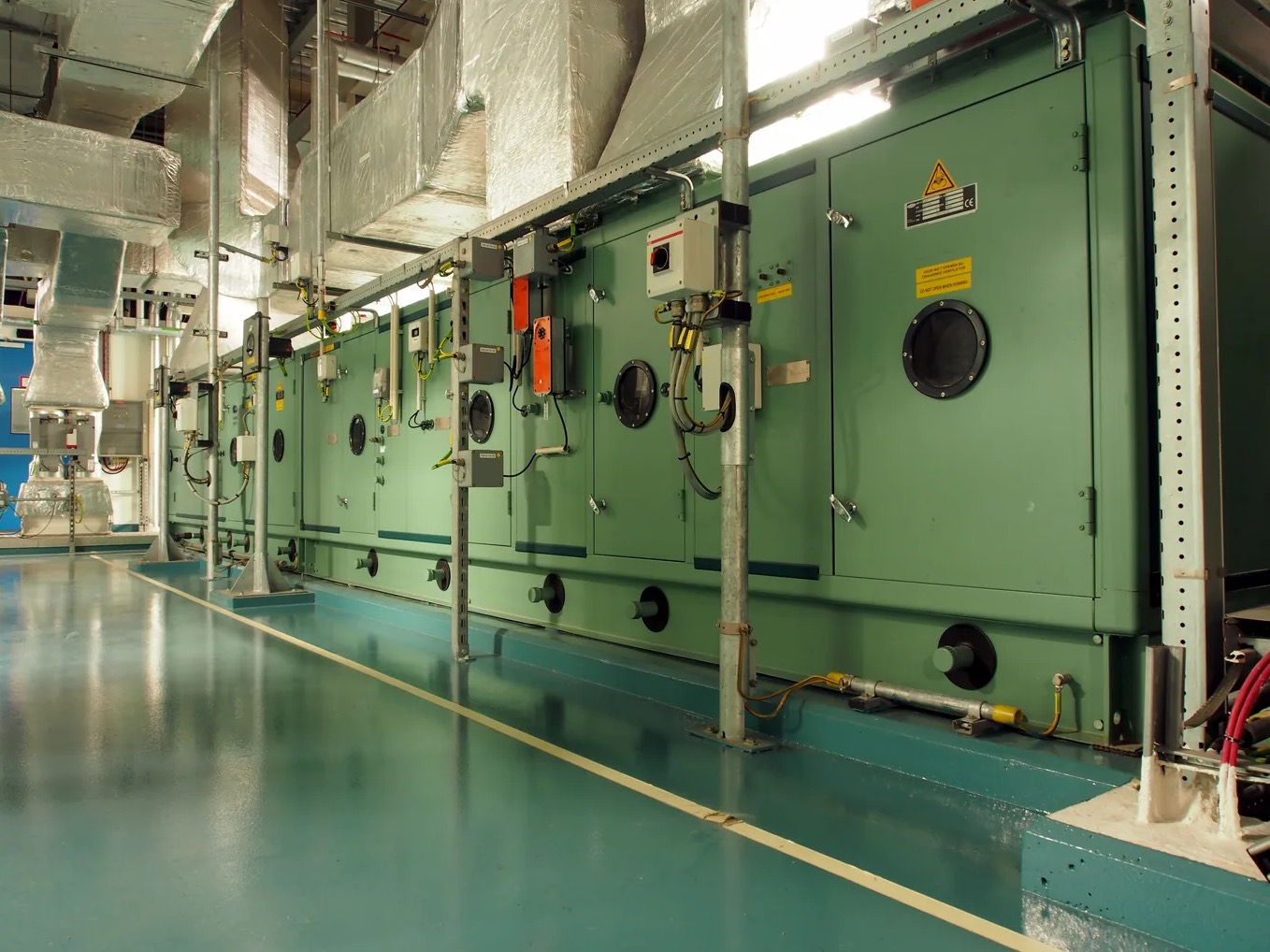
Local Heating Equipment Fire Restoration for Long Island Residents
In Long Island, restoration stops soot damage and poor indoor air after a fire. Local heating equipment fire restoration pros assess the HVAC system and remove soot from the structure.
In Long Island and nearby Ronkonkoma, Central Islip and Oakdale, the work focuses on smoke cleanup and duct cleaning. Local heating equipment fire restoration pros test air quality and clean contents after a fire. The pros in Long Island work in occupied homes as well as vacant properties and active businesses.
Detailed Heating Equipment Fire Restoration Services for Long Island
Smoke Odor Elimination
Smoke odor elimination tackles the persistent smell permeating fabrics and drywall after a heating equipment fire. The process involves advanced techniques like thermal fogging to neutralize odor molecules.
Heating Equipment Fire Debris Removal
Burnt wiring and ash from a heating system fire pose ongoing risks. The pros clear and contain fire-damaged materials before repairs begin.
Fire Damaged Duct Cleaning
HVAC ducts can harbor harmful residues after a heating unit fire. The pros perform a complete duct cleaning to extract these particulates.
Emergency Fire Board Up
Boarding up after a fire maintains the security and weathertight integrity of a home. The pros cover broken windows and damaged entry points.
Fire-Damaged Heating System Evaluation
A fire-damaged heating system evaluation assesses safety and functionality. The pros identify compromised parts, from burners to thermostats, that could fail if reused.
Warning Signs You Need Heating Equipment Fire Restoration
Unusual Noises From Heating Unit
New rattling or whistling from the heater after a fire can mean damaged parts that should be checked before it runs again.
Soot on Heating System Vents
Soot deposits on your heating vents mean the system needs professional cleanup before you run it.
Breathing Irritation After the Fire
Respiratory discomfort indoors suggests poor air quality, making post-fire air quality testing important.
Visible Ductwork Discoloration
Discolored metal on your heating ducts often means internal smoke damage cleanup is required.
How Heating Equipment Fire Restoration Works in Long Island
Step 1: Emergency Assessment and Board Up
The pros first secure the site with emergency fire board up. They document all heating unit fire damage for your insurance claim with photos and notes.
Step 2: Soot and Smoke Residue Removal
Soot is removed from all surfaces first, including the walls around the unit and the heating system itself.
Step 3: Deep Duct and HVAC Cleaning
Fire damaged duct cleaning uses industry-standard equipment to remove soot and ash. An HVAC component assessment verifies each part's safety and function after the fire incident.
Step 4: Air Quality Testing and Odor Elimination
Final smoke odor removal techniques are applied. Post-fire air quality testing confirms the environment is clean before the heating equipment fire restoration is complete.
Primary Triggers for Equipment Fire Damage in Long Island
Overheating Boiler or Heat Exchanger
A failing boiler or cracked heat exchanger can overheat and start a fire.
Clogged Heating System Airflow
Severely restricted airflow makes a heater overheat, potentially causing a fire and smoke damage cleanup.
Mechanical Furnace Component Failure
A failing blower motor or bearing can create extreme friction and sparks, causing heating equipment fire damage.
Flammable Storage Near Heating Unit
Paints or chemicals stored next to a furnace can catch fire and fill the house with smoke.
Heating Equipment Fire Restoration for Homes and Businesses in Long Island
Residential Heating Equipment Fire Restoration
In residences, a furnace fire leaves pervasive soot. The experts focus on fire damaged duct cleaning to stop ongoing contamination. Board-up secures the property and smoke cleanup makes the home livable again.
Commercial Heating Equipment Fire Restoration
Commercial properties need rapid fire restoration to reopen. The specialists manage large-scale structural soot removal from offices and retail spaces. Their heating system fire cleanup process minimizes downtime and addresses complex ductwork systems.
Hiring Local Pros vs. DIY Heating Equipment Fire Restoration in Long Island
You can change the HVAC air filter if it is accessible and visibly clogged with soot, wearing gloves. Do not run the furnace or blower to test it, as this spreads contamination. Avoid disturbing soot on walls or ceilings. For structural soot removal, professional fire restoration is required.
Heating Equipment Fire Restoration Cost in Long Island, NY
Heating equipment fire restoration cost in Long Island depends on how badly the unit was damaged and how far soot spread through the ducts and house.
HVAC Assessment Findings
An HVAC component assessment may reveal parts needing repair or replacement, which contributes to the final cost of heating equipment fire restoration.
Soot Contamination Level
Dense soot from a heating system fire requires more intensive cleaning methods and time, directly impacting the restoration labor costs for the pros in Long Island.
Air Quality Testing
Air quality testing confirms the cleanup worked and is a separate step.
Does Insurance Cover Heating Equipment Fire Restoration?
Coverage for soot removal after fire is not universal; it hinges on your individual insurance policy. Professionals performing the work compile evidence like moisture readings and soot samples to aid your insurer's evaluation process.
Benefits of Local Pros for Heating Equipment Fire Restoration in Long Island
Emergency Board Up Services
Securing the property with emergency fire board up protects it from further weather or unauthorized entry after initial damage.
Documentation for Claims
Detailed documentation of all damage and restoration steps is prepared to assist you when you file an insurance claim for the loss.
Comprehensive Smoke Odor Removal
Addressing odor at its source with techniques like thermal fogging targets the lingering smells that simple cleaning often misses after a fire.
Around-the-Clock Emergency Heating Equipment Fire Restoration in Long Island
Smoke and soot from a heating unit fire can quickly damage your home. Contact the pros for help to begin the fire restoration process by calling (516) 475-5895 anytime.
Call Now (516) 475-5895Heating Equipment Fire Restoration Coverage Around Long Island
For residents in Long Island and nearby areas like Ronkonkoma, Central Islip and Oakdale, fire damage restoration following a heating unit incident involves specialized soot removal and air quality recovery processes.
Common Heating Equipment Fire Restoration Questions Answered
Is heating system fire cleanup different from other fires?
Heating oil, furnace and boiler fires often leave dense, oily soot that needs special cleaners.
What does heating equipment fire restoration involve?
It usually includes soot cleanup, smoke odor removal, an HVAC assessment and cleaning of fire-damaged ducts.
What is involved in smoke damage remediation?
Smoke damage remediation addresses both visible residues and invisible odors through cleaning, sealing, or replacing affected materials and using air scrubbing equipment.
How quickly should soot be cleaned after a fire?
Soot is acidic and can etch or stain surfaces, so removal prevents permanent damage.
Why is air quality a concern after a heating fire?
Burning materials and heating fuels release fine particulates and chemicals that linger in the air, posing potential respiratory irritants until properly remediated.