Long Island, NY · Nassau and Suffolk counties
Mold Remediation in Long Island, NYBathroom Mold Remediation & Mold Prevention Services
Mold Remediation in Long Island includes mold inspection services, mold in attic cleanup and emergency mold removal, plus air quality testing.
Answered 24/7
Mold Remediation Experts Serving Long Island
In Long Island, untreated mold can spread through HVAC systems and turn a small cleanup into a large one.
In Long Island and nearby Ronkonkoma, Central Islip and Oakdale, pros remove mold from walls and attics, test air quality where needed and document the work with photos.
Mold Remediation Solutions for Long Island
Bathroom Mold Remediation
Bathroom mold grows where steam lingers: around tubs, showers, vanities and fans. Pros in Long Island remove damaged caulk or drywall and clean with EPA-registered products.
Mold Prevention Services
After removal, a dehumidifier, exhaust fan or roof repair may be recommended. Fixing the original water source does the most good.
Emergency Mold Removal
For widespread mold after a recent leak or flood, pros in Long Island are available around the clock to contain the area and start removal.
Mold Inspection Services
Not sure if you have mold? An inspection checks bathrooms, attics and behind appliances, with readings to back up what is seen.
Black Mold Remediation
Black mold can trigger allergy and breathing symptoms. Mold remediation pros in Long Island contain the area before removing it so spores do not reach other rooms.
Signs Your Long Island Home Needs Mold Remediation
Mold in Air Vents or Ducts
Black residue or fuzzy spots around air vents can mean mold in the HVAC system.
Peeling Paint or Wallpaper
Paint or wallpaper that bubbles, cracks or peels can have moisture and mold behind it.
Spongy or Soft Flooring
Soft or spongy flooring has taken on water and may have mold underneath.
Condensation on Windows or Pipes
Heavy condensation keeps nearby walls and insulation damp enough for mold to grow.
How Mold Remediation Works in Long Island
Step 1: Initial Mold Inspection and Testing
An inspection, often with air testing, identifies the extent of the mold and where it is growing.
Step 2: Containment and Air Filtration
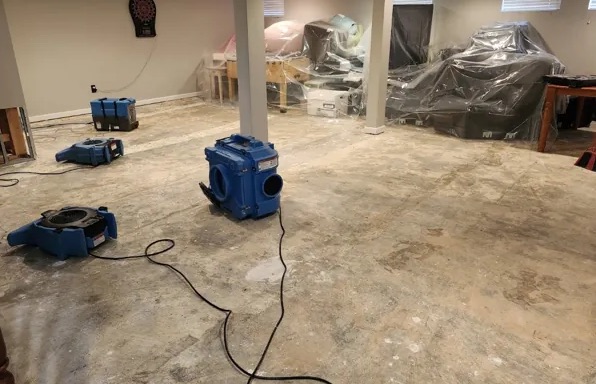
The pros set up containment barriers and HEPA air scrubbers so spores do not reach clean rooms.
Step 3: Mold Removal and Cleaning
Moldy materials are removed or cleaned with antimicrobial products. Porous materials with deep mold are bagged and discarded.
Step 4: Drying and Final Verification
The area is dried, and a final check confirms the space is clean and dry.
Primary Sources of Mold Infestation
Roof Leaks and Water Intrusion
Damaged shingles or flashing let water into the attic and walls, where mold grows on wet wood and insulation.
Inadequate Attic Ventilation
Poor attic airflow traps warm, damp air, which condenses on cold sheathing and grows mold.
Foundation Cracks and Seepage
Cracks in the foundation or slab let groundwater seep in and keep lower floors damp.
Appliance Malfunctions and Overflow
Failed washer hoses, water heaters or ice maker lines cause leaks that grow mold if not dried.
Residential and Commercial Mold Remediation in Long Island
Residential Mold Remediation
In homes, mold grows most in bathrooms, under sinks and in attics after leaks. Pros use containment and air scrubbers to keep spores out of the rest of the house.
Commercial Mold Remediation
In businesses, mold affects the air employees and customers breathe. Pros remove mold from walls, HVAC systems and storage areas while limiting disruption.
Professional Mold Remediation or Do-It-Yourself?
Dry a small clean-water spill within 24 to 48 hours to prevent mold. If materials stayed wet longer or you suspect hidden moisture, testing and drying equipment are needed.
Understanding Mold Remediation Pricing
In Long Island, drying time after removal and post-remediation clearance testing are also part of the final price you pay.
Moisture Source Correction
Fixing the leak or humidity problem that caused the mold is part of a complete job.
Content Cleaning Needs
Cleaning furniture, documents and other belongings exposed to spores adds to the project.
Emergency Service Timing
Night, weekend or holiday emergency work usually costs more than scheduled work.
Does Insurance Cover Mold Remediation?
Coverage usually requires a covered water event that caused the mold. Slow leaks and humidity problems generally are not covered. Confirm with your adjuster.
Choosing a Provider for Mold Remediation in Long Island
Thorough Air Quality Testing
Air testing after cleanup can confirm spore levels are back to normal.
24/7 Emergency Response
Fast action after a leak limits mold spread, and service is available any hour in Long Island.
Moisture Source Identification
Finding and fixing the water or humidity problem keeps mold from coming back.
24/7 Mold Remediation When You Need It Most
Active mold growth spreading after a leak? Call (516) 475-5895 any time, day or night, for emergency mold removal in Long Island.
Call Now (516) 475-5895Mold Remediation Across Long Island and Beyond
The pros handle mold in walls and attics in Long Island, and areas such as Ronkonkoma, Central Islip and Oakdale.
FAQs About Mold Remediation in Long Island
How is the source of moisture for mold found?
With moisture meters, thermal cameras and visual tracing of leaks, condensation and humidity sources.
Is mold air quality testing necessary after cleanup?
It is a common final step. It shows whether indoor spore levels match an outdoor sample.
What does mold inspection services involve?
A visual check, moisture mapping and often air or surface sampling to identify mold type and amount.
How can I prevent mold growth after remediation?
Keep humidity down, ventilate bathrooms and attics, fix leaks quickly and use mold-resistant materials in wet areas.
Can mold in attic spaces affect the whole house?
Yes. Spores from attic mold can travel through the HVAC system or air currents into living areas.
Further Property Recovery Services
- Air Conditioner Mold Cleanup
- Air Duct Mold Removal
- Attic Mold Removal
- Basement Mold Cleanup
- Black Mold Remediation & Removal
- Condensation Problem Mitigation
- Crawlspace Encapsulation
- Crawlspace Mold Remediation
- Crawlspace Vent Sealing & Conditioning
- HVAC Mold Remediation
- Heating Unit Mold Cleanup
- Mold Decontamination
- Mold Growth from Water Leaks Cleanup
- Mold Inspection & Testing
- Mold Prevention Coatings
- Mold Remediation Services
- Mold Structural Damage Restoration
- Post-Remediation Clearance Testing