Long Island, NY · Nassau and Suffolk counties
Fire and Smoke Damage Restoration in Long Island, NYEmergency Fire Damage Cleanup & Fire Odor Elimination Services
Fire and Smoke Damage Restoration in Long Island covers fire damage structural assessment, soot smoke residue cleanup and structural repair.
Answered 24/7
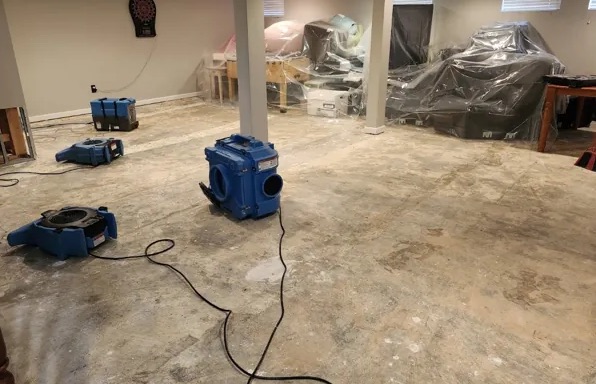
Professional Fire and Smoke Damage Restoration in Long Island, NY
In Long Island, soot and smoke odor that are left in place keep damaging materials and the air indoors. Fire can also weaken parts of the structure.
After a fire in Long Island or nearby Ronkonkoma, Central Islip and Oakdale, local fire restoration specialists handle board-up, soot cleanup, odor removal, structural repairs and everything in between.
Fire and Smoke Damage Restoration Services in Long Island
Emergency Fire Damage Cleanup
Emergency work covers water removal and initial soot cleanup, around the clock, to limit damage from the start.
Fire Odor Elimination Services
Smoke odor sits in upholstery, drywall and insulation. Pros clean the residue first, then use thermal fogging or ozone to break down what is left.
Firefighting Water Damage Mitigation
Moisture meters find water that soaked into walls and subfloor during firefighting, and drying equipment is aimed at those spots.
Fire Damage Structural Assessment
Pros check for hidden charring and heat damage in framing and subfloor, separating cosmetic damage from the parts that carry load.
Emergency Board-Up Services
Every opening is covered, which keeps the inside stable while cleaning and repairs are planned.
Detecting Smoke Damage That Requires Professional Restoration
Visible Soot on Walls and Ceilings
Black or gray powder on surfaces is soot. Wiping it with water or a household cleaner usually smears it deeper.
Contaminated Personal Belongings and Contents
A layer of soot on furniture, electronics and other belongings means they need cleaning before use.
Persistent Acrid Smoke Smell
A smoke smell that lingers in fabrics and walls days after the fire means residue has soaked into porous materials.
Damaged Windows, Doors, or Roof
Broken windows, doors or roof sections leave the building open to weather and intruders until they are boarded up.
How Fire and Smoke Damage Restoration Works in Long Island
Step 1: First Call and Initial Inspection
Pros visit the property to see how far the fire, smoke and water damage reach.
Step 2: Water Mitigation and Structural Stabilization
Standing water from firefighting is removed and the structure is dried so soot cleanup can start safely.
Step 3: Deep Cleaning of All Affected Areas
Walls, ceilings, floors and ductwork are cleaned with methods matched to dry, oily or protein soot.
Step 4: Verification and Clearance Testing
Pros check that odor is gone and surfaces are clean before rebuilding starts.
Leading Sources of Smoke and Soot Damage
Barbecue Grill Mishaps on Patios
A grill set too close to the house can ignite siding or a deck.
Faulty Dryer Vents Lint Accumulation
Lint buildup in dryer vents is a common ignition source, especially in long or crushed vent runs.
Kitchen Cooking Fires and Grease Fires
Unattended stoves and grease fires are a leading cause of house fires and leave heavy, greasy soot.
Children Playing With Matches or Lighters
Children playing with matches or lighters often start fires in closets or bedrooms, leaving concentrated smoke damage.
Residential and Commercial Fire and Smoke Damage Restoration in Long Island
Residential Fire and Smoke Damage Restoration
For houses and condos in Long Island, pros secure the property, clean soot, repair the structure and remove smoke odor.
Commercial Fire and Smoke Damage Restoration
In offices, stores and apartment buildings in Long Island, pros clean soot and treat odor with business interruption in mind.
Fire and Smoke Damage Restoration vs. DIY: When to Call for Help
Light soot on glass can be wiped with a dry soot sponge; test a hidden spot first. Do not use water or household cleaners, which can set soot and etch surfaces. Call fire restoration specialists for anything more.
Factors Influencing Fire and Smoke Damage Restoration Cost
Waiting lets soot and smoke odor set into surfaces and fabrics, which makes cleaning slower and more expensive.
Odor Penetration Depth
The deeper smoke odor went into materials and contents, the more odor treatment is needed.
Content Restoration
The number and type of belongings needing cleaning or deodorizing adds a variable cost.
Safety Hazards Present
Weakened structures or toxic residues call for added safety measures and protective gear.
Does Insurance Cover Fire and Smoke Damage Restoration?
Structural repair and content cleaning after a fire are common coverages. Pros document each step for your claim; confirm details with your insurer.
Why Local Help Matters for Fire and Smoke Damage Restoration in Long Island
Comprehensive Damage Assessment
The first inspection looks for hidden fire, smoke and water damage as well as what is visible.
Final Decontamination
Final cleaning removes leftover particles and residue before you move back in.
Structural Drying Expertise
Drying the firefighting water out of walls and floors quickly helps prevent mold and rot.
24/7 Fire and Smoke Damage Restoration Available in Long Island
Firefighting water can lead to mold if it sits in walls and floors. Call (516) 475-5895 24/7 to get it extracted and dried.
Call Now (516) 475-5895Long Island and Vicinity Fire and Smoke Damage Restoration Availability
Cleaning, deodorizing and repair after a fire are available in Long Island and neighboring communities like Ronkonkoma, Central Islip and Oakdale.
Your Fire and Smoke Damage Restoration Questions Addressed
How is fire-damaged drywall typically handled?
Drywall that is charred, soaked or deeply smoke-saturated is usually cut out and replaced rather than cleaned.
What causes persistent smoke odors after a fire?
Tiny smoke particles that settle into drywall, wood and insulation and keep releasing odor.
Can fire-damaged electronics be restored?
Sometimes, depending on how much soot and moisture reached them. Corrosion sets in quickly, so sooner is better.
What does fire and smoke damage restoration involve?
Board-up and assessment first, then soot cleanup, odor removal, water drying, content cleaning and any structural repairs.
Why is quick action critical for fire damage cleanup?
It secures the building and removes water and soot before mold or permanent staining set in.
Additional Restoration Services for Long Island
- AC Fire Restoration
- Charred Material Removal
- Commercial Fire & Smoke Cleanup
- Demolition of Fire-Damaged Structures
- Emergency Board-Up (Post-Fire)
- Emergency Fire Damage Assessment
- Fire-Damaged Contents Cleaning
- Garage Fire Cleanup
- HVAC Smoke Cleaning
- Heating Equipment Fire Restoration
- Kitchen Fire Cleanup & Restoration
- Nicotine & Smoke Residue Odor Removal
- Ozone Treatment for Electronics
- Smoke Damage Assessment
- Smoke Damage Sanitation
- Smoke Damage to Electronics Restoration
- Smoke Odor Removal
- Smoke Odor Removal from Hard Surfaces
- Smoke Ventilation Services
- Smoke-Damaged Drywall Repair
- Smoke-Stained Ceiling Cleanup
- Soot Damage Removal
- Structural Fire Damage Repair
- Thermal Fogging
- Vehicle Cleanup after Flood or Fire
- Whole-Building Fire & Smoke Odor Removal